

Structural drying in Murrieta is the step that removes moisture trapped inside walls, subfloor, and framing after the water is gone — where a fan never reaches. We place industrial dehumidifiers and air movers, then take daily moisture readings and pull the equipment only when materials hit a verified dry standard.
After the water is out, the real work is getting the structure dry — all the way dry, inside the walls and under the floors where a towel and a box fan will never reach. This is the step homeowners most often skip, and it's the one that decides whether you get mold three weeks later.
We place industrial dehumidifiers and high-velocity air movers, then take daily moisture readings so drying is measured against a target, not guessed from how a surface feels. When the numbers hit dry, we're done — and we can prove it for your insurance file.
Fast, complete drying is also the cheapest path: the sooner materials reach dry standard, the less we have to remove and rebuild.
Why professional drying matters
Moisture hides
Drywall, insulation, and subfloor hold water long after the surface looks dry, quietly feeding mold.
Mold's 24–48 hour window
In the right conditions mold starts within a day or two — see how fast mold grows after a leak.
Warping and cupping
Hardwood and laminate cup and buckle when moisture isn't pulled out fast enough.
Lingering musty odor
That smell after a leak means it isn't actually dry — here's why.
Our Process
- 1
Moisture inventory
Day 1We take baseline readings across all affected materials and set target dry standards for each one.
- 2
Equipment placement
Day 1Air movers create airflow across wet surfaces while dehumidifiers pull the released moisture out of the air.
- 3
Daily monitoring
Days 2–4We return daily, log moisture readings, and reposition equipment as zones dry down.
- 4
Dry verification
Day 3–5When every material meets its target, we remove equipment and document the final readings for your claim.
What's Included
- Industrial dehumidifier and air-mover placement
- Daily moisture readings and psychrometric logging
- Equipment adjustment as drying progresses
- Cavity drying for walls and under cabinets
- Hardwood floor drying systems where salvageable
- Final dry-standard verification report
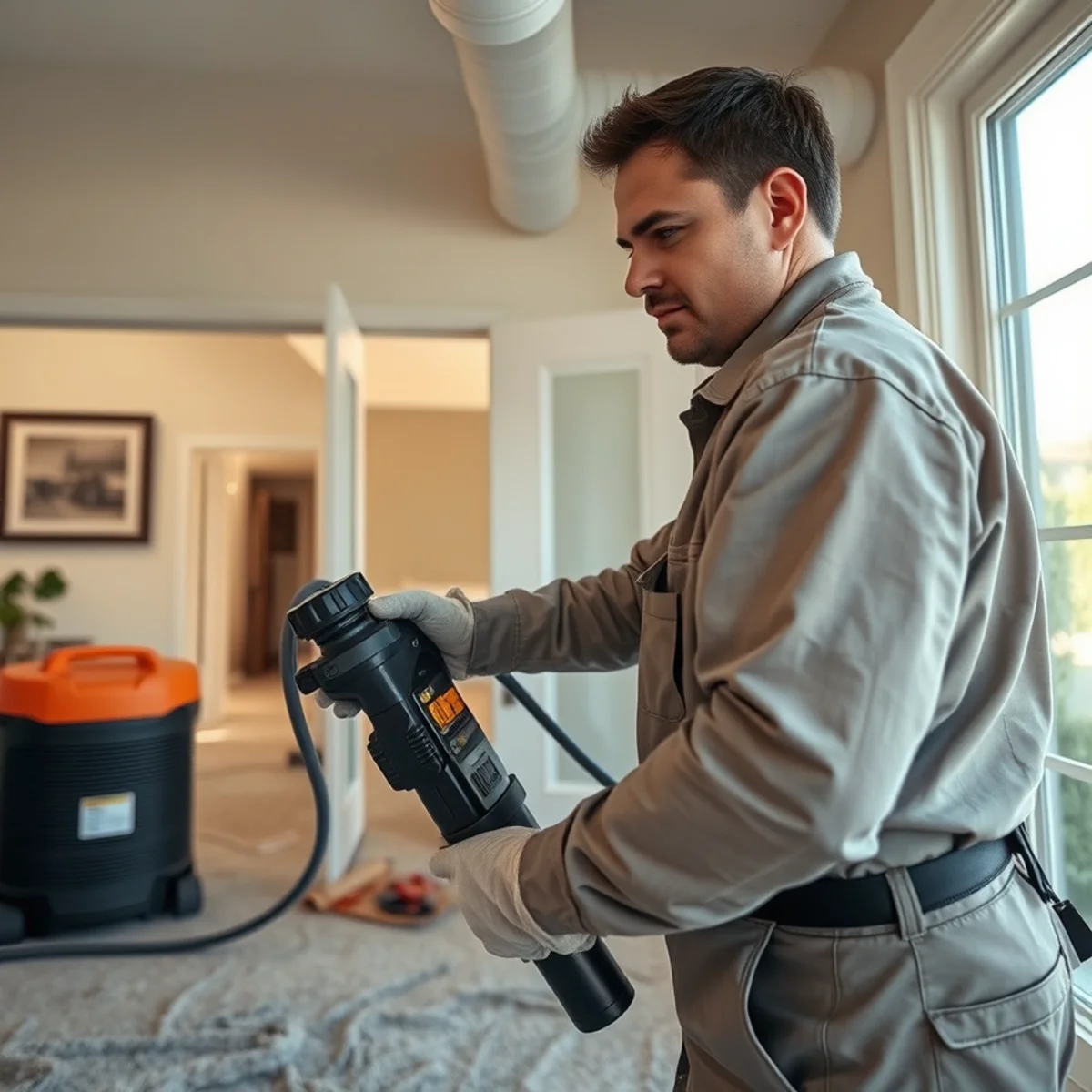
Structural Drying for Murrieta Homes
Murrieta's hot, dry summers can trick homeowners into thinking a wet floor dried on its own. It didn't — the surface dried while moisture stayed locked in the subfloor and behind the baseboards. We measure so you know for certain.
In older neighborhoods like Old Town Murrieta and Murrieta Oaks, original materials and tight wall cavities need patient, monitored drying. Newer tracts like Spencer's Crossing dry faster but still need verification before walls are closed back up.
Why Choose Restoration Murrieta for Structural Drying
Dried to a verified standard
We compare each wet material against a dry standard set from unaffected areas of your home, and pull equipment only when the numbers actually hit dry — not when a surface feels dry.
Daily moisture logs
Our IICRC S500-certified crews return every day, record psychrometric readings, and reposition equipment as zones dry down — the logs also document the job for your insurer.
Dry in place, demo less
Fast, monitored drying often saves drywall and flooring that would otherwise be torn out, which keeps both the disruption and the final bill down.
Local, around-the-clock response
Based on Jefferson Ave in central Murrieta, we answer 24/7 and reach most of the city within about an hour, so equipment starts running sooner.
Licensed, insured, direct-billing
We're fully licensed and insured, and we bill your insurance carrier directly where the policy allows, so you're not fronting the cost of the drying days.
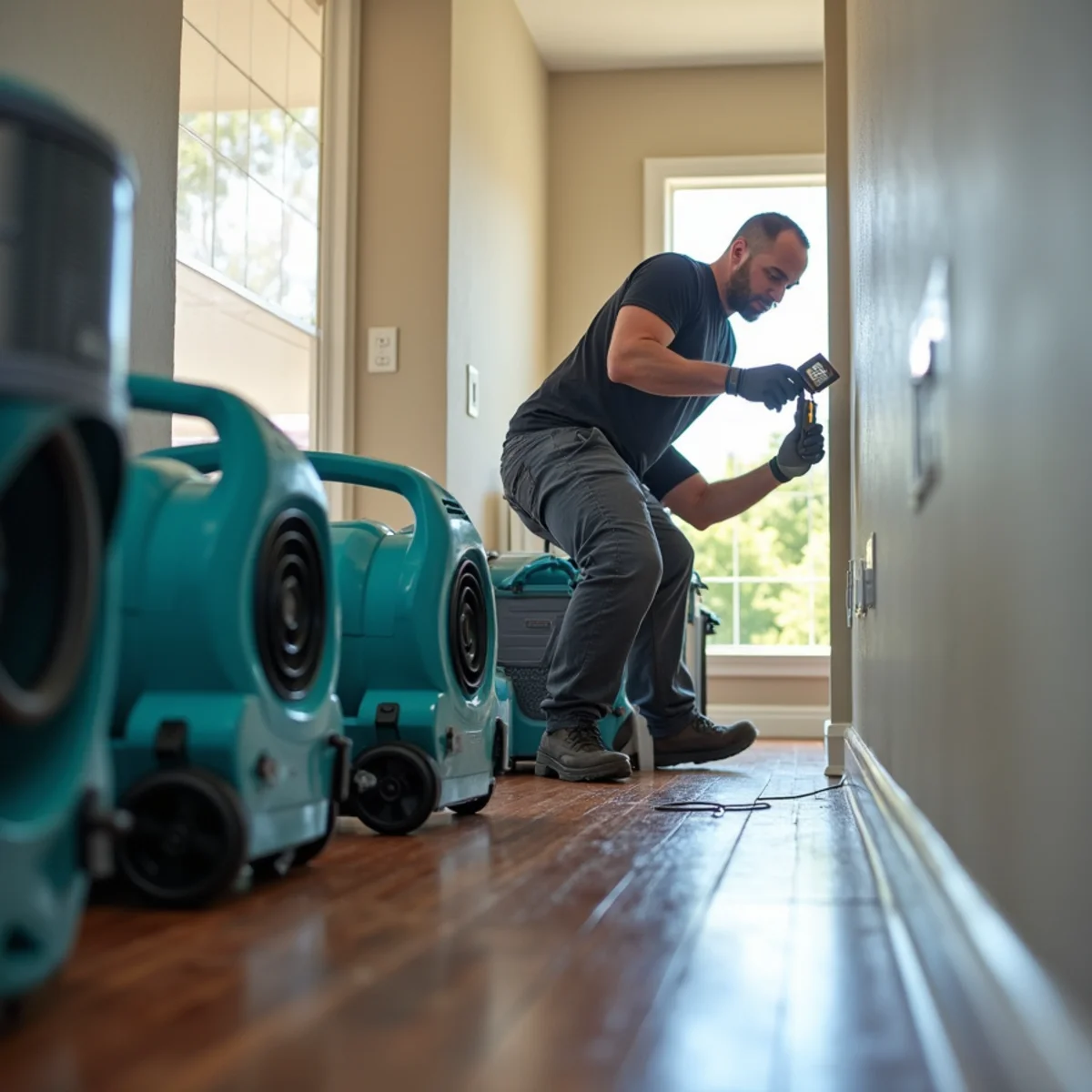
What It Costs — and How Insurance Works
Drying cost comes down to how much material got wet, how saturated it is, and how many days of equipment it takes to reach dry standard. You get a clear scope before we start.
- Square footage and number of wet materials
- Saturation level and water category
- Number of drying days required to hit target readings
- Specialty drying (hardwood floor mats, wall cavity injection)
- Amount of equipment needed to dry safely and on schedule
Typical water damage cost ranges (2026)
Cost tracks most with the water category and area affected. As a general reference:
| Category | Typical cause | Est. / sq ft |
|---|---|---|
| Clean water | Burst supply line, sink or appliance overflow | ~$3.50 / sq ft |
| Gray water | Washing machine, dishwasher, or sump failure | ~$5.25 / sq ft |
| Black water | Sewage backups and storm flooding | ~$7.50 / sq ft |
A general reference only; your structural drying job is quoted firmly after a free on-site inspection — no charge to come look.
Read the 2026 Murrieta cost guideHow insurance usually works
- Sudden, accidental damage — burst pipes, appliance failures, storm intrusion — is usually covered by California homeowners policies.
- Gradual, long-term leaks and poor maintenance typically aren't, which is why documenting the cause and timeline matters.
- Sewage backup often needs a separate endorsement that isn't included by default.
- We document the loss with photos and moisture logs and bill your carrier directly where your policy allows.
General information, not insurance advice — always check your own policy.
Does California insurance cover water damage?Where We Provide Structural Drying
We provide structural drying and dehumidification throughout Murrieta and the surrounding valley, matching the drying plan to the home. Newer tracts like Greer Ranch and Meadow Ridge tend to dry faster, while established homes in Cal Oaks have tighter wall cavities and original materials that need patient, monitored drying before they're closed back up. We bring the same daily-reading standard to Temecula and Menifee. Wherever you are, we don't guess from how a floor feels — we measure each material until it reaches a verified dry standard.
View all 60 service areasStructural Drying FAQs
Most residential jobs dry in 3–5 days, though heavily saturated or larger areas take longer. We monitor daily and only pull equipment once readings hit dry standard. More detail: structural drying timeline.
Please don't. Drying works because the air movers and dehumidifiers run continuously; shutting them off overnight can add a full day and invite mold.
Not always. If we start drying fast enough, much of it can be dried in place. Whether wet drywall stays or goes depends on the readings — see when wet drywall can be saved.
We compare each material against a dry standard set from unaffected areas of your home and document the final numbers — no guessing.
It depends on the square footage, how saturated the materials are, and the water category — IICRC S500 gives us a formula based on the affected space. We place enough to dry on schedule without overloading your electrical, then adjust the count daily as areas dry down.
Usually yes, though the air movers and dehumidifiers are loud and run continuously for several days. The exception is contaminated-water or larger jobs where we've sealed off rooms — we'll tell you upfront if any area needs to stay vacant while equipment runs.
Related Reading
How Long Does Structural Drying Take? A Room-by-Room Timeline
Most structural drying takes three to five days. Here's a realistic room-by-room timeline and what makes it faster or slower in Murrieta.
Why Your House Still Smells Musty After the Water "Dried"
A musty smell after a leak means moisture is still trapped somewhere. Where it hides, why it lingers, and how we track down the source.