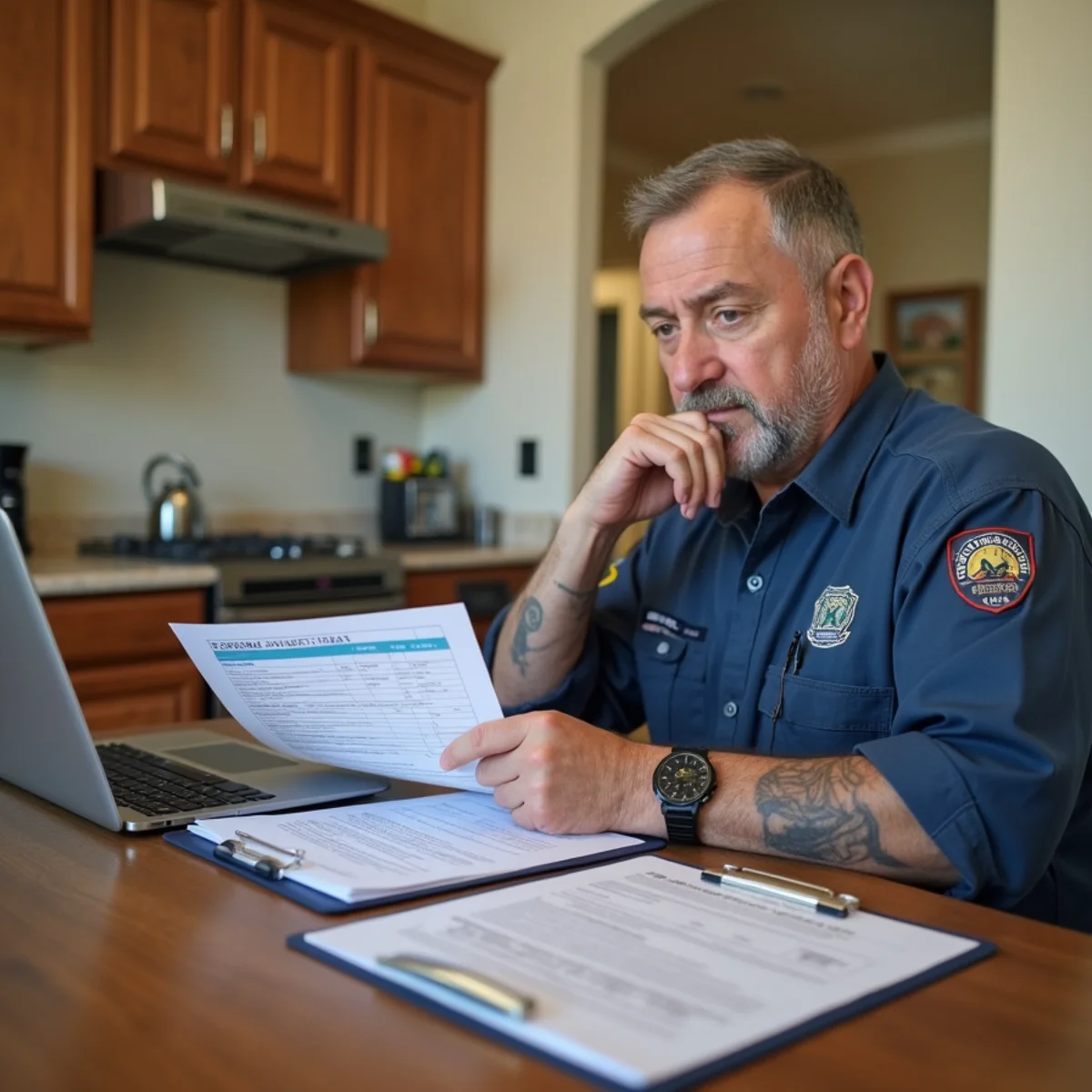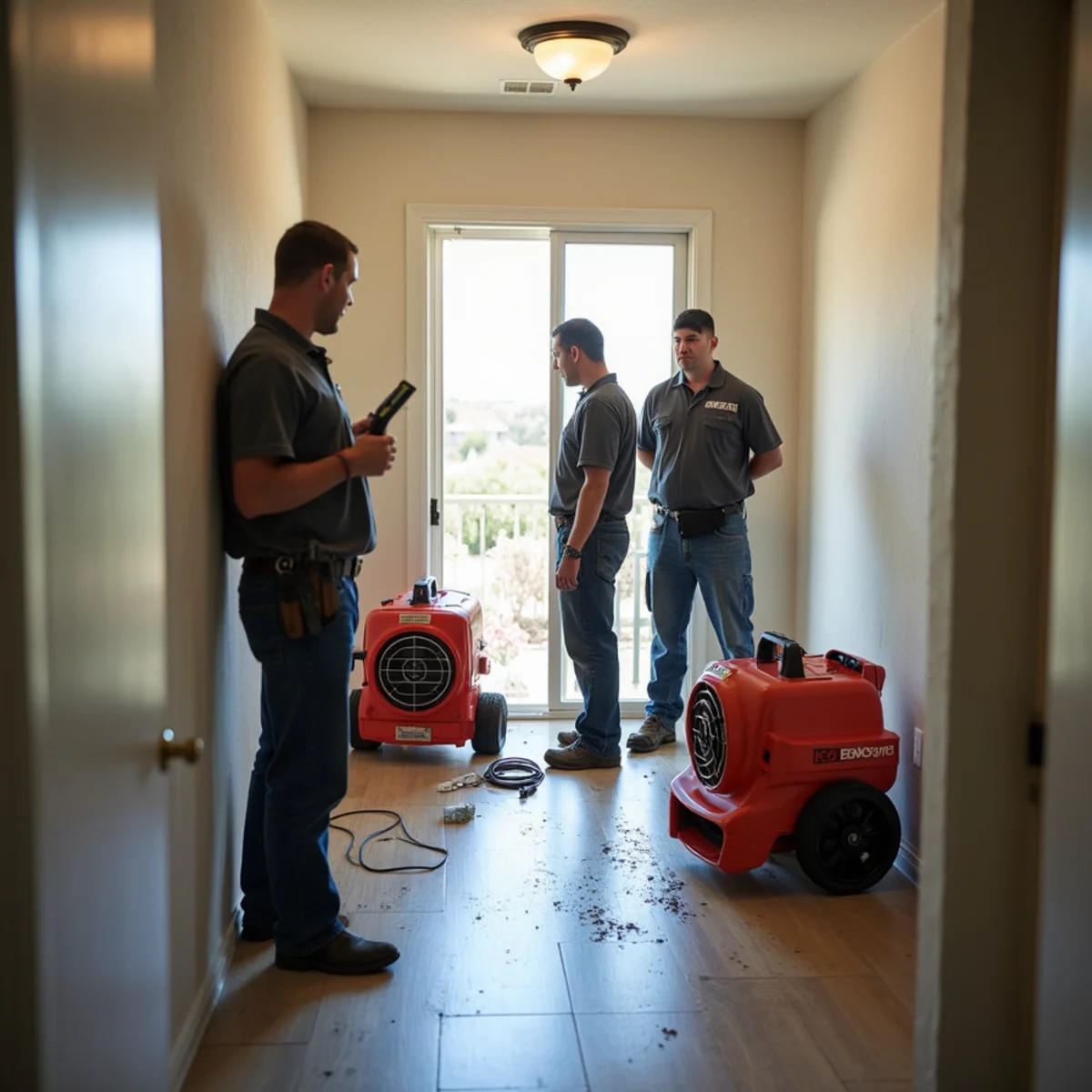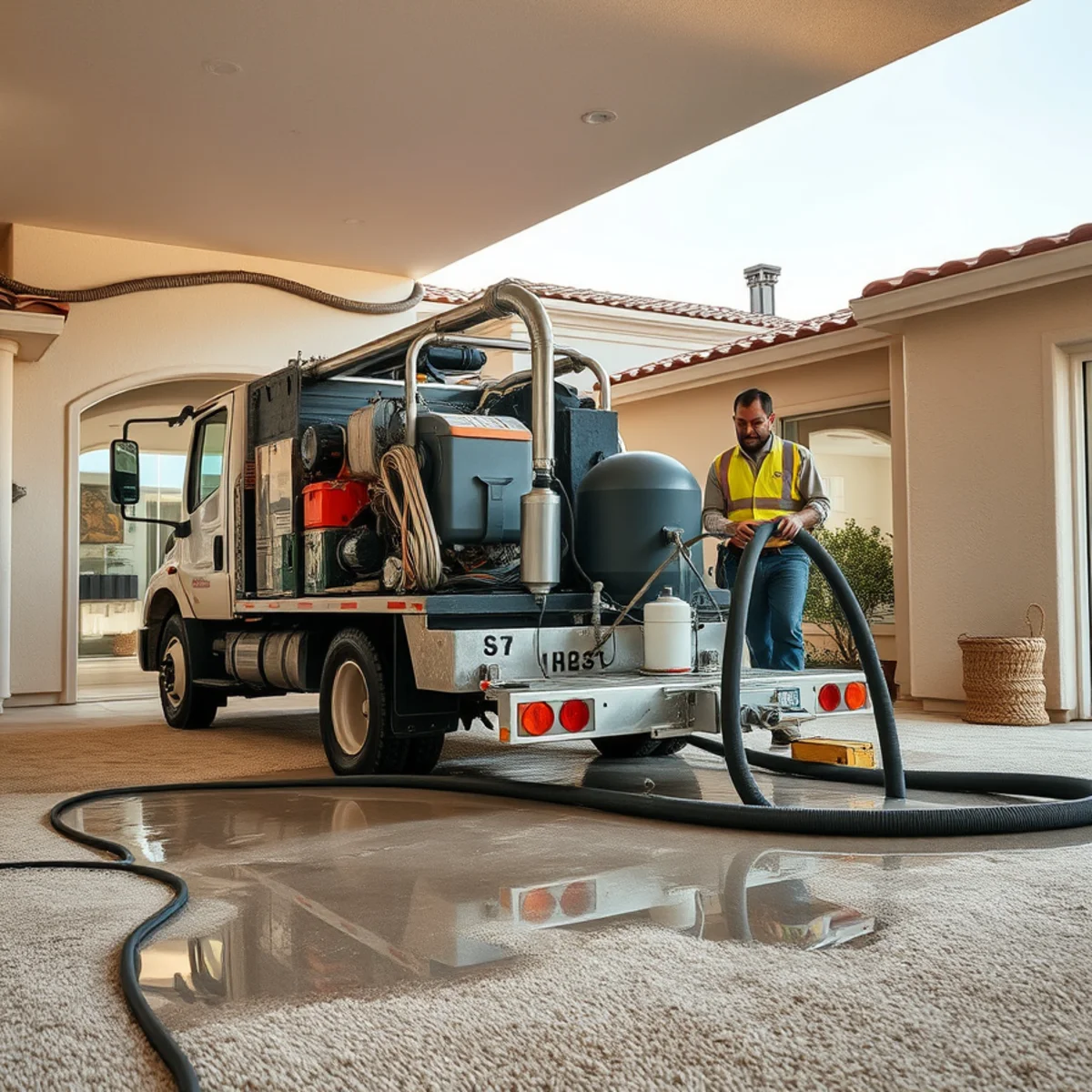
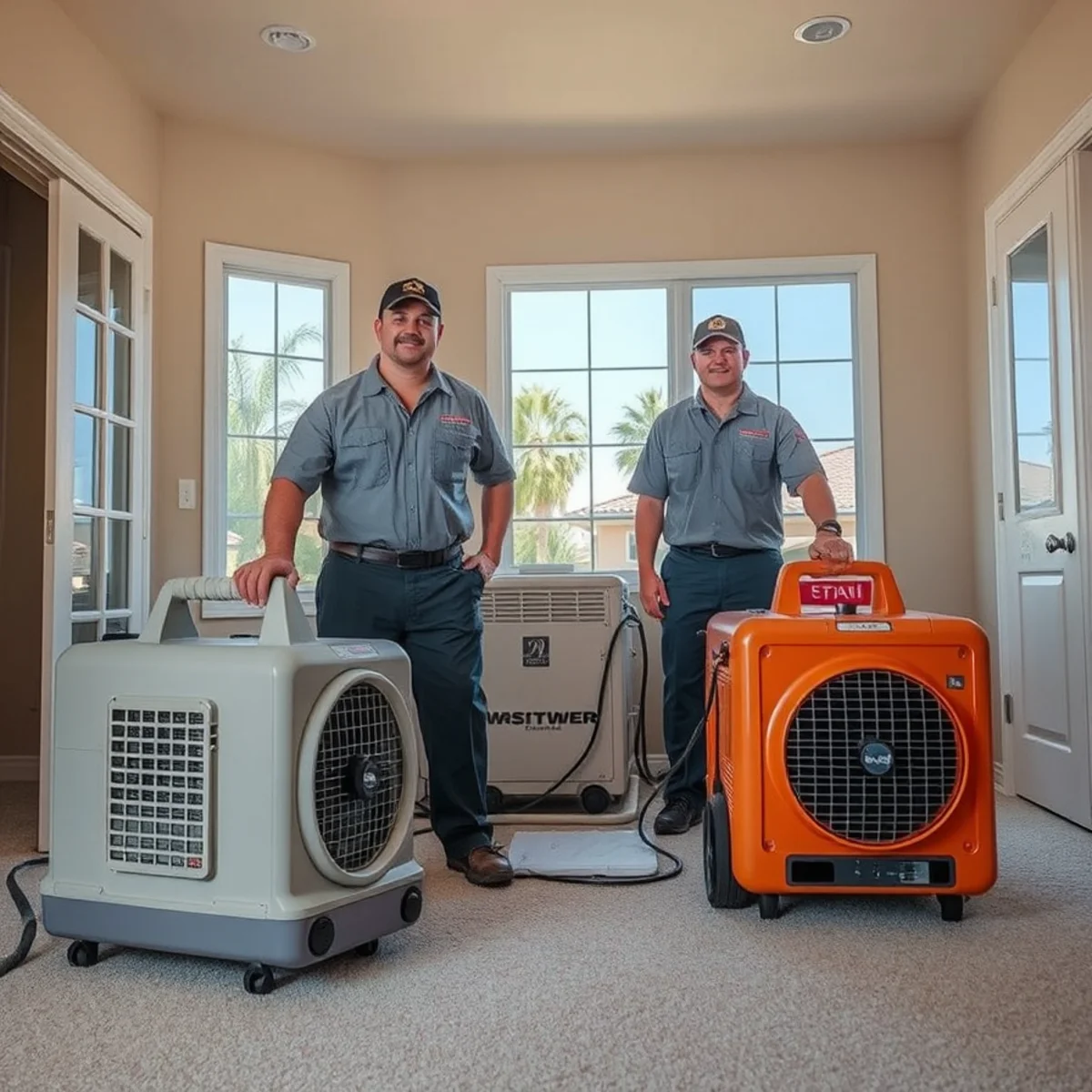
Once the standing water is gone and the equipment is running, the question every homeowner asks is: how long until this is over and I can put my house back together? The honest answer is usually three to five days for structural drying, but that range hides a lot. A small clean-water spill on tile can be dry in a day or two. A slab-on-grade living room where water wicked into walls and hardwood can take a week or more. Here is how we think about the timeline, room by room, so you know what to expect.
The honest answer: usually three to five days
For most residential water losses we see, the structure is dry in three to five days of active drying. That assumes we started quickly, extracted thoroughly, and set the right number of air movers and dehumidifiers for the space. Drying is not a fixed clock, though. It is a process we measure every day and stop when the materials hit their target, not when a calendar day passes.
What 'dry' actually means
Drying is done when the wet materials read the same as a dry reference, an unaffected area of the same material elsewhere in the home. We call that the dry standard. If the baseboards in a dry bedroom read a certain moisture content, the wet baseboards need to reach that same number before we pull equipment. This is why we do not simply run fans for a set number of days. We chase a measurable target and prove we hit it.
The four classes of water damage
How long drying takes depends heavily on the class, which describes how much material is wet and how hard it is to dry:
- Class 1: the least water. A small area, low-porosity materials like tile or sealed concrete, minimal wet drywall. Often dries in one to three days.
- Class 2: a larger area with carpet, pad, and moisture wicked up walls less than two feet. A common living-room or bedroom flood. Typically three to five days.
- Class 3: water that came from above and soaked ceilings, walls, and insulation, or a whole room. Often five days or more.
- Class 4: specialty drying of materials that hold water stubbornly, like hardwood, plaster, or concrete slab. These can take a week or more and sometimes need specialty equipment.
Class is not the same as category
Class describes how much material is wet and how hard it is to dry. Category (1, 2, or 3) describes how contaminated the water is. A job can be a small area (low class) but very dirty (high category), and both affect the plan.
A room-by-room look
Bathroom or laundry room on tile
If the water stayed on top of tile and got extracted quickly, these small, low-porosity rooms often dry in one to three days. The watch-outs are water that crept under the tile through grout lines or into the wall behind the vanity, and the toe-kick under cabinets, which traps moisture and needs air directed into it.
Bedroom or living room with carpet
A carpeted room where we extracted the pad and the walls wicked a bit of moisture is a classic three-to-five-day job. Air movers ring the room to lift moisture off the carpet and walls, and the dehumidifier pulls it out of the air. Baseboards and the bottom foot of drywall are the slow spots we monitor.
Kitchen with cabinets
Kitchens run longer than they look because water hides under and behind cabinets and under the flooring. Cabinet boxes, especially particleboard, dry slowly, and we often drill discreet holes to move air into sealed spaces. Plan for four to six days when cabinets are involved.
Any room with hardwood
Solid hardwood is the patience test. It cups and holds water, and forcing it to dry too fast cracks it. We use specialty mat systems and controlled dehumidification, and it commonly takes a week or more. Rushing hardwood is how you turn a drying job into a replacement job.
Water damage right now? Don't wait.
45-minute average dispatch across Murrieta • available 24/7 • licensed & insured
What speeds drying up, and what slows it down
The single biggest factor is how fast we start. Water removed the same day dries far faster than water that sat for two days soaking into everything it touched. Thorough water extraction up front shortens everything after it. Murrieta's hot, dry summer air helps too, because the outdoor humidity is low. What slows us down: dense materials like plaster and hardwood, water trapped in wall cavities and under cabinets, cold weather, and a closed-up house where humidity has nowhere to go. That last one is why a dehumidifier matters even here. Full structural drying pulls the water out of the building instead of letting it move to the next room.
Why we monitor every day
Every day we are on a job, we take fresh moisture readings, check the equipment, and adjust. Sometimes we move air movers as one area catches up. Sometimes we add a dehumidifier because the air is holding too much moisture. This daily monitoring is what keeps a three-to-five-day job from quietly becoming a two-week mold problem. Homeowners in Fallbrook and Winchester get the same documented, measured approach, and the equipment comes out the moment the numbers say the structure is dry, not before and not after.
There are a few things you can do to help the timeline. Leave the equipment running around the clock, keep windows and exterior doors closed so the dehumidifier is working against your indoor air and not the whole outdoors, and keep interior doors positioned the way we set them so the airflow reaches every wet spot. If you notice a machine has tripped a breaker or a hose has filled, let us know right away, a dehumidifier that quietly shut off overnight can cost you a full day. Small cooperation on your end keeps the job on schedule.
Frequently Asked Questions
Please do not. Drying works because air movers and the dehumidifier run continuously. Shutting them off overnight stalls progress and lets humidity climb back into materials, which can add days to the job. The equipment is sized to run around the clock.
Different class and materials. A clean spill on tile dries in a day or two, while a room with hardwood, wet insulation, or cabinets can take a week. The amount of water, how long it sat, and what it soaked into all change the timeline.
Dry outdoor air helps, but a closed room with wet materials still fills with humidity that has to be removed, or it just migrates into other walls and floors. A dehumidifier pulls that moisture out of the building, which is why we run one on nearly every job.
We compare the wet materials to a dry reference reading elsewhere in your home. When the previously wet areas match that dry standard, drying is complete. We document those readings so you and your adjuster can see the structure reached its target.
Written & reviewed by the Water Damage Restoration Murrieta team
IICRC-certified, licensed & insured water damage restoration professionals serving Murrieta and southwest Riverside County. Questions about your situation? Call (201) 277-9344 — we answer 24/7.
Serving these areas: