
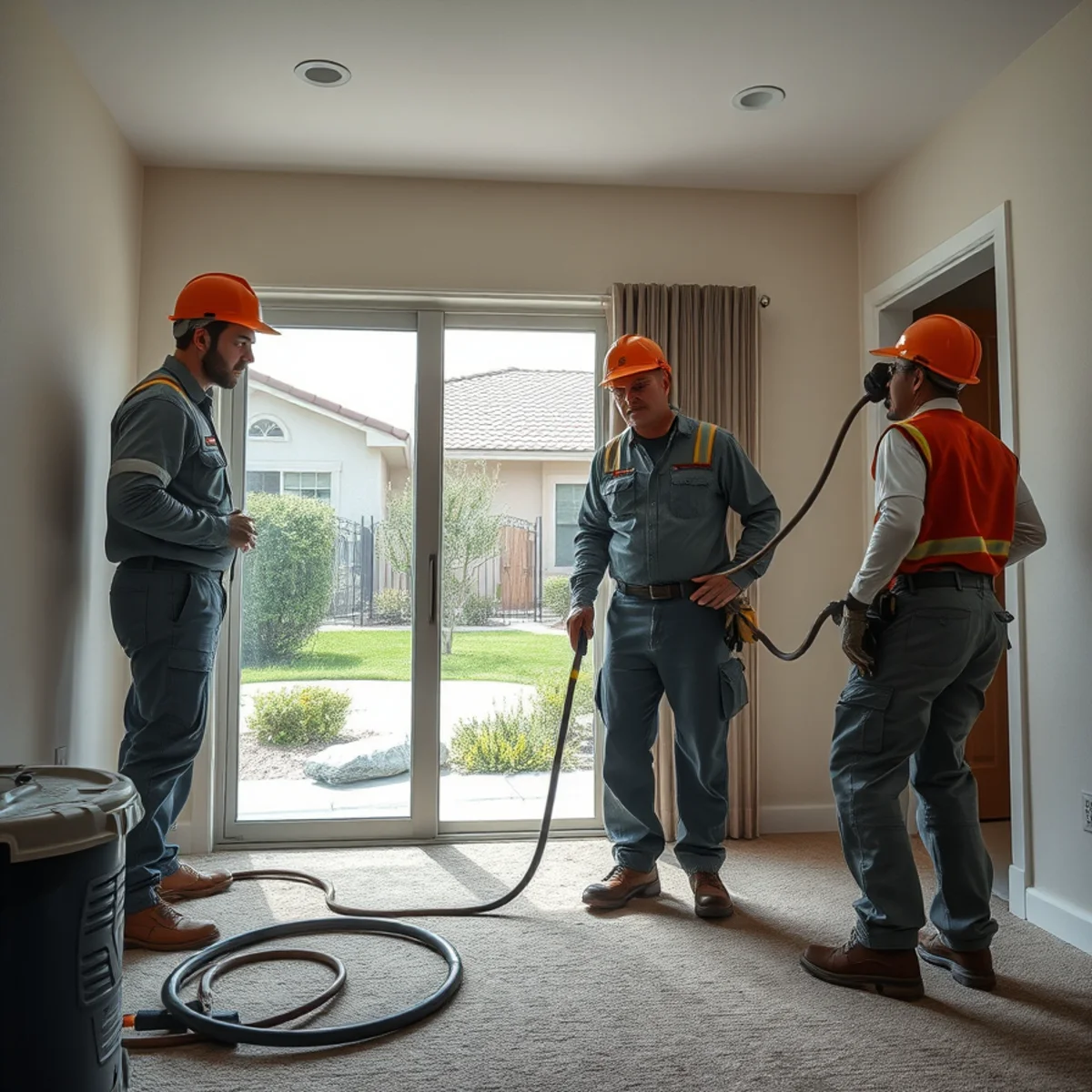
Mold remediation in Murrieta is the safe removal of mold growth after a leak — and the correction of the moisture feeding it. We contain the area, remove affected materials under HEPA filtration, treat what stays, and fix the water source so the mold doesn't simply grow back.
Mold is almost always a symptom of a water problem that wasn't dried fast or completely enough. Left alone after a leak, mold can start within 24–48 hours and spread through drywall, insulation, and framing — and disturbing it the wrong way sends spores through the whole house.
We remediate mold the right way: contain the area so spores don't spread, remove affected materials under HEPA filtration, clean and treat what stays, and — most importantly — find and fix the moisture source so the mold doesn't simply grow back. That last step is what separates real remediation from a cosmetic wipe-down.
If you can see or smell mold after water damage, call our team for an inspection before it spreads further.
Signs you need mold remediation
Visible growth after a leak
Black, green, or white patches on walls, ceilings, or baseboards where water sat.
Persistent musty smell
A musty odor is often the first sign — why it lingers.
Water damage that dried slowly
Any leak that wasn't dried within a day or two of happening.
Not sure if it's mold or mildew
Telling them apart matters — black mold vs. mildew.
Our Process
- 1
Inspection & moisture source
Day 1We identify the extent of the mold and, critically, the moisture source feeding it.
- 2
Containment
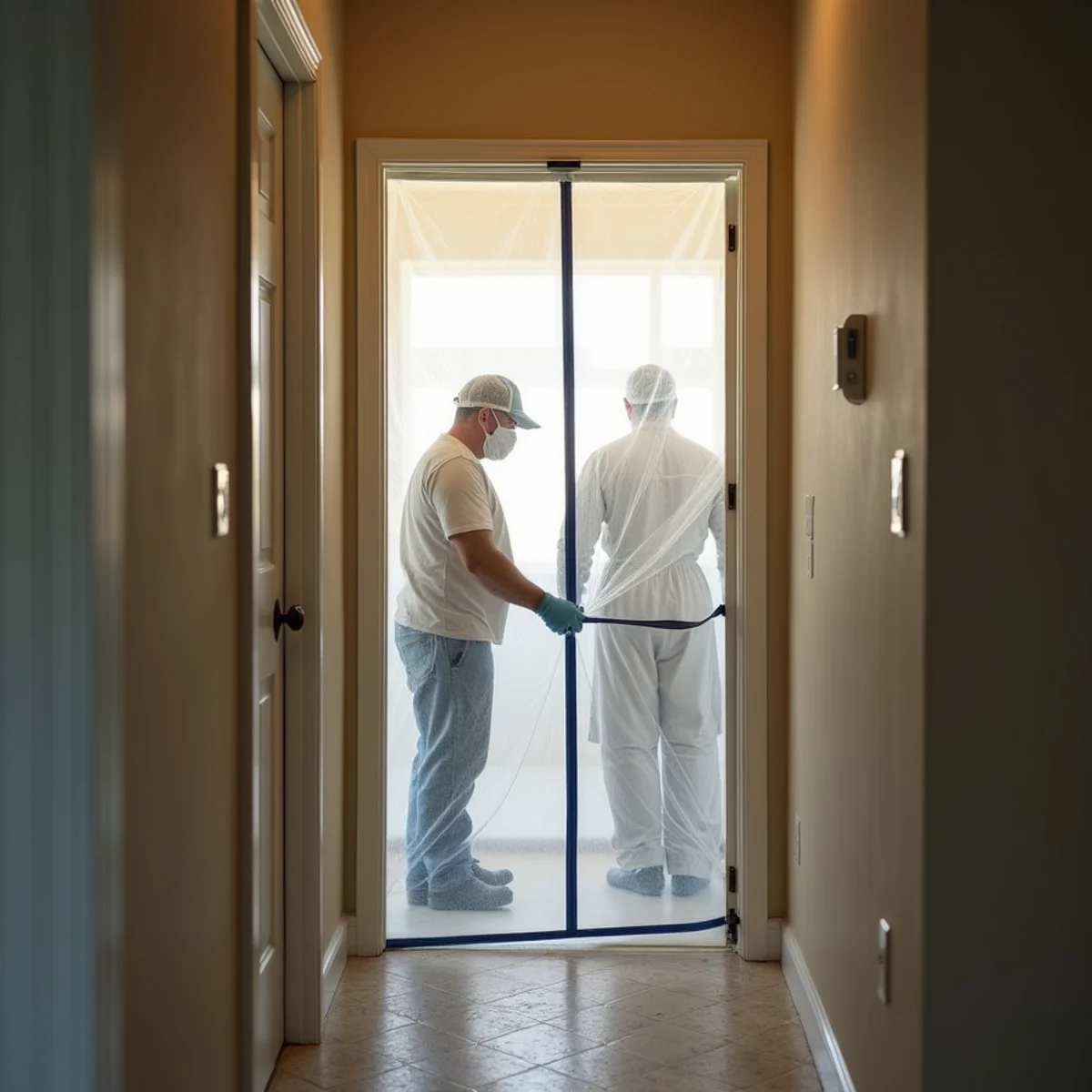
Day 1We seal off the work area with barriers and negative air pressure so spores can't spread during removal.
- 3
HEPA removal
1–2 daysAffected porous materials are removed and bagged; HEPA air scrubbers filter the air throughout.
- 4
Clean & treat
1 dayRemaining surfaces are HEPA-vacuumed, cleaned, and treated with antimicrobial products.
- 5
Fix the source & dry
OngoingWe correct the moisture source and verify the area is dry so mold can't return.
What's Included
- Mold inspection and moisture-source diagnosis
- Containment with negative-air pressure
- HEPA-filtered removal of affected materials
- Antimicrobial cleaning and treatment
- Air scrubbing throughout the work
- Moisture-source correction and dry verification
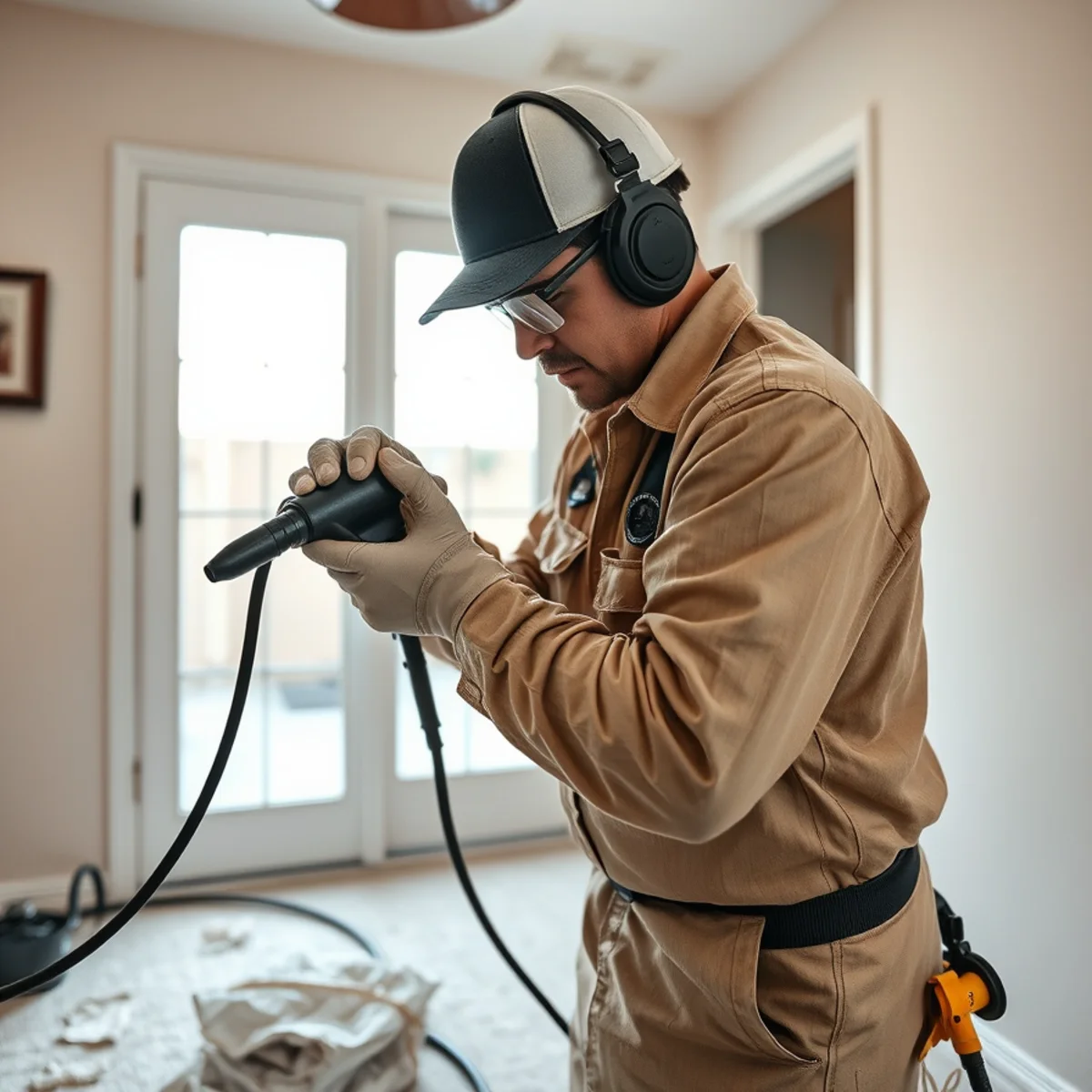
Mold Remediation for Murrieta Homes
Murrieta's dry climate lulls homeowners into thinking mold isn't a risk — but it's the trapped moisture inside walls after a leak, not the outdoor humidity, that grows mold. We see it most where a slow leak went unnoticed. Learn the factors that drive mold remediation cost in Inland Empire homes.
From hillside homes in Clarendon Hills to established tracts in Alta Murrieta, the pattern is the same: fix the water fast and you avoid mold entirely. When you can't, we handle it safely. Prevention starts with fast structural drying.
Why Choose Restoration Murrieta for Mold Remediation
We fix the moisture source
Mold is a water problem first. We find and correct what's feeding it and verify the area is dry, so it can't simply grow back after we leave.
Containment before removal
We seal the work area with barriers and negative air pressure, so disturbing the mold doesn't send spores drifting through the rest of the house.
HEPA filtration throughout
Affected porous materials come out under HEPA-filtered air scrubbing, and remaining surfaces are HEPA-vacuumed and treated with antimicrobial — not just painted over to hide it.
IICRC-certified, licensed, insured
Our technicians are IICRC-certified and the company is fully licensed and insured, so the remediation follows a real standard and you're protected throughout.
Local inspection, honest scope
We're based in central Murrieta and inspect first — a small surface spot gets an honest answer, not an oversold containment job you don't need.
What It Costs — and How Insurance Works
Mold remediation cost depends on how much material is affected, where it is (a wall cavity vs. an attic), how much containment is required, and what's driving the moisture. We inspect first, then quote.
- Size of the affected area and materials involved
- Location and accessibility (wall cavity, attic, crawl space)
- Level of containment and air filtration required
- The underlying moisture source that must be corrected
- Reconstruction after removal
Typical water damage cost ranges (2026)
Cost tracks most with the water category and area affected. As a general reference:
| Category | Typical cause | Est. / sq ft |
|---|---|---|
| Clean water | Burst supply line, sink or appliance overflow | ~$3.50 / sq ft |
| Gray water | Washing machine, dishwasher, or sump failure | ~$5.25 / sq ft |
| Black water | Sewage backups and storm flooding | ~$7.50 / sq ft |
A general reference only; your mold remediation job is quoted firmly after a free on-site inspection — no charge to come look.
Read the 2026 Murrieta cost guideHow insurance usually works
- Sudden, accidental damage — burst pipes, appliance failures, storm intrusion — is usually covered by California homeowners policies.
- Gradual, long-term leaks and poor maintenance typically aren't, which is why documenting the cause and timeline matters.
- Sewage backup often needs a separate endorsement that isn't included by default.
- We document the loss with photos and moisture logs and bill your carrier directly where your policy allows.
General information, not insurance advice — always check your own policy.
Does California insurance cover water damage?Where We Provide Mold Remediation
We handle mold remediation throughout Murrieta, and the pattern is consistent: it's the moisture trapped inside walls after a slow or hidden leak — not the dry outdoor air — that grows mold here. We see it in every kind of home, from the established tracts of The Colony and Mapleton to hillside lots in Kalmia Hills where a leak went unnoticed for weeks. We contain, remove, and correct the source the same way in Lake Elsinore and Canyon Lake. Catch the water fast with structural drying and you can avoid remediation entirely.
View all 60 service areasMold Remediation FAQs
A small surface spot (under about 10 sq ft) on a hard surface can sometimes be cleaned yourself. Anything larger, inside walls, or after significant water damage needs containment so you don't spread spores through the house.
We inspect and can arrange third-party testing when it's warranted. For most water-damage-related mold, the visible extent plus moisture readings guide the scope.
By fixing the moisture source and verifying the area is dry. Mold can't grow without moisture — that's why we don't consider a job done until the source is corrected.
Any significant indoor mold should be removed properly, and some people are more sensitive than others. The safe approach is the same: contain, remove, and fix the moisture. See black mold vs. mildew.
Most residential jobs run a few days — a day to set containment and remove affected materials, a day to clean and treat, plus drying time to correct the moisture source. Larger areas or mold inside wall cavities and attics take longer. We give a timeline after inspecting.
Usually not for a contained, localized job — sealing the work area with negative air pressure is what keeps the rest of the house usable. For widespread mold or work in central living areas, we may recommend staying elsewhere for a day or two, and we'll tell you upfront.
Related Reading
How Fast Does Mold Grow After a Leak? Inside the 24–48 Hour Window
Mold can start within 24 to 48 hours of a leak, even in dry Murrieta. Why the clock matters and how fast drying beats it.
Black Mold vs. Mildew: How to Tell the Difference and When to Call a Pro
Mildew is a surface problem; "black mold" grows into materials. How to tell them apart, what's actually risky, and when to call a pro.