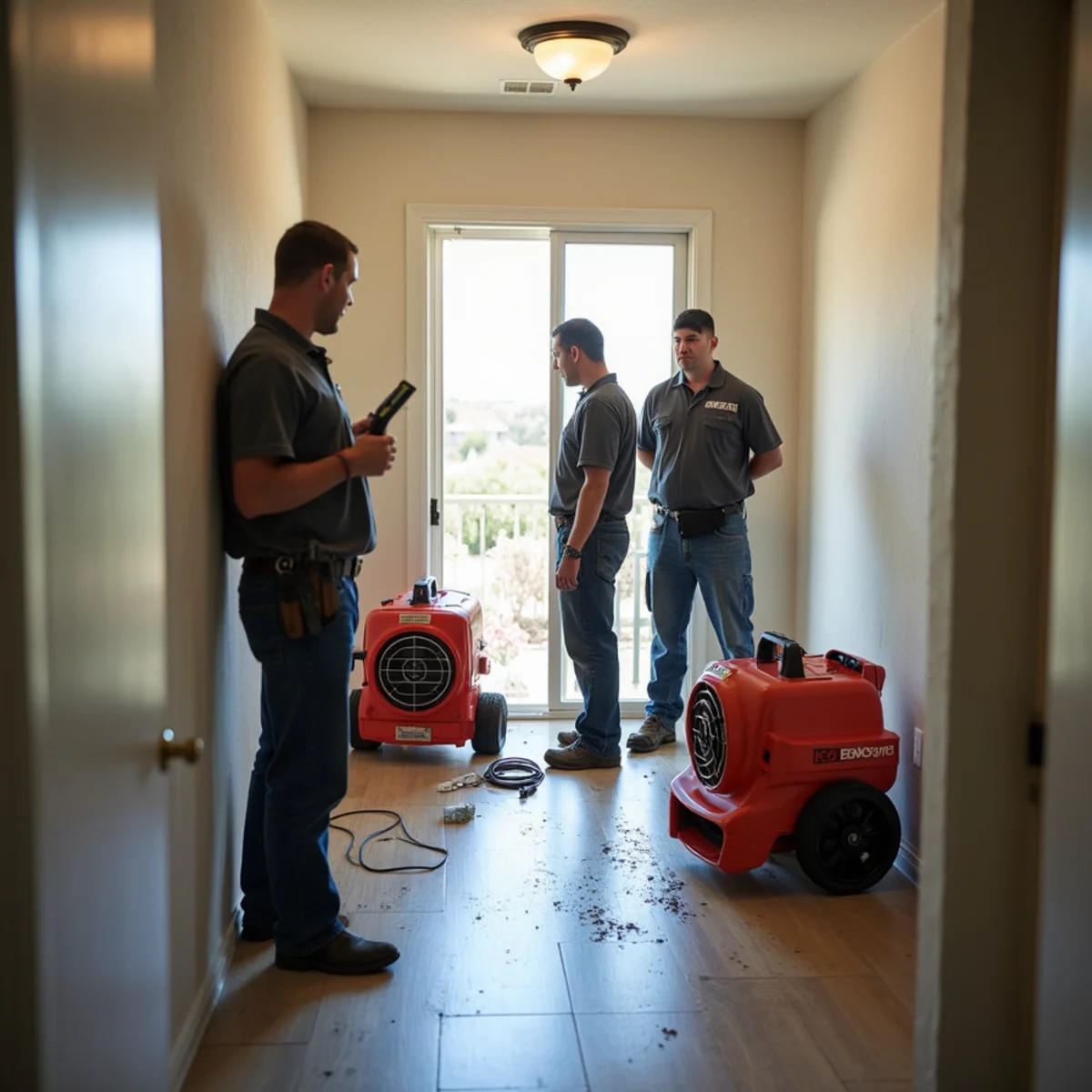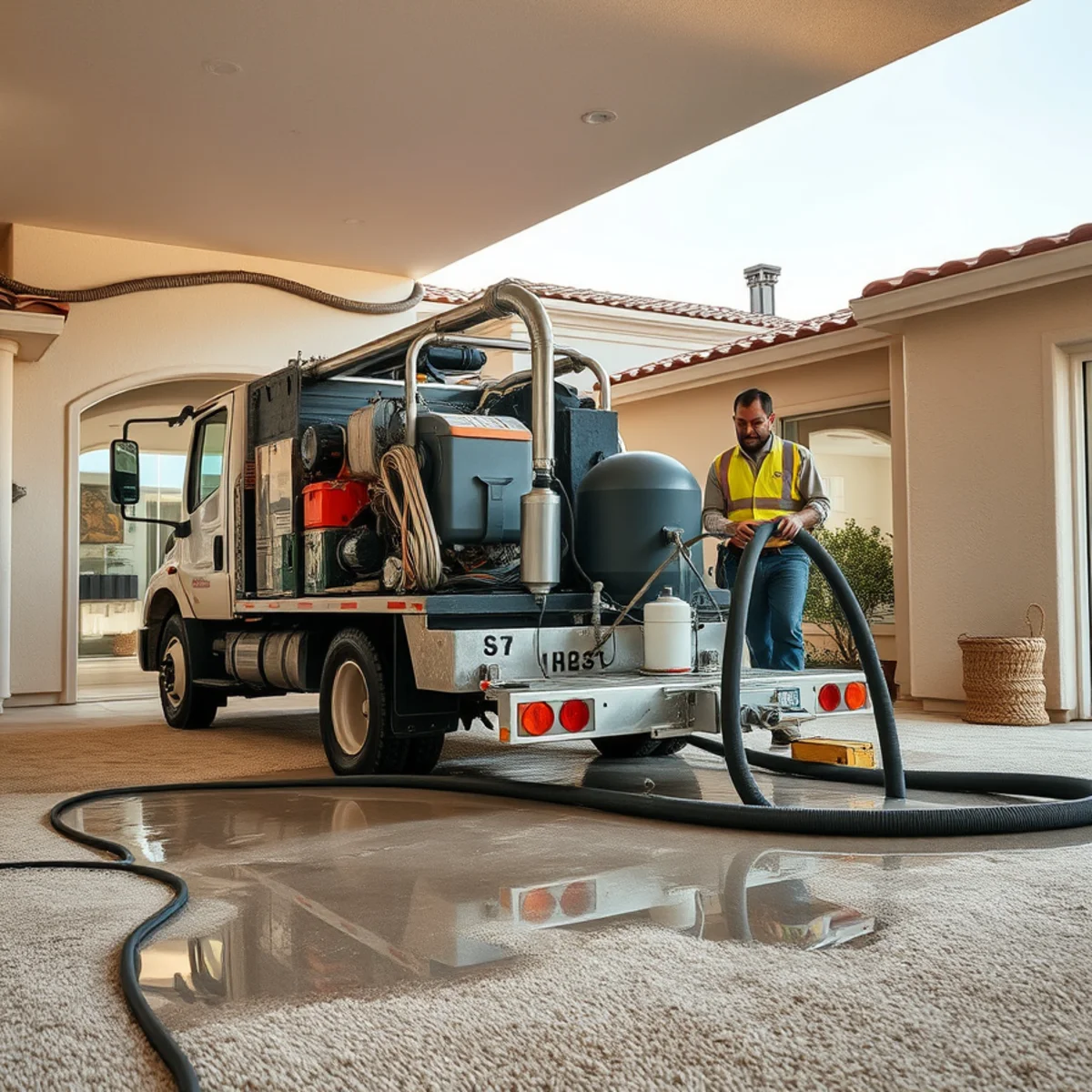
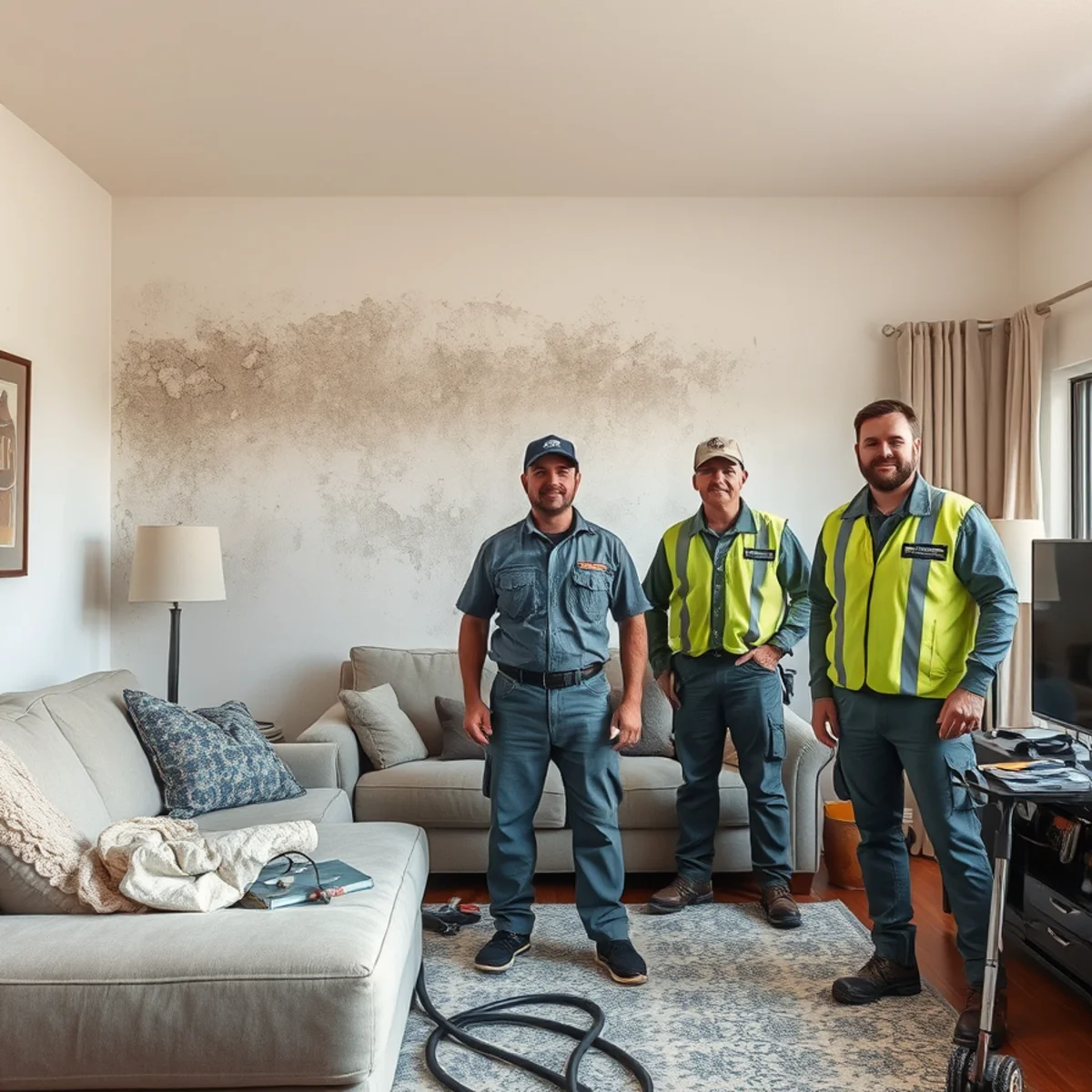
When water gets into your home, you are not just racing to clean up a mess, you are racing a clock. Mold does not need weeks to take hold. Under the right conditions it can begin within 24 to 48 hours of materials getting wet, and once it starts, it spreads on its own. Understanding that window is the difference between a drying job and a mold-remediation job. This is why restoration crews move fast, and why we tell homeowners the most valuable thing they can do after a leak is call quickly.
The 24 to 48 hour window
That 24-to-48-hour figure is not marketing, it is how quickly mold spores can begin colonizing a damp surface when conditions are favorable. In the first day, spores that are already present in every home settle onto wet material and start to germinate. By the second day, visible or hidden growth can be underway. It does not happen everywhere at once, and cooler or dryer spots buy a little more time, but the window is short enough that treating a leak as a same-day problem is simply the safe assumption.
It helps to think of the window as a countdown that starts the moment materials get wet, not the moment you notice. If a pipe leaked overnight before you found it in the morning, hours are already off the clock. That is why we do not tell homeowners to wait and watch, by the time growth is visible, the early part of the window is usually spent. The safe move is to treat every fresh water intrusion as if the clock is already running, because it is.
What mold needs to grow
Mold needs three things, and after a leak your home hands it all three:
- Moisture, the one variable you can actually control. Remove it fast enough and the other two do not matter.
- Food, which for mold means ordinary building materials, drywall paper, wood, dust, carpet, and the glues and paper facings on almost everything.
- The right temperature, and comfortable indoor temperatures are right in mold's preferred range.
Notice that spores themselves are not on the list of things you can eliminate, they are already in the air, everywhere, all the time. That is the key insight: you cannot get rid of spores, so the entire strategy is to deny them moisture. Take the water away inside the window and the growth never starts.
Why dry Murrieta isn't immune
People assume our hot, dry climate protects them from mold, and the outdoor air does help. But mold does not grow in your yard, it grows inside your walls, and the microclimate behind wet drywall or under a soaked carpet pad is warm, dark, and humid no matter what the weather is doing outside. A saturated wall cavity holds its own moisture for days. That is why we see mold after leaks in Murrieta homes just as we would anywhere, the dry air outside never reaches the wet pocket where it matters.
"It dried on its own" is the risky assumption
A surface that feels dry can hide a wall cavity or subfloor that is still wet, and that is exactly where mold starts. Feeling the surface is not the same as measuring the material. The only way to know it is truly dry is a moisture reading.
Where it starts, usually out of sight
Mold rarely appears first where you can see it. It starts in the hidden, slow-drying spots: the back of drywall, inside wall cavities on wet insulation, under carpet pad, beneath vinyl and laminate flooring, and in the framing that sits on the slab. By the time a stain or a musty smell reaches the visible surface, growth has usually been underway behind it for a while. If your home still smells musty after a leak, that odor is often the first sign of hidden growth, and our guide on why a house still smells musty after the water dried explains where to look.
Water damage right now? Don't wait.
45-minute average dispatch across Murrieta • available 24/7 • licensed & insured
Why speed beats everything
Because the window is measured in hours, the single most effective mold-prevention step is fast, thorough water removal followed immediately by drying. Get the standing water out with proper water extraction, then run structural drying with air movers and a dehumidifier to pull moisture out of the materials and the air before mold can establish. Done inside the window, this is straightforward. Done a week later, you are often paying for drying and remediation both. Speed is not about heroics, it is about arriving before the clock runs out.
Prevention costs far less than remediation
There is a real financial reason the window matters, not just a health one. Acting inside the 24-to-48-hour window usually means a straightforward drying job, extract the water, run equipment, verify it is dry. Miss the window and you are often paying twice: once to dry the structure and again to remediate the mold that grew while it sat. Remediation adds containment, removal of colonized materials, cleaning, and sometimes rebuilding, all of which cost more than the drying would have. In other words, the fastest call is almost always the cheapest one, and waiting to see if it dries on its own is the expensive gamble.
What we do inside the window
On a fast call, our crew extracts the water, takes moisture readings to find every wet pocket, and sets a drying plan aimed at the dry standard, the same moisture reading as unaffected material elsewhere in your home. We monitor daily until the structure hits that target. If growth has already begun because the leak sat, we contain the area and handle it with proper mold remediation so spores are not spread through the house. We help homeowners across Old Town Murrieta and Wildomar beat this clock, and the pattern is always the same, the sooner we start, the smaller the job stays. If your home just took on water, call our 24/7 team and we will get the drying started while the window is still open.
Frequently Asked Questions
Under favorable conditions, mold can begin colonizing wet materials within 24 to 48 hours. It does not appear everywhere at once, and cooler or dryer spots take longer, but treating a leak as a same-day drying priority is the safe assumption in almost every case.
Not necessarily. Surface fans dry what they can reach, but mold usually starts in hidden, slow-drying spots like wall cavities, insulation, and subfloors. If those stay wet, growth continues out of sight. Only a moisture reading confirms the material itself is dry.
No. Mold grows inside walls and under floors, where the microclimate stays warm and humid regardless of the dry air outside. A saturated wall cavity holds moisture for days, so leaks in our area cause mold just as they would anywhere if the water is not removed quickly.
Remove the water and dry the materials fast, ideally within the first 24 to 48 hours. That means thorough extraction, then air movers and a dehumidifier running until moisture readings hit the dry standard. Denying mold the moisture it needs is the whole strategy.
Written & reviewed by the Water Damage Restoration Murrieta team
IICRC-certified, licensed & insured water damage restoration professionals serving Murrieta and southwest Riverside County. Questions about your situation? Call (201) 277-9344 — we answer 24/7.
Serving these areas: