When water damage hits, most homeowners have never been through a restoration before, and the uncertainty is its own kind of stress. Knowing what happens next — and roughly how long it takes — makes the whole thing easier to manage. Here is the path a typical Murrieta water damage job follows, from the first call to the last repair.
Step 1 — The emergency call and dispatch
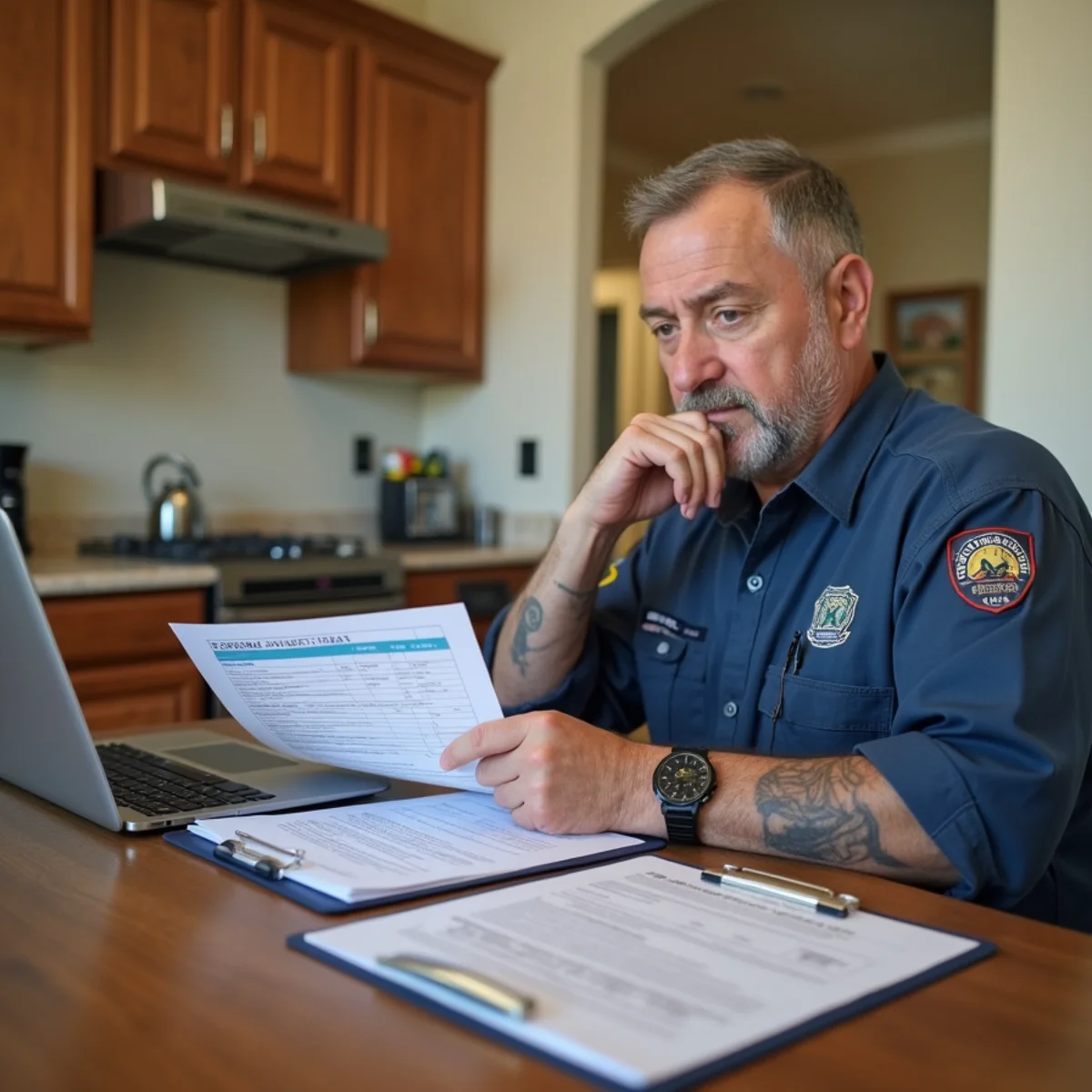
Restoration starts the moment you call. A real dispatcher takes the details — where the water is coming from, how much, and whether it's clean, gray, or sewage — and sends a crew. Have your address, a description of the source, and your insurance information ready if you can. Around Murrieta, emergency crews run 24/7, because the clock on mold and structural damage starts immediately.
What you can do before the crew arrives
If it's safe, stop the water at the source or the main shut-off valve, move valuables off the wet floor, and keep people and pets away from standing water near outlets. Don't run a household vacuum over standing water.
Step 2 — Inspection and assessment
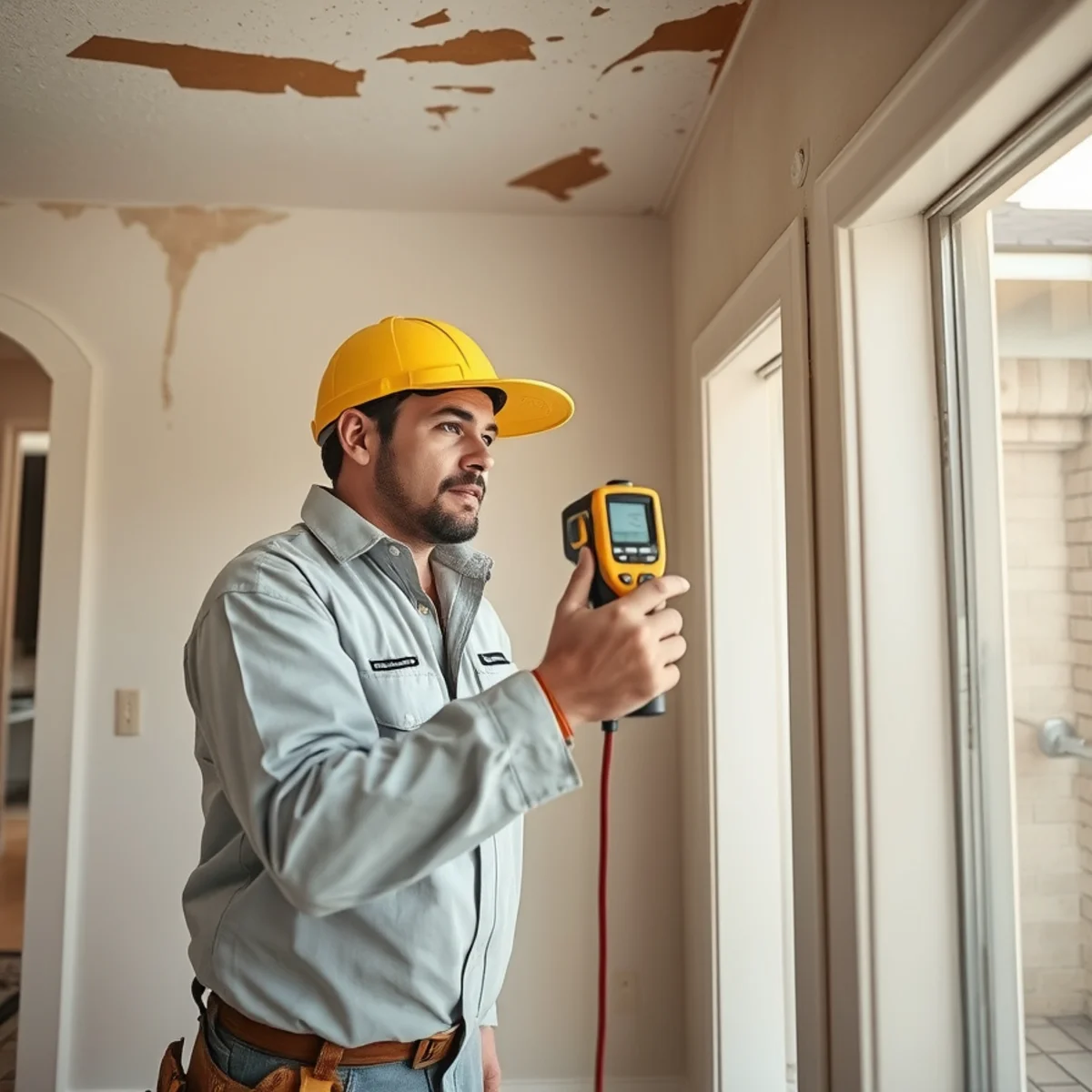
The first thing a good crew does on site is read the water, not just look at it. Moisture meters and thermal cameras map how far it has traveled — behind baseboards, under flooring, up drywall — because wet materials often look dry. They also classify the water by category, which decides what can be saved. Our guide to the three water categories explains why that classification changes everything.
Step 3 — Water extraction
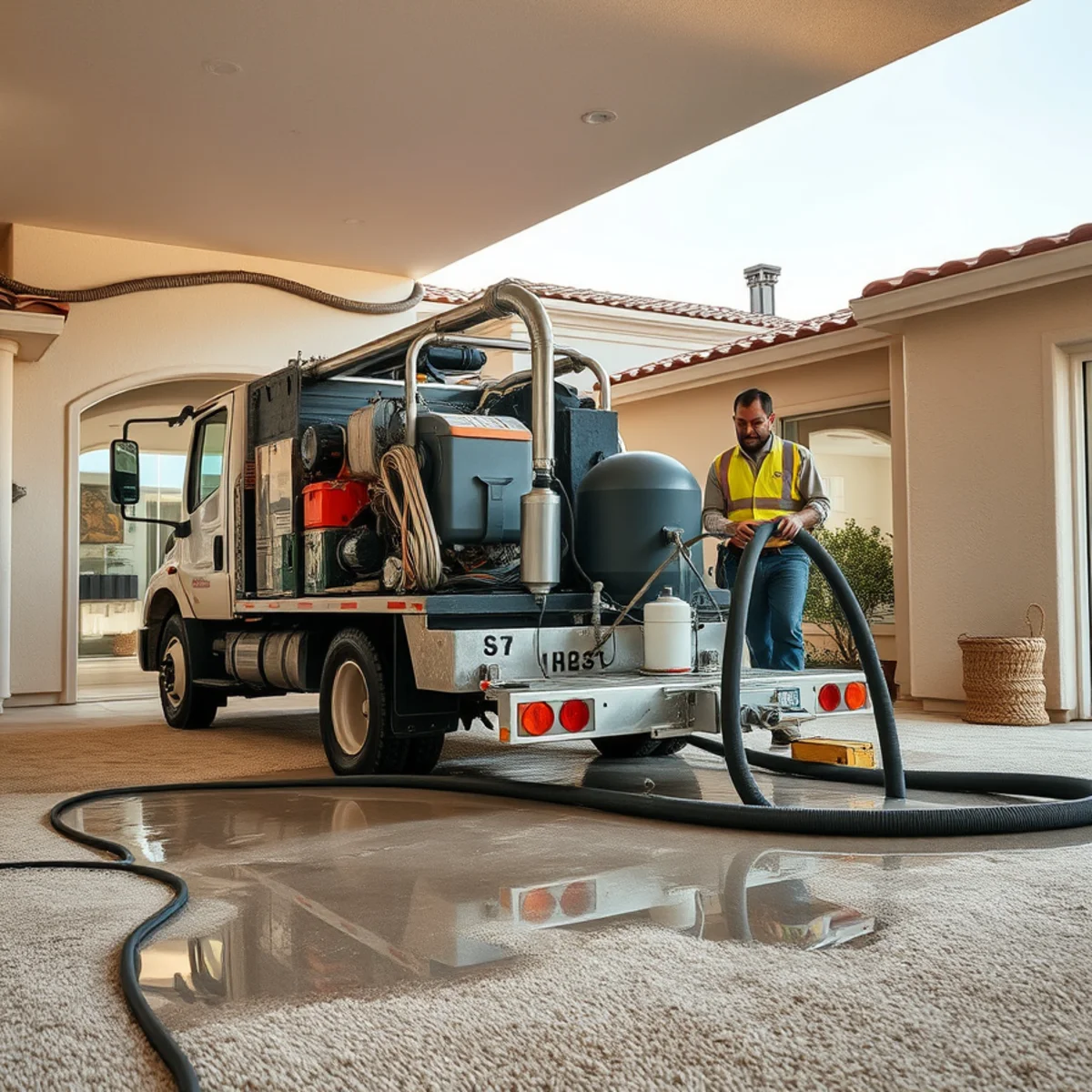
Next, the standing water comes out — fast. Truck-mounted and portable extractors pull water from floors, carpet, and pad far more completely than any household tool. The sooner the bulk water is gone, the less it soaks into the structure. This is the heart of professional water extraction, and it's where the damage curve starts bending back down.
Step 4 — Drying and dehumidification
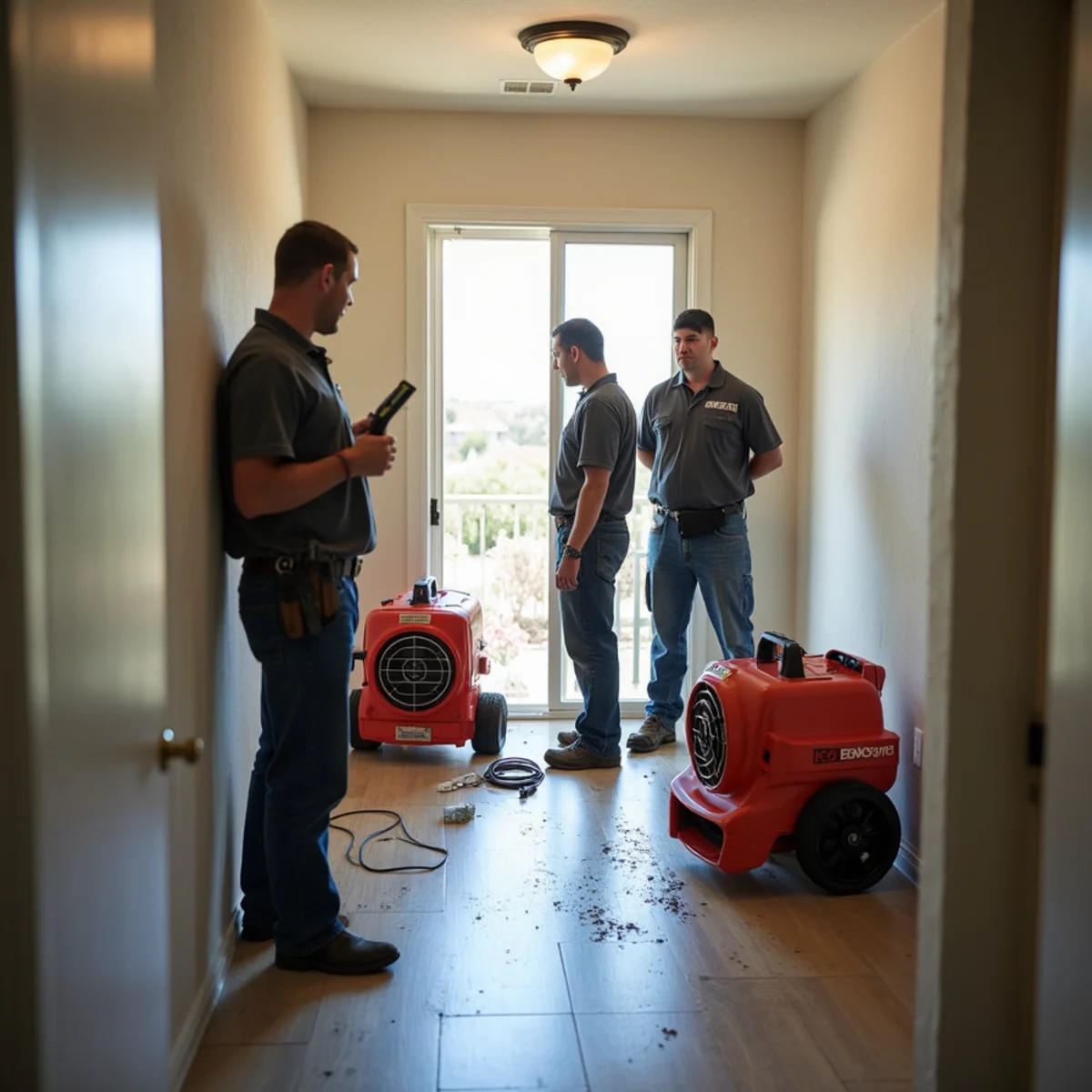
Extraction removes the water you can see; drying removes the water you can't. Air movers push air across wet surfaces while commercial dehumidifiers pull moisture from the air, and the crew returns to take daily readings until the structure hits a verified dry standard. This is the longest stage — usually three to five days — and skipping it is what leaves walls that look fine but grow mold later. See how structural drying is done to standard, and how long drying really takes room by room.
Step 5 — Cleaning, sanitizing, and mold prevention
As the structure dries, the crew cleans and treats affected materials. Gray and black water require antimicrobial treatment and safe disposal of contaminated materials; even clean-water losses get a preventive treatment in the right conditions, because the 24–48 hour mold window is real. If mold is already present, mold remediation with containment happens before anything is closed back up.
Step 6 — Repairs and reconstruction
With the home dry and clean, restoration moves to putting it back: replacing removed drywall and insulation, reinstalling flooring, and repainting. On a small loss this is quick; on a larger one it's the bulk of the timeline. A company that handles both the drying and the repairs keeps the job seamless instead of handing you to a separate contractor.
How long does the whole process take?
A small, clean-water loss — a supply line caught early — can be extracted and drying within hours and fully dry in two to three days, with minor repairs after. A larger loss, sewage, or water that sat for days runs one to three weeks once reconstruction is included. The single biggest variable is how quickly extraction and drying began.
- First hours: call, dispatch, inspection, and extraction
- Days 1–5: drying and dehumidification with daily monitoring
- After drying: cleaning, any mold work, then repairs and repaint
Where insurance fits in
Throughout, a good crew documents moisture readings, photos, and scope for your claim and, where your policy allows, bills the insurer directly. Sudden, accidental water damage is usually covered; gradual leaks often aren't. Our cost guide and how to choose a company cover the money and the hiring side in detail.
Every home is a little different, but the sequence rarely changes: stop the water, get it out, dry to standard, prevent mold, rebuild. If you're staring at water right now, call for emergency help — the timeline above only works in your favor if the first step happens fast.
Water damage right now? Don't wait.
45-minute average dispatch across Murrieta • available 24/7 • licensed & insured
Frequently Asked Questions
A small, early-caught clean-water loss can be dry in two to three days with minor repairs after. Larger losses, sewage, or water that sat for days can run one to three weeks including reconstruction. Drying alone is typically three to five days.
Often yes, for a contained clean-water loss. You may need to relocate if large areas are affected, if there's sewage, or if the drying equipment and removed materials make rooms unusable. The crew will tell you which rooms stay workable.
A full-service restoration company handles both. The same team that dries your home can replace drywall and flooring and repaint, which avoids the gap and finger-pointing that happens when drying and reconstruction are split between two contractors.
Sudden, accidental water damage — a burst pipe, a failed water heater, a storm intrusion — is usually covered. Gradual, long-term leaks often are not. A company that documents moisture and photos and works with your adjuster makes the claim far smoother.
Written & reviewed by the Water Damage Restoration Murrieta team
IICRC-certified, licensed & insured water damage restoration professionals serving Murrieta and southwest Riverside County. Questions about your situation? Call (201) 277-9344 — we answer 24/7.