After a leak, one of the first questions we hear is simple: does this drywall have to come out, or can you just dry it? It is a fair question, because cutting out drywall means patching, texturing, and painting later. The honest answer is that it depends on three things: how the water moved, what kind of water it was, and what the moisture meter tells us. Some wet drywall dries in place and is as good as new. Some has to come out, and drying it would only trap the problem behind the paint.
How water moves through drywall
Drywall is gypsum sandwiched between paper. The paper is organic, which means it is food for mold, and the gypsum core is porous, which means it wicks. When water sits on the floor, the bottom edge of the wall pulls moisture upward like a paper towel standing in a puddle. That is why we so often find the bottom several inches of a wall wet even when the leak came from above. Water also travels down inside the wall cavity from a roof or plumbing leak, soaking insulation and the back of the drywall where you cannot see it.
The moisture readings that decide it
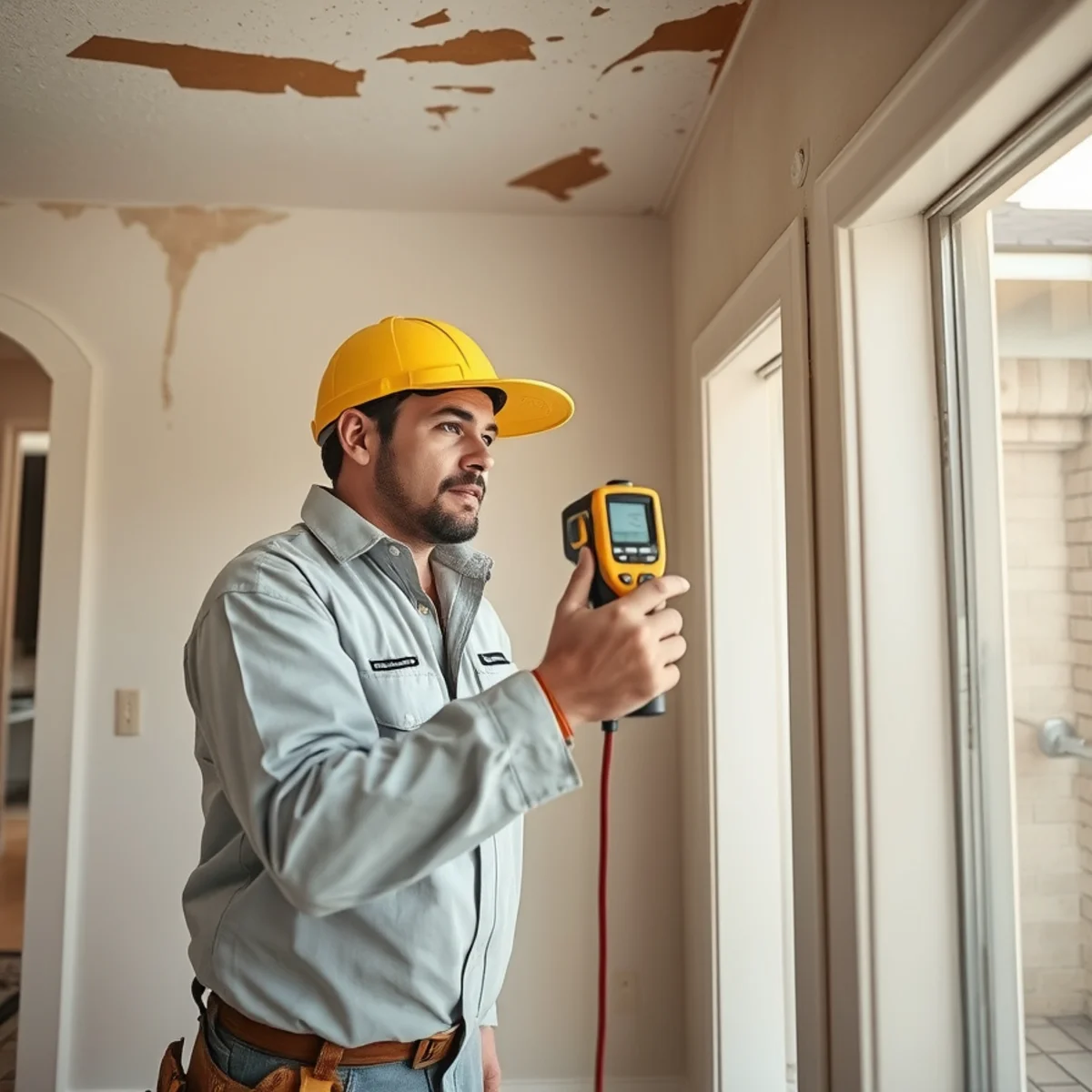
We do not guess. We take readings with a moisture meter, first a pinless meter to scan broad areas without marking the wall, then a pin meter to confirm depth in specific spots. We compare those numbers to a dry reference reading from an unaffected wall in the same home. If wet drywall can reach that dry standard within a reasonable drying window and it is structurally sound, we dry it in place. If the readings will not move, or the board is failing, it comes out.
What 'sound' means for drywall
Drywall that is merely damp but firm can often be dried. Drywall that is soft, crumbling, swollen at the seams, sagging, or bubbling under the paint has lost its integrity. No amount of drying restores that, so it is removed.
When wet drywall can be dried in place
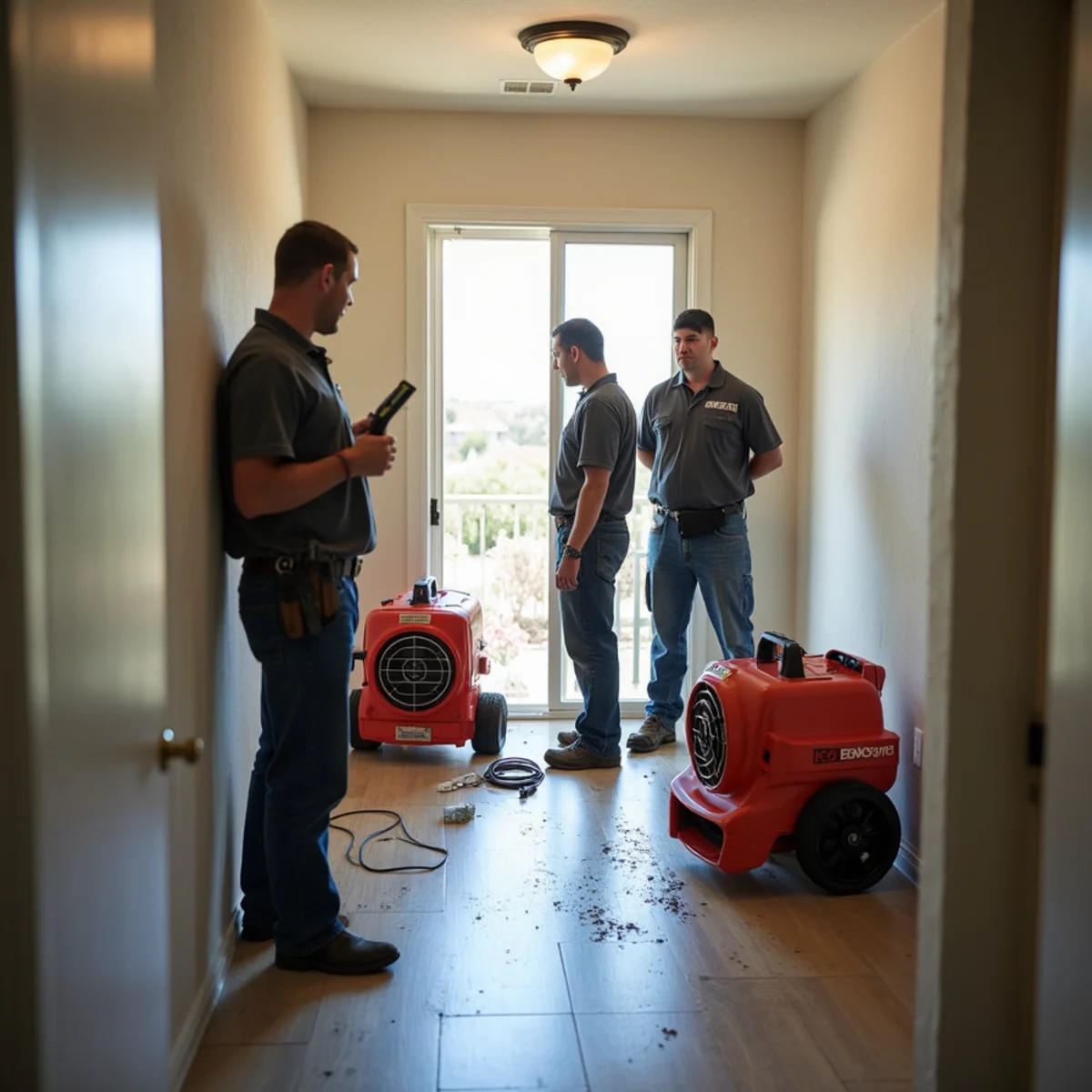
Clean water, caught quickly, on drywall that is still firm, is the best case. Here is roughly how we save it. We remove the baseboards, drill or cut small ventilation holes low on the wall if needed, and sometimes lift the bottom edge to let air into the cavity. Then we set up air movers to push air across the surface and a dehumidifier to pull the released moisture out of the room. We monitor daily until the readings match the dry standard. Painted drywall that only got surface-wet often dries this way without ever being cut.
When it has to come out: the flood cut
When the wall cavity is soaked, the insulation is wet, or the water was contaminated, we make what the trade calls a flood cut, a clean horizontal cut usually 12 to 24 inches above the floor line. Removing that lower band lets us pull out wet insulation, dry the framing and the back of the upper drywall, and confirm the cavity is dry before we close it. It looks dramatic, but it is far cheaper than sealing moisture and mold inside a wall and paying for both again in a few months.
Ceilings are their own case, and a wet one deserves extra caution. A drywall ceiling that has taken on water from above can sag, and a sagging, saturated ceiling is a genuine safety hazard, wet gypsum is heavy and a bulging section can come down without warning. We treat a bulging or dripping ceiling as remove-first: relieve the trapped water safely from the side, then evaluate what remains. Please do not poke at a bulging ceiling yourself while standing under it, that is how people get hurt.
The water category changes the answer
How dirty the water was matters as much as how much there was. Clean water (Category 1), from a supply line or a fresh-water fixture, is the most forgiving. Gray water (Category 2), lightly contaminated water from an appliance or a washing machine, requires more caution. Black water (Category 3), from sewage or floodwater off the ground, is treated as contaminated regardless of how the drywall looks, so porous materials that soaked it up are removed and disposed of. When a leak sits for days, clean water can also degrade into a worse category over time.
Water damage right now? Don't wait.
45-minute average dispatch across Murrieta • available 24/7 • licensed & insured
Insulation is a separate question
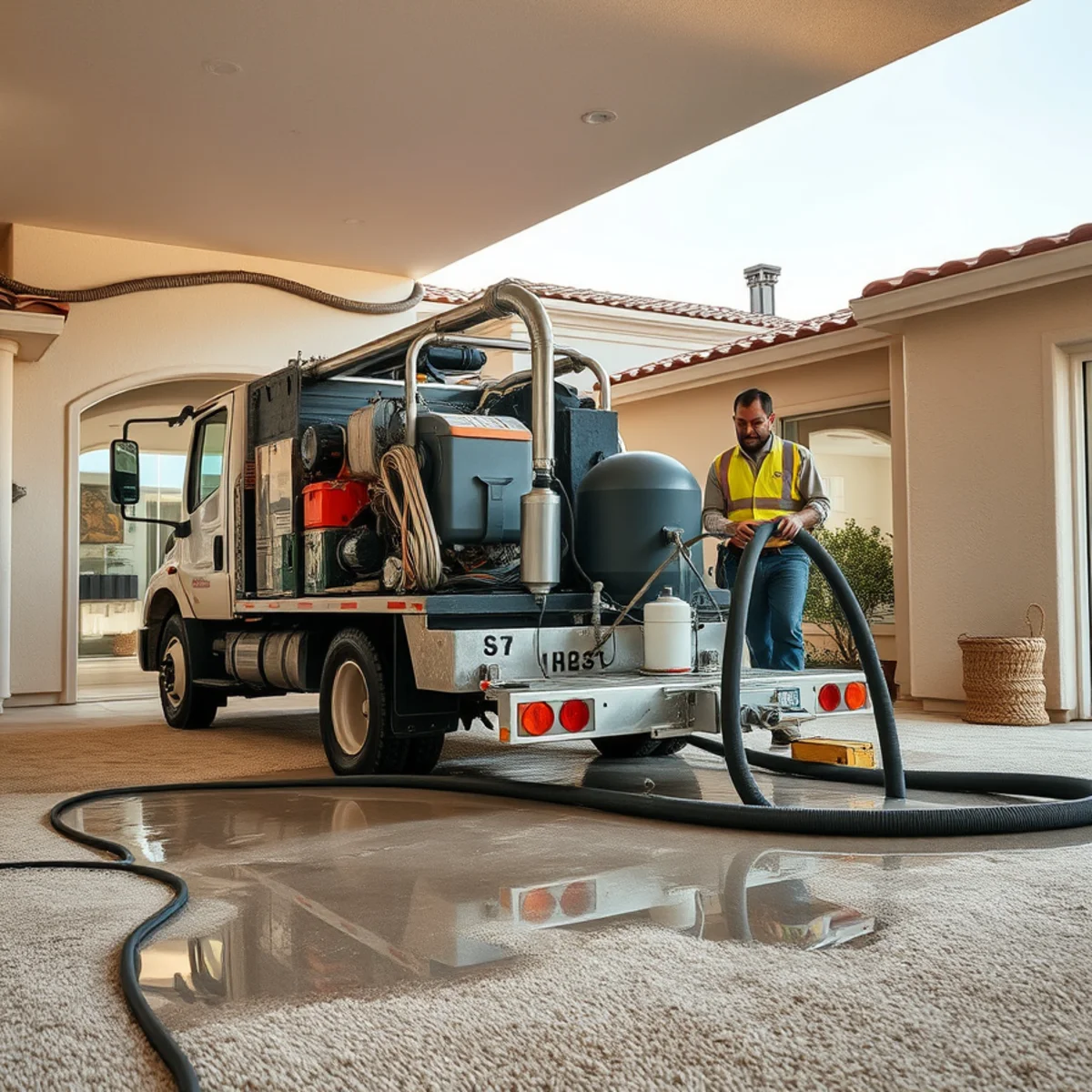
People assume that if the drywall is fine, what is behind it is fine too. Not so. Fiberglass insulation holds water in its batting and dries very slowly inside a closed wall, and wet insulation keeps the drywall damp from behind no matter how hard you dry the face. Batt insulation that got soaked usually comes out, which is another reason a flood cut is sometimes the right call even when the board itself might have survived. We handle the wet materials, the drying, and the water extraction as one coordinated job so nothing gets closed up wet.
What we do in a Murrieta home
On a typical call in Copper Canyon or Northpark, we map the moisture, decide save-versus-remove wall by wall, and set a drying plan with a target. If a section can be dried, we dry it and prove it with readings. If it cannot, we cut cleanly, dry the cavity, and hand you a wall that is ready for a smooth patch. If mold has already started behind the board, we bring in mold remediation so it is handled before anything is closed up. The goal is always the same: keep what is genuinely salvageable, remove what is not, and never trap water behind paint.
Frequently Asked Questions
It can genuinely be saved when the water was clean, it was caught quickly, and the board is still firm. We confirm with moisture readings against a dry reference and dry it in place. We only remove drywall that stays wet, has lost integrity, or was hit by contaminated water.
Usually 12 to 24 inches above the floor, above the visible waterline. That lets us pull wet insulation, dry the framing and cavity, and confirm it is dry before patching. If water came from above, the cut is placed based on where the moisture actually reads.
Because the moisture is usually deeper than the surface, in the cavity and insulation. Painting over damp drywall seals water in with the paper facing, which feeds mold. Surface-dry is not the same as dry, and only a meter reading confirms the difference.
California policies often cover sudden, accidental water damage, including the drywall and drying work, though gradual leaks are commonly excluded. We document the moisture readings and photos your adjuster needs. Call us and we will walk you through what to record.
Written & reviewed by the Water Damage Restoration Murrieta team
IICRC-certified, licensed & insured water damage restoration professionals serving Murrieta and southwest Riverside County. Questions about your situation? Call (201) 277-9344 — we answer 24/7.
Serving these areas: