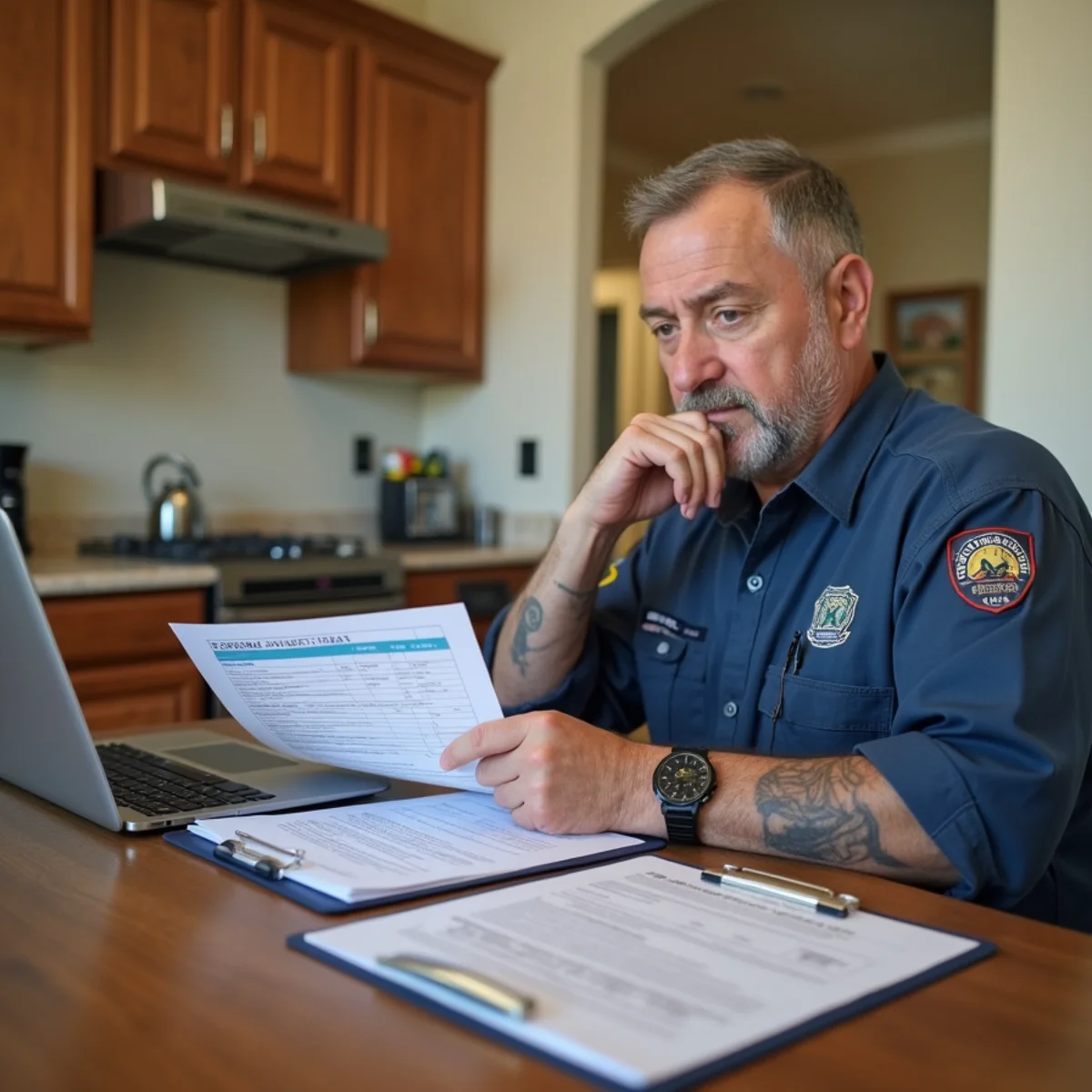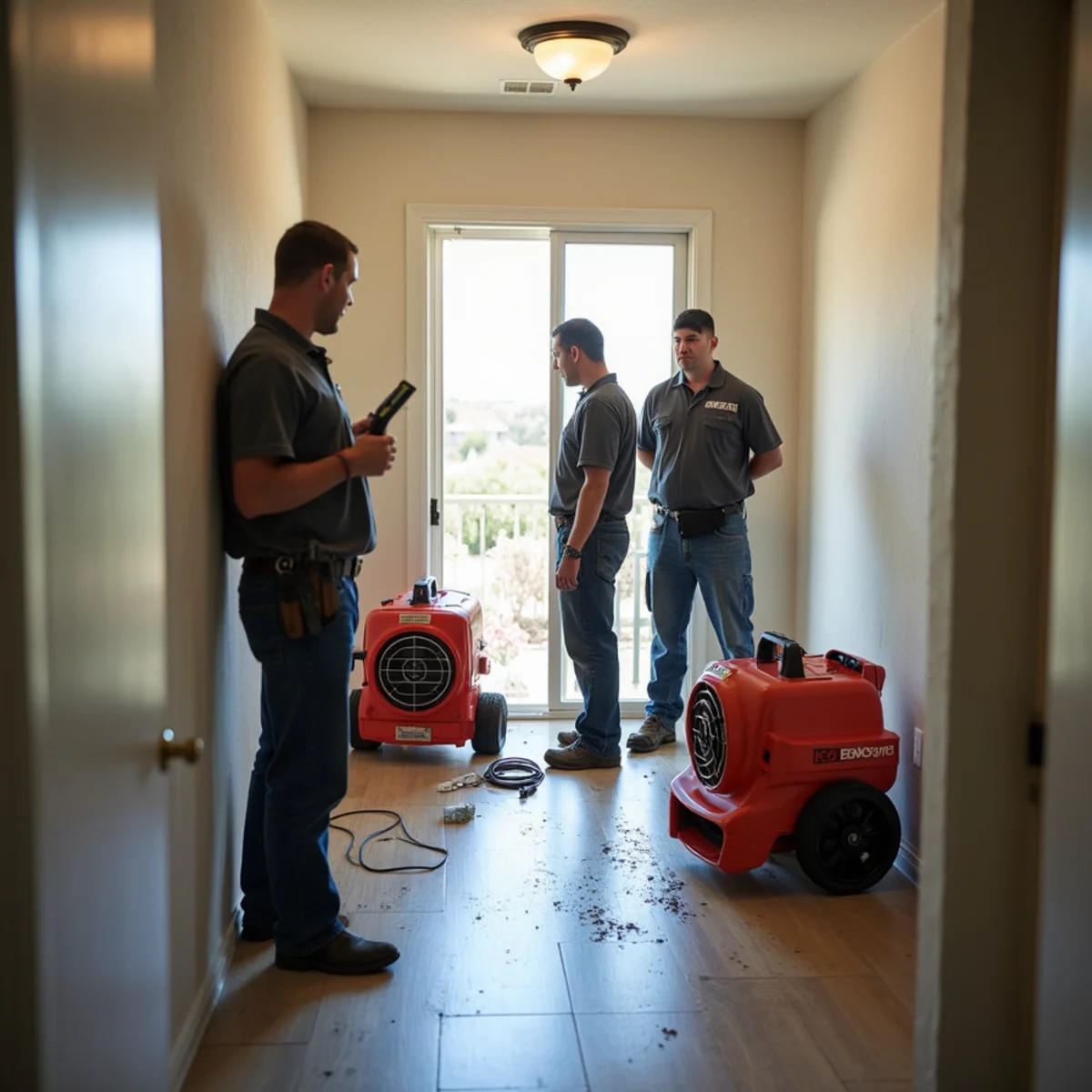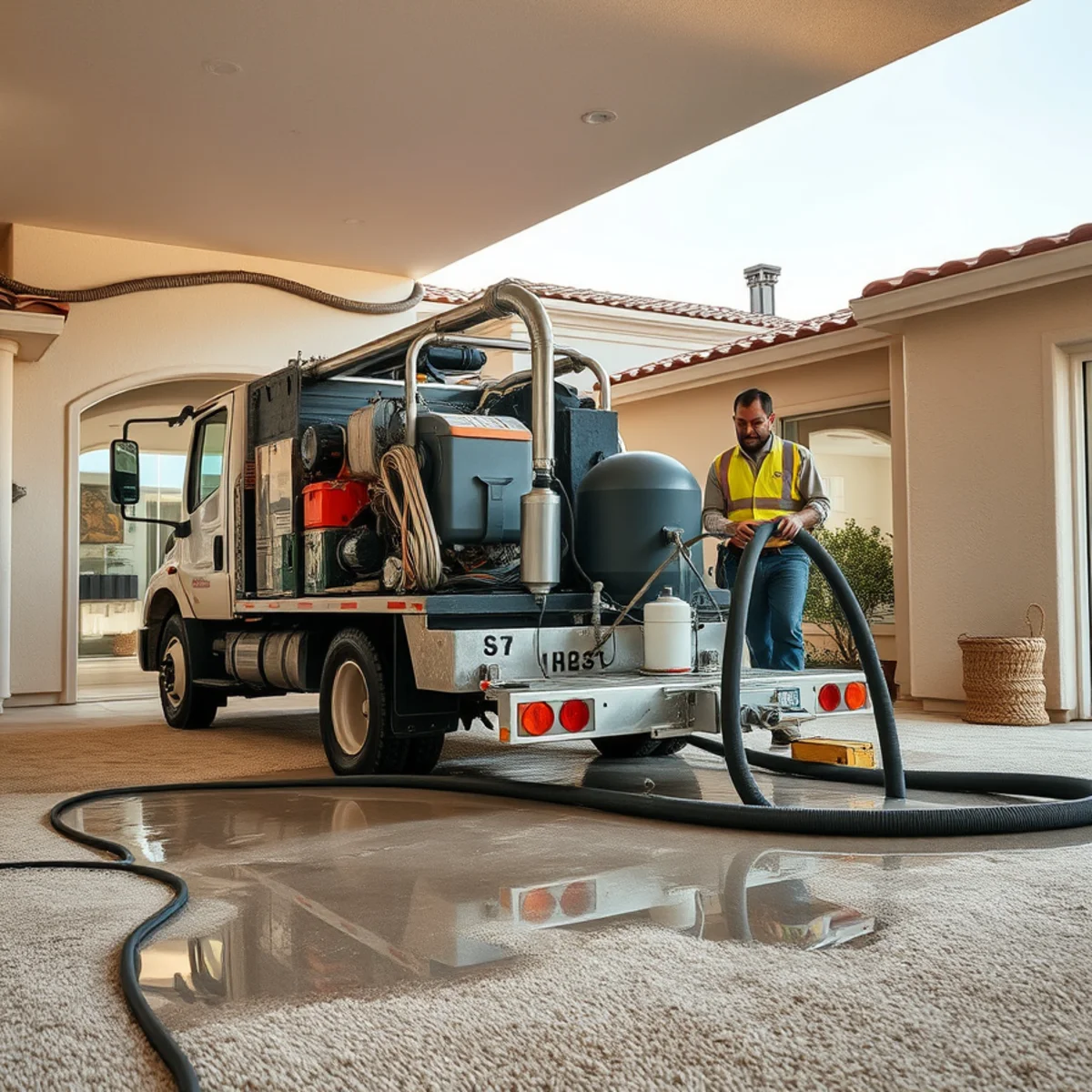
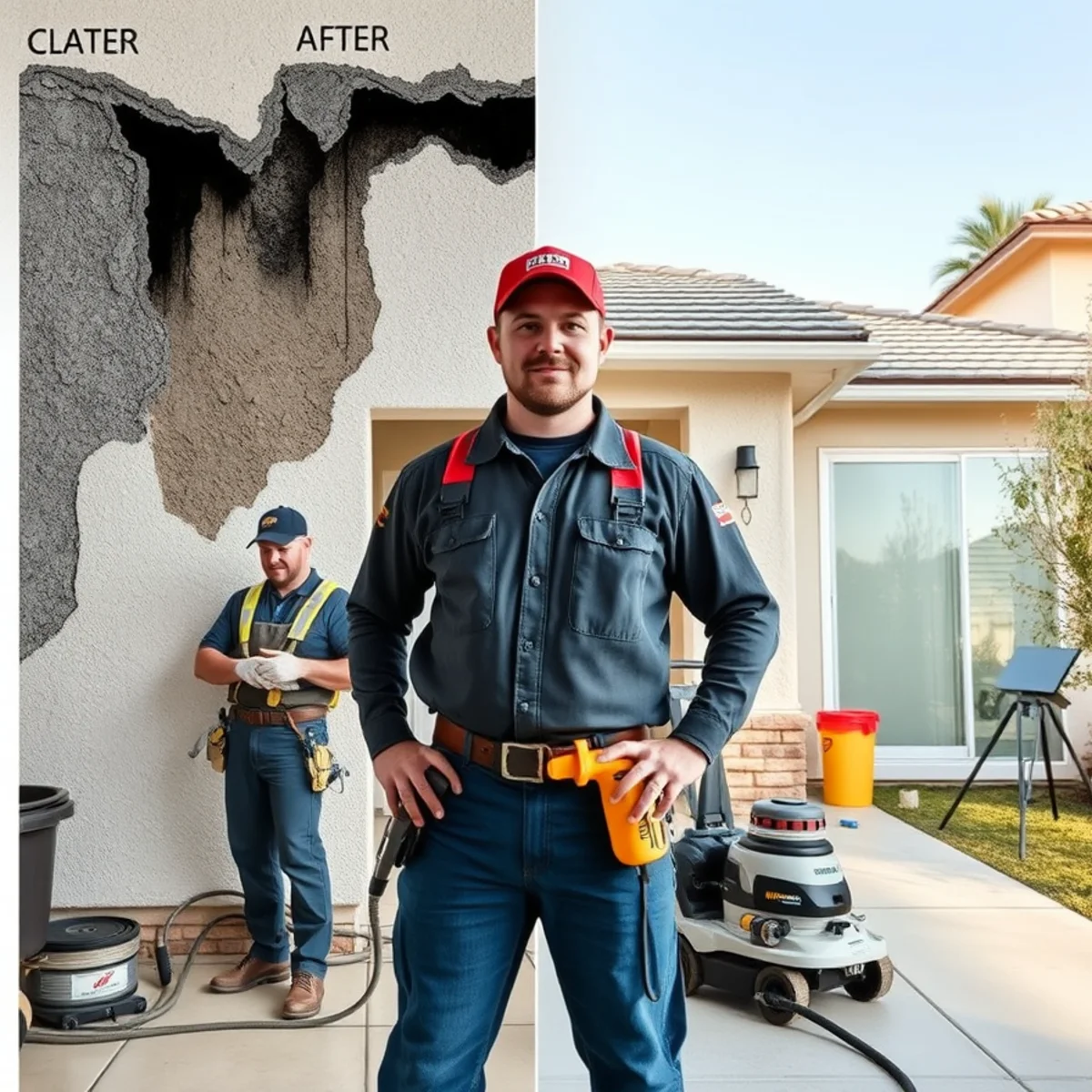
When we walk into a water-damaged home, the very first thing we determine is not how much water there is, but what kind of water it is. That single call, the category, shapes everything: whether it is safe to be in the room, what protective gear the crew wears, which of your belongings can be saved, how the cleanup is done, and what it costs. The industry standard we follow, IICRC S500, sorts water into three categories. Here they are in plain English, with the reasoning behind each.
What 'category' means, and why it's not 'class'
Category describes how contaminated the water is, how dirty and how dangerous. It is different from class, which describes how much material is wet and how hard it is to dry. You can have a small spill of very dirty water (high category, low class) or a large spill of clean water (low category, high class). Both numbers matter, but category is the one that decides safety and what has to be thrown away. This article is about category.
Category 1: clean water
Clean water (Category 1) comes from a sanitary source, a broken supply line, an overflowing bathtub with clean water, a failed water heater fitting, or rainwater that came straight in without touching the ground. At the moment it escapes, it poses no real health risk. This is the best case. Most materials can be dried and saved if we get to them quickly, and the crew does not need heavy protective equipment. The catch: clean water does not stay clean forever, which we will come back to.
Category 2: gray water
Gray water (Category 2) is lightly contaminated, water that carries some level of chemical, biological, or physical pollutant and could cause discomfort or illness if contacted. Think of a dishwasher or washing-machine discharge, a toilet overflow that contained urine but no solids, or an aquarium. It is not raw sewage, but it is not safe to treat casually. Some porous materials it soaks may be saved with proper cleaning and drying, and others come out. The crew steps up its protection accordingly.
Category 3: black water
Black water (Category 3) is grossly contaminated and can carry bacteria, viruses, and other harmful agents. This is raw sewage, a toilet backup with solids, water from a sewer line, or floodwater that ran across the ground into your home. It is a genuine health hazard. Crews work in full protective gear, porous materials that absorbed it are removed and disposed of, and everything that stays is cleaned and disinfected. There is no shortcut here, and it is not a do-it-yourself job.
The reason black water is treated so strictly is that you cannot see the danger. The water may look no worse than gray water, but the organisms it carries do not announce themselves. That is why the response is driven by the source and the category rather than by how bad the water looks, a clear-looking puddle from a sewer line is handled with the same caution as an obviously foul one. When we identify Category 3, the safety protocol is fixed, not a judgment call based on appearance.
A quick way to remember it
Category 1 is water you could have drunk a moment ago. Category 2 could make you sick. Category 3 can seriously harm you. As the water gets dirtier, more of what it touches has to be thrown away.
Categories don't stay put
This is the part homeowners are most surprised by: category is not fixed, it degrades. Clean water left sitting picks up contaminants from the materials it soaks and from bacteria that multiply in warm, still water. As a rule of thumb, standing water can drop a category within roughly 24 to 48 hours, and faster in heat. So a clean supply-line break that would have been an easy save on day one can become a gray-water job by the time it is discovered two days later. This is the single best argument for calling quickly, before the water gets worse on its own.
Water damage right now? Don't wait.
45-minute average dispatch across Murrieta • available 24/7 • licensed & insured
Why the category changes everything, including cost
Category drives the whole plan. It sets the protective equipment, the cleaning and disinfection required, how much material must be removed, and how the waste is handled, so it naturally drives cost. As a rough 2026 guide for our area, cleanup runs on the order of $3.50 per square foot for clean water, around $5.25 for gray, and about $7.50 for black, with a typical California project landing somewhere between $1,200 and $5,000. Those are ranges, not quotes, because square footage, materials, and how long the water sat all move the number. We give a firm price after a free inspection, never a guess over the phone.
What this means for your cleanup
Knowing the category tells you how urgent and how hazardous your situation is. Clean water, handled fast, is often a straightforward extraction and dry. Gray and especially black water require trained crews and protective protocols, and they are not safe to tackle yourself. Our team handles all three, from routine flood cleanup to hazardous sewage cleanup, and thorough water extraction on the front end limits how far the damage spreads. We help homeowners across Perris and Menifee identify the category correctly and match the response to it, because getting that first call right saves both belongings and money.
One last practical point: when you call us, describing the water's source helps us arrive prepared. Tell us where it came from, a burst supply line, a washing machine, a toilet, the storm outside, and roughly how long it has been sitting. That short description lets us gauge the likely category before we get there, bring the right protective equipment, and give you accurate guidance over the phone about whether it is safe to be in the room. You do not have to diagnose it yourself, you just have to tell us what you know.
The three water categories, side by side
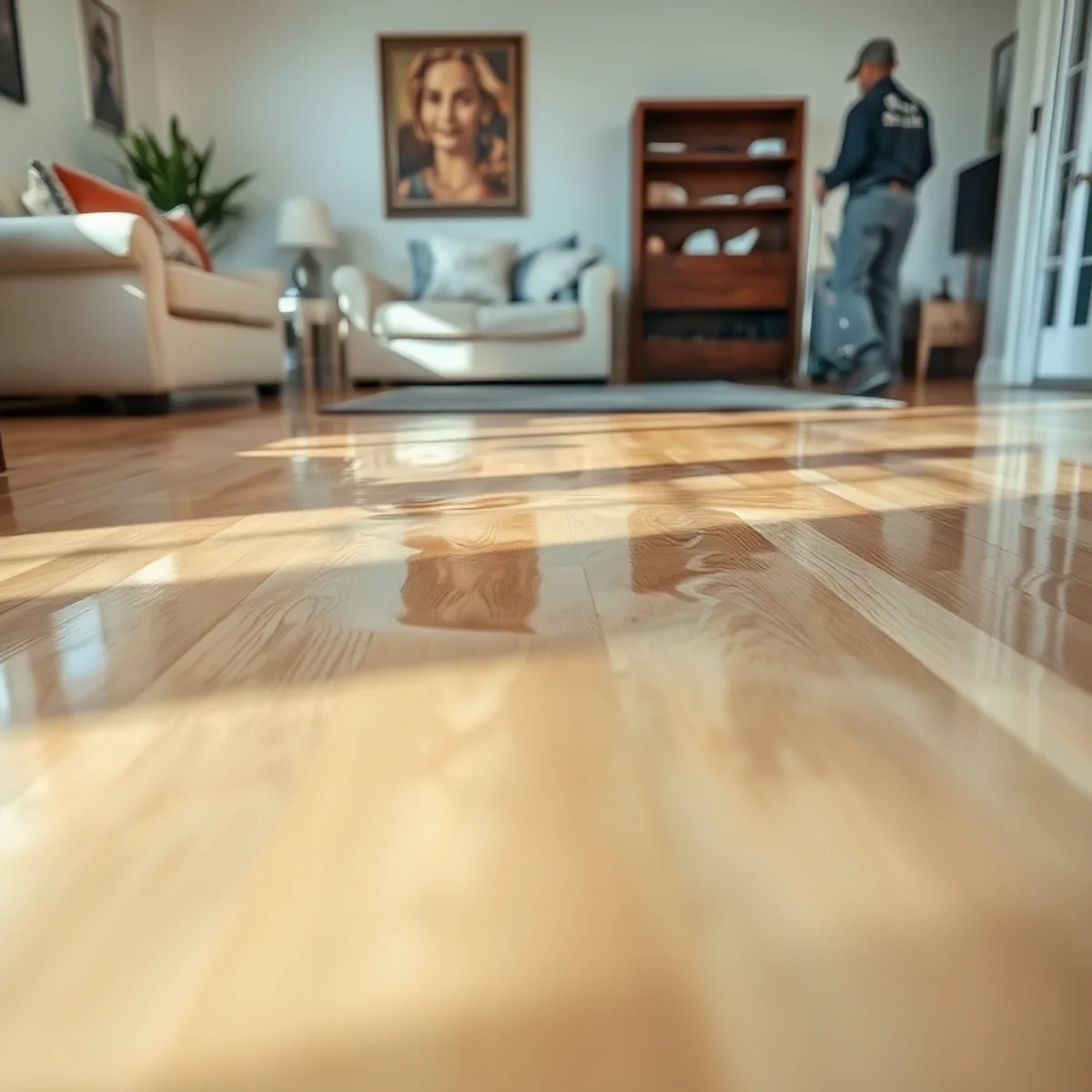 1
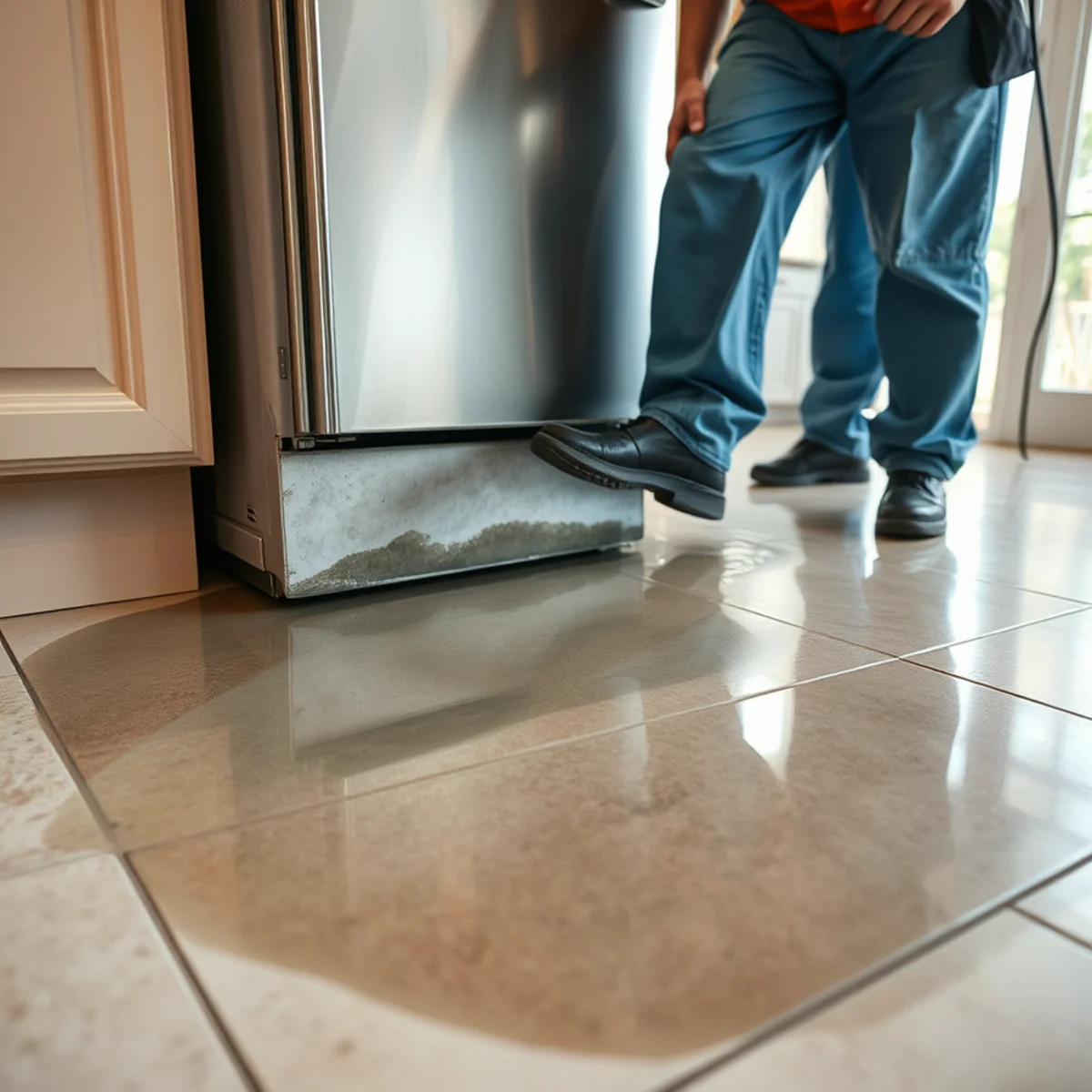 2
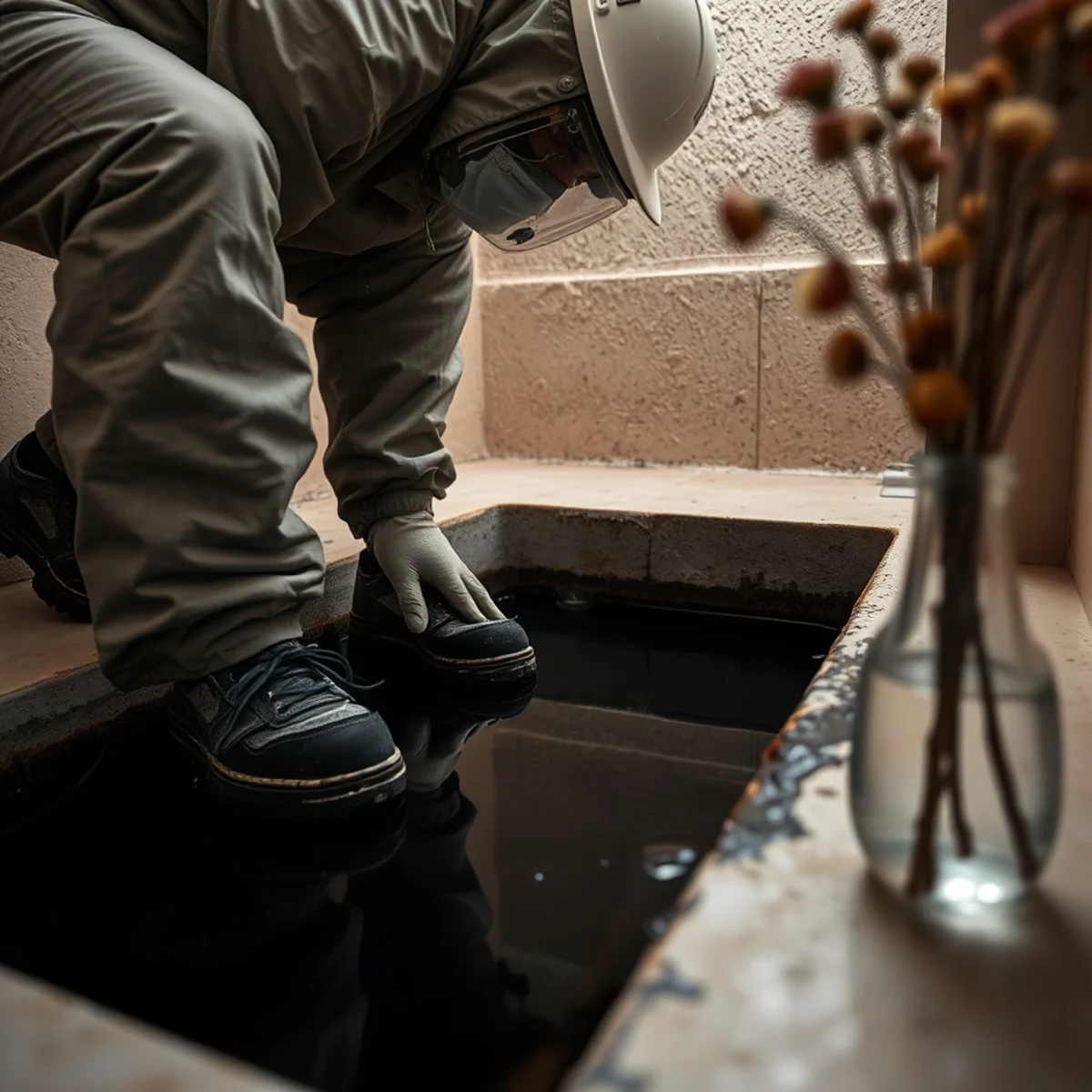 3
Frequently Asked Questions
Trace the source. A clean supply line or fresh rainwater is Category 1, appliance discharge or a urine-only toilet overflow is Category 2, and sewage, a toilet backup with solids, or floodwater off the ground is Category 3. If the water has been sitting, assume it has degraded and treat it more cautiously.
Yes. Standing water absorbs contaminants from the materials it soaks and grows bacteria in warm, still conditions. Within roughly 24 to 48 hours, clean water can drop to gray, and gray toward black. That is why fast extraction matters, it keeps a manageable job from becoming a hazardous one.
No. Black water carries bacteria, viruses, and other harmful agents that require protective gear, professional disinfection, and proper disposal of contaminated materials. It is a genuine health hazard, so it should be handled by a trained crew following IICRC S500 protocols, not with household supplies.
It can affect the scope and documentation, but coverage usually turns on the cause, sudden and accidental damage is often covered, gradual leaks frequently are not. We document the category, source, and moisture readings your adjuster needs. Call us and we will walk you through what to record.
Written & reviewed by the Water Damage Restoration Murrieta team
IICRC-certified, licensed & insured water damage restoration professionals serving Murrieta and southwest Riverside County. Questions about your situation? Call (201) 277-9344 — we answer 24/7.