
The Inland Empire packs most of its rain into a short winter window, and Murrieta is no exception — the area averages around 11 inches a year, nearly all of it between November and March. That means your home gets one dry season to prepare and then faces the whole year's rain in a few months. This checklist walks through what to do before the first November storm, grouped by area so you can knock it out in a weekend. Think of it as trading one dry-season weekend for a winter without buckets under the ceiling — a trade that pays off the very first time a storm rolls through.
Why late October is the deadline
Repairs, sealant, and roof work all go better in warm, dry weather, and they need time to cure. If you wait until the forecast shows rain, you are patching in a hurry and the fixes may not hold. Getting everything done by late October means your home is ready when the first system rolls through — which is exactly when we see the most preventable damage, because homes meet heavy rain with summer-worn roofs and clogged gutters. There is also a practical scheduling reason: roofers, gutter crews, and handymen book up the moment the first storm hits the news, so the homeowner who calls in October gets a calm appointment while the one who waits until November joins a long, anxious line.
One dry season to prep
Almost all of the Inland Empire's rain falls November through March. The work on this list is best done in the last dry stretch of fall, while there is still time for repairs to cure.
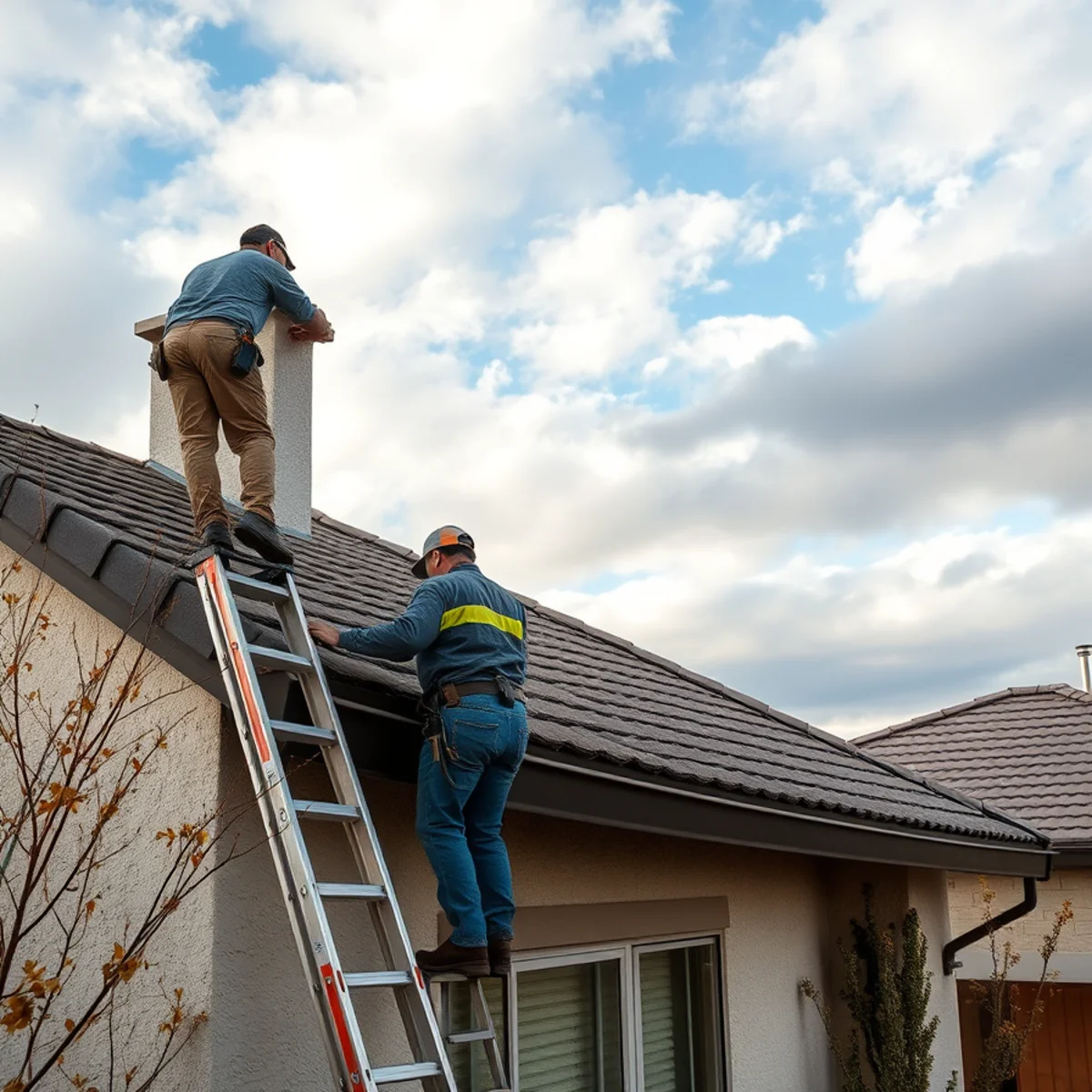
The roof and attic
Your roof takes the first hit. Work through it before anything else:
- Inspect for missing, cracked, curled, or lifted shingles and tiles, and have them repaired.
- Check the flashing around chimneys, vents, skylights, and where the roof meets walls — reseal any gaps.
- Look at the sealant around all roof penetrations and refresh it if it is cracked or brittle.
- From inside the attic, look for daylight, water stains, or damp insulation that point to an existing leak.
- Trim back tree branches that overhang the roof so wind cannot drive them into it.
Gutters, downspouts, and drainage
Rain on the roof has to get away from the house. Give it a clear path:
- Clean all gutters of leaves and debris, then flush them with a hose to confirm they flow.
- Check that gutters are pitched toward the downspouts and firmly attached.
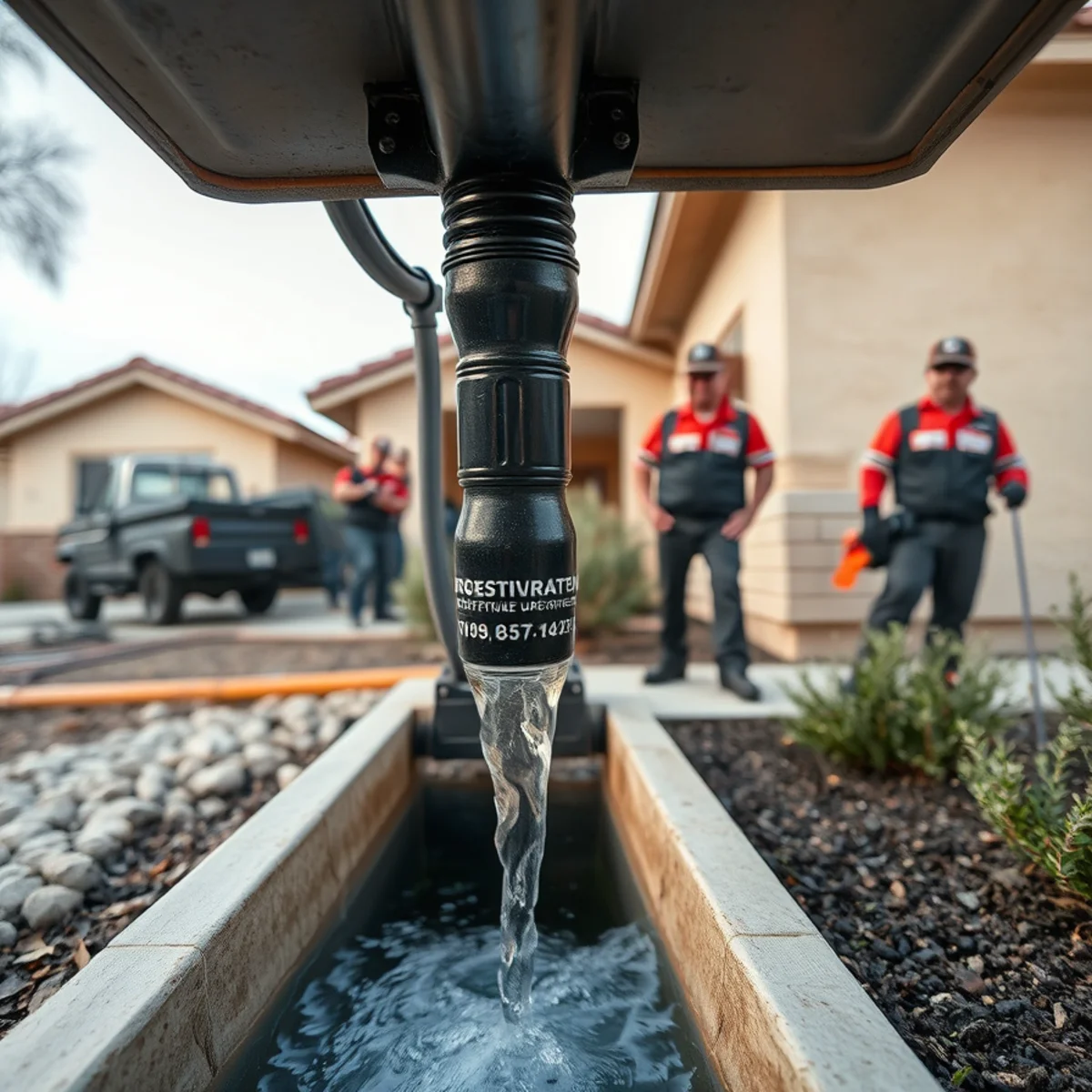
- Extend downspouts so they discharge at least four to six feet from the foundation.
- Clear yard drains, area drains, and any swales of summer buildup.
- Regrade soil that has settled so it slopes away from the house, not toward it.
Doors, windows, and the garage
These are the openings wind-driven rain exploits:
- Reseal cracked caulk around window and door frames.
- Replace worn weatherstripping so doors close tight.
- Inspect and replace the garage door bottom seal — a frequent leak point in a storm.
- Check that window wells and thresholds drain and do not pool.
- Seal gaps around exterior outlets, hose bibs, and where cables enter the wall.
Inside the house
Finish with the systems you will rely on during a storm:
- Locate and test your main water shut-off so you can stop a burst pipe fast.
- If you have a sump pump, pour in water to confirm it turns on and drains.
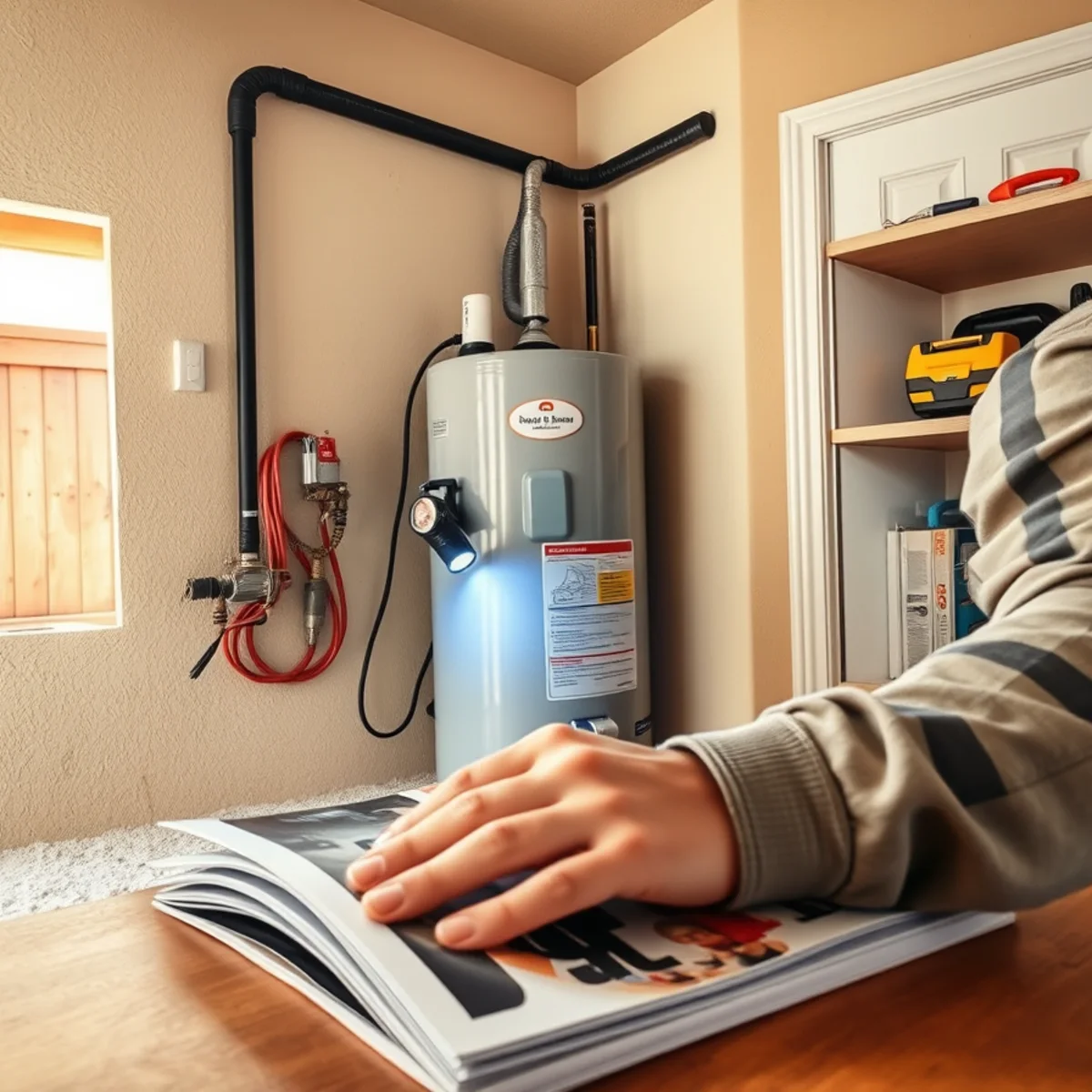
- Check that your water heater is strapped and its connections are dry.
- Test flashlights, and keep batteries, towels, and a wet/dry vacuum where you can reach them.
- Store important documents in a waterproof container, up off the floor.
Photograph your home now
Before the season, take a few photos of your roof, exterior, and each room in good condition. If a storm causes damage, those before shots make an insurance claim far easier to prove.
Water damage right now? Don't wait.
45-minute average dispatch across Murrieta • available 24/7 • licensed & insured
The three ways storm water gets inside
Almost every storm leak we see enters one of three ways, and this checklist targets all three. The first is from above — a compromised roof, where wind-lifted shingles, cracked flashing, or a failed seal around a vent lets rain into the attic and then the ceiling. The second is from the sides — wind-driven rain finding gaps around windows, doors, and the garage, or backing up under a threshold. The third is from below and around — surface water that pools against the foundation because gutters overflowed or the yard slopes the wrong way, then seeps through the slab or a wall crack. When you work the list by area, you are really closing off those three routes one at a time. Miss one and the storm will find it.
Knowing the three routes also helps you triage during a storm. If water shows up at a ceiling light, look up — that is a roof or flashing problem. If it appears along the bottom of a door or window, that is an envelope-and-seal problem. If it seeps up through the floor or along the base of an exterior wall, that is drainage. Matching the symptom to the route tells you where to put your energy first, both during the storm and when you make repairs afterward.
Have a plan for when a storm still wins
Even a well-prepped home can lose a shingle to a Santa Ana gust or take on water when a drain backs up during a downpour. When that happens, fast drying is what keeps a wet ceiling from becoming a mold problem. Our team handles storm damage cleanup, roof leak restoration, and flood cleanup across Murrieta, Temecula, and Wildomar, 24/7 and to IICRC S500 standards. Keep our number where you can find it, and if a storm gets inside, call our 24/7 team for water damage restoration in Murrieta.
Your pre-storm checklist, area by area
 1
 2
 3
 4
Frequently Asked Questions
Aim to finish by late October. Almost all local rain falls November through March, and repairs like sealant and roof work cure best in warm, dry weather, so doing them before the first storm gives everything time to set.
The garage door bottom seal and downspout extensions. A worn garage seal lets wind-driven rain right in, and downspouts that dump at the foundation push water toward the slab. Both are cheap to fix and prevent common storm damage.
Most homes do not, but low-lying lots or homes with a history of pooling water can benefit from one. If you have a sump pump, test it before the season by pouring in water to confirm it activates and drains.
Insurers may deny claims tied to neglected maintenance. Keeping records of your roof and gutter work, plus before photos of your home in good condition, helps show the damage was sudden and not the result of deferred upkeep.
Written & reviewed by the Water Damage Restoration Murrieta team
IICRC-certified, licensed & insured water damage restoration professionals serving Murrieta and southwest Riverside County. Questions about your situation? Call (201) 277-9344 — we answer 24/7.