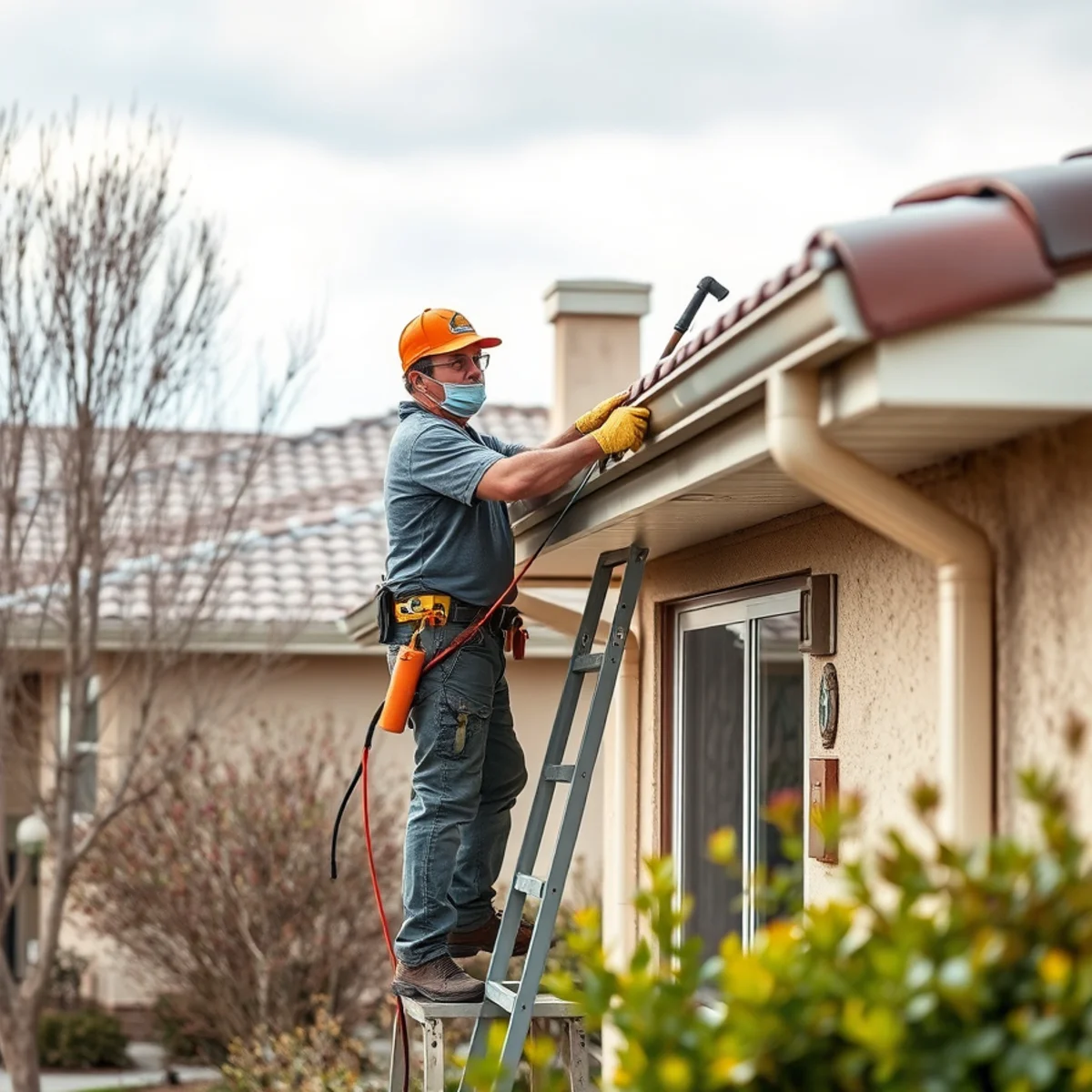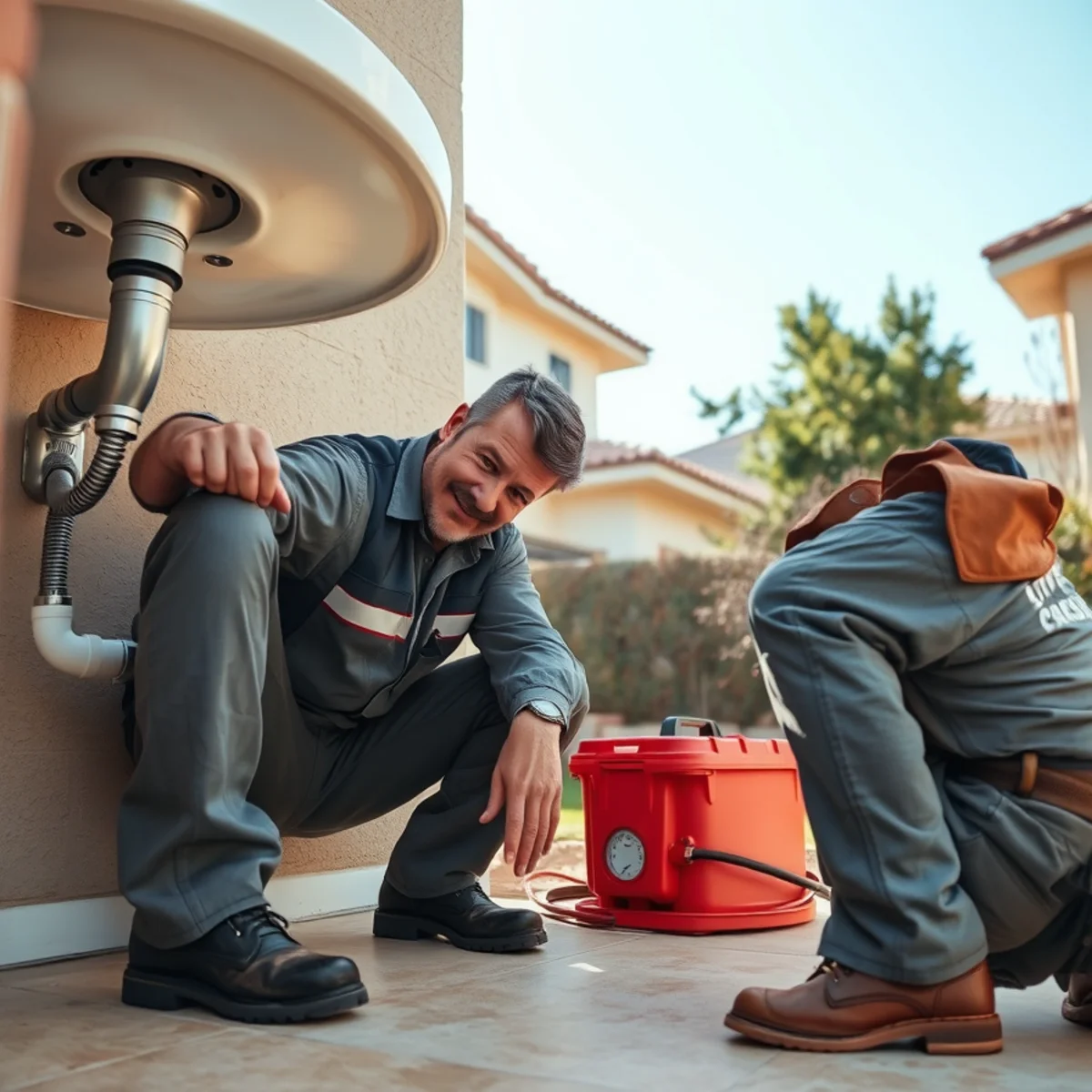
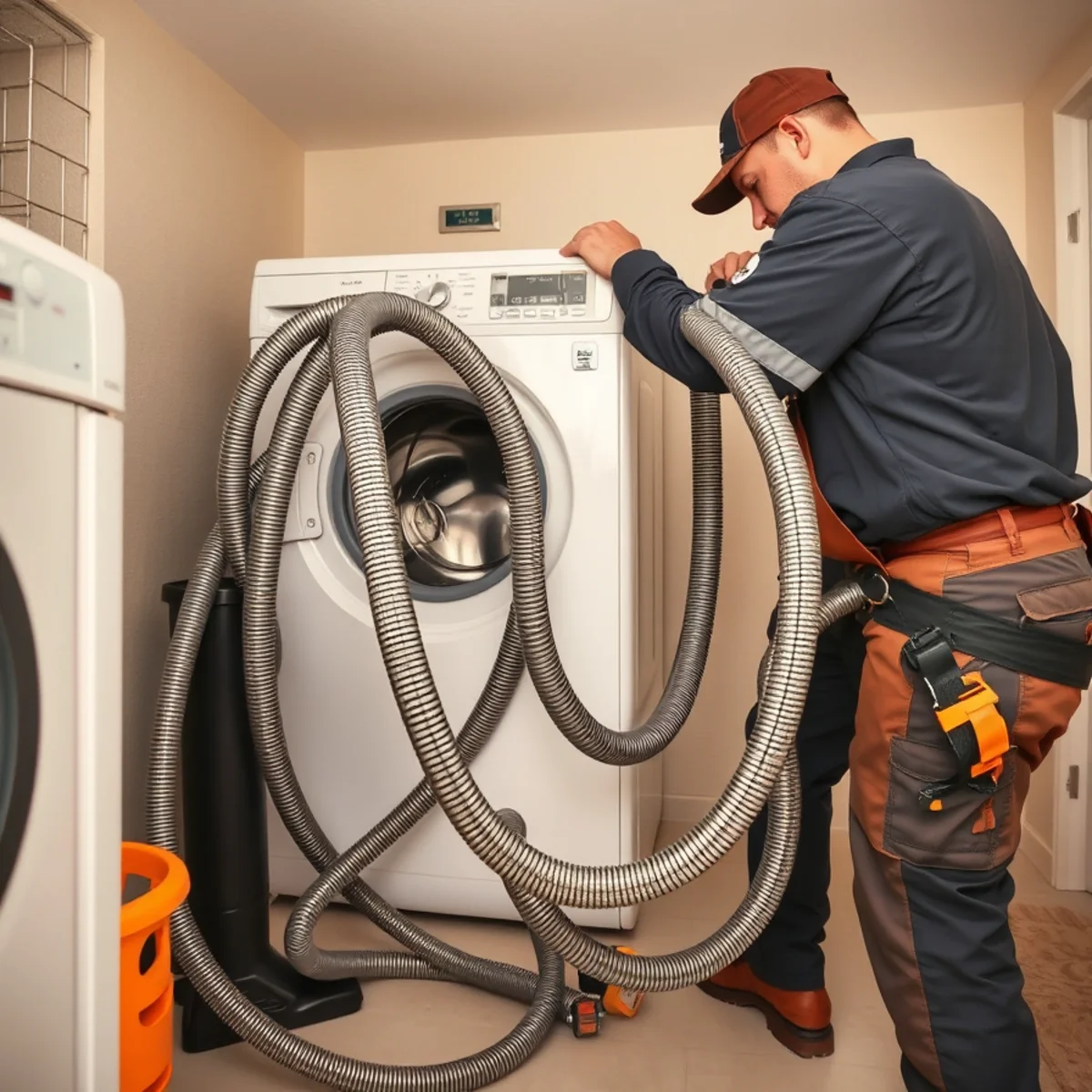
A surprising share of indoor floods trace back to three humble parts: the rubber hoses behind the washing machine, the water heater in the garage, and the little braided supply lines under sinks and toilets. None of them are glamorous, and that is exactly why they get ignored until they fail. The good news is that these failures are predictable. Each part has a service life, and replacing it on schedule — before it bursts — is one of the cheapest forms of flood prevention there is. Better still, none of these swaps requires a professional in most homes: a wrench, a towel, and half an hour usually does it.
Why age matters more than looks
It is tempting to judge a hose or supply line by how it looks: if it is not leaking, it must be fine. But these parts fail from the inside out. Rubber hardens and cracks internally, plastic nuts grow brittle, and the thin tubes inside a braided line corrode where you cannot see. A line can look perfect the day before it splits. That is why age, not appearance, is the right trigger for replacement. Know roughly when each part went in, and swap it on a schedule rather than waiting for the flood that tells you it was overdue.
Cheap part, expensive failure
A washing machine hose costs a few dollars. The flood when it bursts — often while you are asleep or away — can release hundreds of gallons and cost thousands to clean up. The math favors early replacement every time.
Washing machine hoses: every 5 years
The standard black rubber hoses that come with many washers are the single most common burst we see. They sit under constant pressure whenever the water is on, and rubber degrades with age and heat. Replace them every five years — sooner if you see any of these:
- Bulging, blistering, or a soft spot anywhere along the hose.
- Cracking or dryness at the bends, especially near the fittings.
- Rust or moisture at the connections.
- Any hose you cannot date — if you do not know its age, treat it as due.
When you replace them, use braided stainless steel hoses. They resist bursting far better than rubber and cost only a little more. And leave a few inches of space behind the washer so the hoses are not kinked against the wall.
Water heaters: 8 to 12 years
A traditional tank water heater lasts roughly 8 to 12 years. Past that, the tank's internal corrosion protection is spent and rust starts working through the steel. When an old tank finally fails, it can dump its entire contents — 40 to 50 gallons or more — onto the floor, plus whatever keeps flowing from the supply line until someone shuts it off. If yours is more than ten years old, start planning its replacement rather than waiting for the leak. Check the manufacture date on the label; many are encoded in the serial number. Flushing the tank once a year to clear sediment helps it reach the far end of that range.
Braided supply lines: every 5 to 8 years
Those flexible braided lines that feed faucets, toilets, and appliances have a life too. The braided sleeve hides a rubber or plastic core that ages and a nut that can crack. Replace them every five to eight years, and inspect them during your monthly checks for:
- Corrosion, kinks, or fraying of the braided sleeve.
- A cracked or crazed plastic connector nut.
- Moisture or mineral crust at either end.
- Toilet and faucet lines older than you can remember — replace on principle.
Your replacement schedule at a glance
If you want one simple list to follow:
- Washing machine hoses — replace every 5 years; upgrade to braided stainless steel.
- Braided supply lines (faucets, toilets, appliances) — replace every 5 to 8 years.
- Dishwasher and refrigerator supply lines — inspect yearly, replace at 5 to 8 years.
- Water heater — plan replacement at 8 to 12 years; flush the tank annually.
- Write the install date on each part with a marker, or log it, so future-you knows when it is due.
Turn off the laundry valves when you travel
Even good hoses sit under pressure around the clock. If you leave for a weekend or a vacation, shut off the hot and cold valves behind the washing machine. It is ten seconds of insurance against coming home to a flooded laundry room.
Water damage right now? Don't wait.
45-minute average dispatch across Murrieta • available 24/7 • licensed & insured
Do not forget the refrigerator line
One supply line deserves its own mention because it causes so much quiet damage: the small plastic tube that feeds a refrigerator's ice maker and water dispenser. It is usually tucked behind the fridge where no one looks, often made of thin plastic, and it can develop a slow drip that runs down the back of the cabinet and under the flooring for weeks before anyone notices. If yours is the original plastic line, consider replacing it with a braided stainless version, and pull the refrigerator out once a year to check the connection and the floor behind it. The same goes for any water line feeding a bar sink, a pot filler, or a second fridge in the garage — out of sight is exactly where slow leaks like to live.
When one lets go before you get to it
Sometimes a part fails before its replacement date, or before you knew it existed. When a hose splits or a water heater ruptures, the water volume is serious and every minute counts. Shut off the fixture's valve or the home's main, then get the water out fast. Our Murrieta team handles water heater leak cleanup, burst pipe cleanup, and 24/7 emergency water removal across Northpark, Meadow Ridge, and the rest of Murrieta, following IICRC S500 drying standards. If a hose or heater beats you to it, call our 24/7 team for fast water damage restoration in Murrieta.
Frequently Asked Questions
Every five years, and sooner if you see bulging, cracking, or moisture at the fittings. Replace them with braided stainless steel hoses, which resist bursting far better than the standard black rubber ones.
A traditional tank water heater typically lasts 8 to 12 years. After that, internal corrosion makes failure more likely. If yours is over ten years old, plan its replacement, and flush the tank yearly to help it reach the upper end of that range.
Yes. The stainless braid resists the internal rubber failure and bursting that plague plain rubber hoses. They cost only a little more and are the recommended upgrade for washing machines and under-sink supply lines alike.
It is a good habit. Washer hoses stay pressurized whenever the valves are open, so shutting them off before a trip removes the pressure and the risk of a burst flooding your home while you are gone.
Written & reviewed by the Water Damage Restoration Murrieta team
IICRC-certified, licensed & insured water damage restoration professionals serving Murrieta and southwest Riverside County. Questions about your situation? Call (201) 277-9344 — we answer 24/7.
Serving these areas: