
Most of the water damage we clean up did not start as a flood. It started as a slow leak nobody noticed — a fitting weeping under a sink, a toilet running at night, a water heater rusting at the base. Catching those early is not complicated. It takes about ten minutes a month and no special tools. Here is a room-by-room walk-through you can make a habit, timed so it actually fits into a busy month. Keep a flashlight and this list handy and it becomes second nature after a cycle or two.
Why ten minutes a month pays off
A leak caught at the weeping-fitting stage is a five-dollar fix. The same leak found six months later, after it has soaked the cabinet, the subfloor, and the wall behind it, can be a five-figure restoration with mold in the mix. The difference is almost always time. A short monthly check turns invisible, slow-building problems into small, cheap ones. Do it on the same day each month — the first, say — so you do not have to remember. If a monthly rhythm feels like too much, even a quarterly version at the change of seasons catches the majority of slow leaks long before they surface. The exact cadence matters far less than doing it on some schedule you will actually keep.
Slow leaks cause the biggest bills
Fast leaks announce themselves and get fixed. Slow ones hide behind cabinets and inside walls for months, quietly ruining materials and growing mold. The monthly check is aimed squarely at the quiet ones.
Minutes 1 to 3: Under every sink
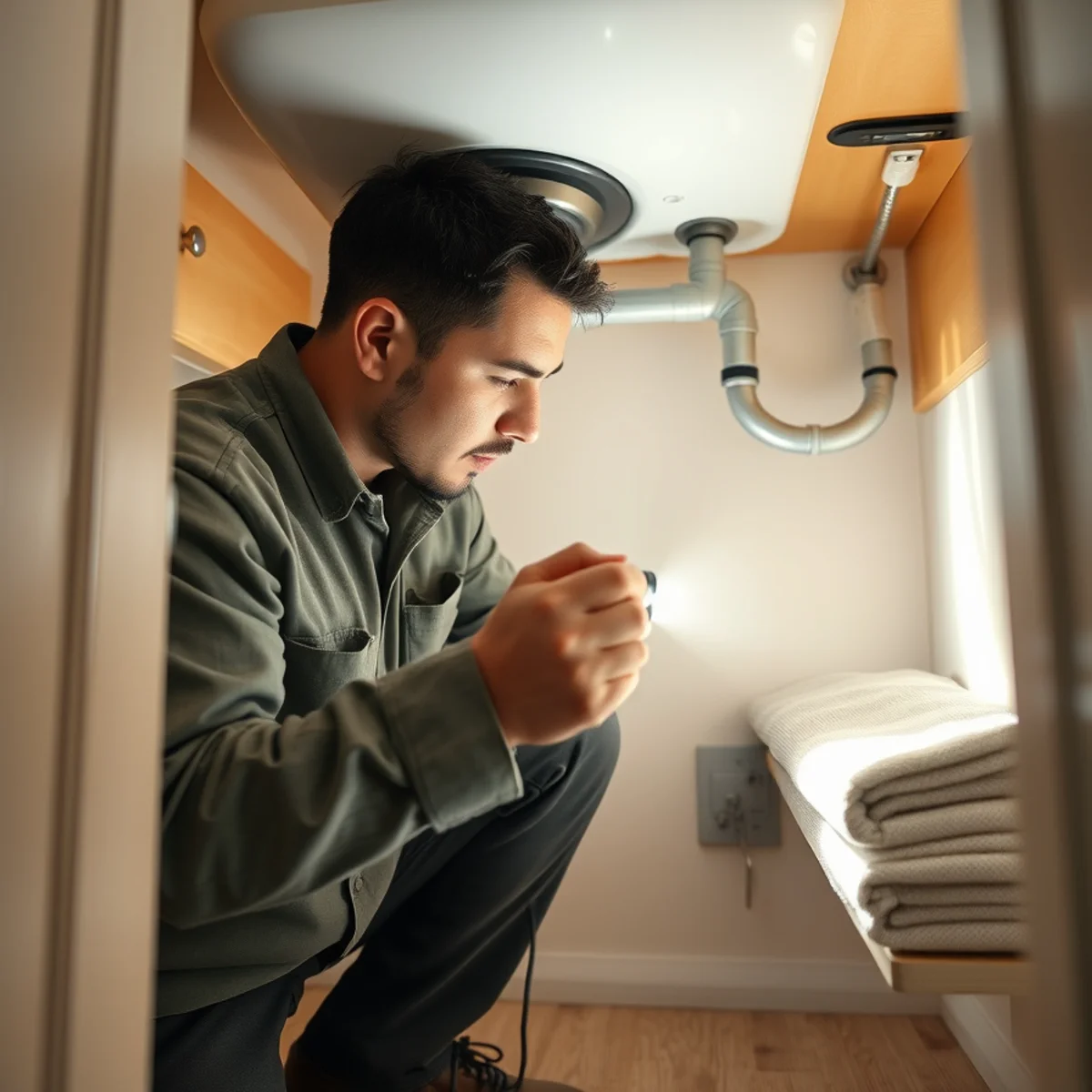
Open the cabinet under every sink in the house — kitchen, bathrooms, laundry, wet bar. With a flashlight, check for:
- Water stains, warped particleboard, or a musty smell at the cabinet floor.
- Moisture or drips at the supply-line connections and the shut-off valves.
- Corrosion or white mineral crust on fittings, a sign of a slow weep.
- A soft or discolored spot on the drywall behind the pipes.
- Dampness around the P-trap and drain connections.
Minutes 4 to 5: Toilets
Toilets are the most common hidden water-wasters in a home. For each one:
- Look at the base for water or a soft floor, which can mean a failing wax seal.
- Check the supply line and shut-off valve behind the toilet for moisture.
- Run the food-coloring test on at least one toilet a month: add a few drops to the tank, wait ten minutes without flushing, and see if color appears in the bowl. If it does, the flapper is leaking.
Minutes 6 to 7: Appliances and the water heater
Head to the appliances that use water and the heater that stores it:
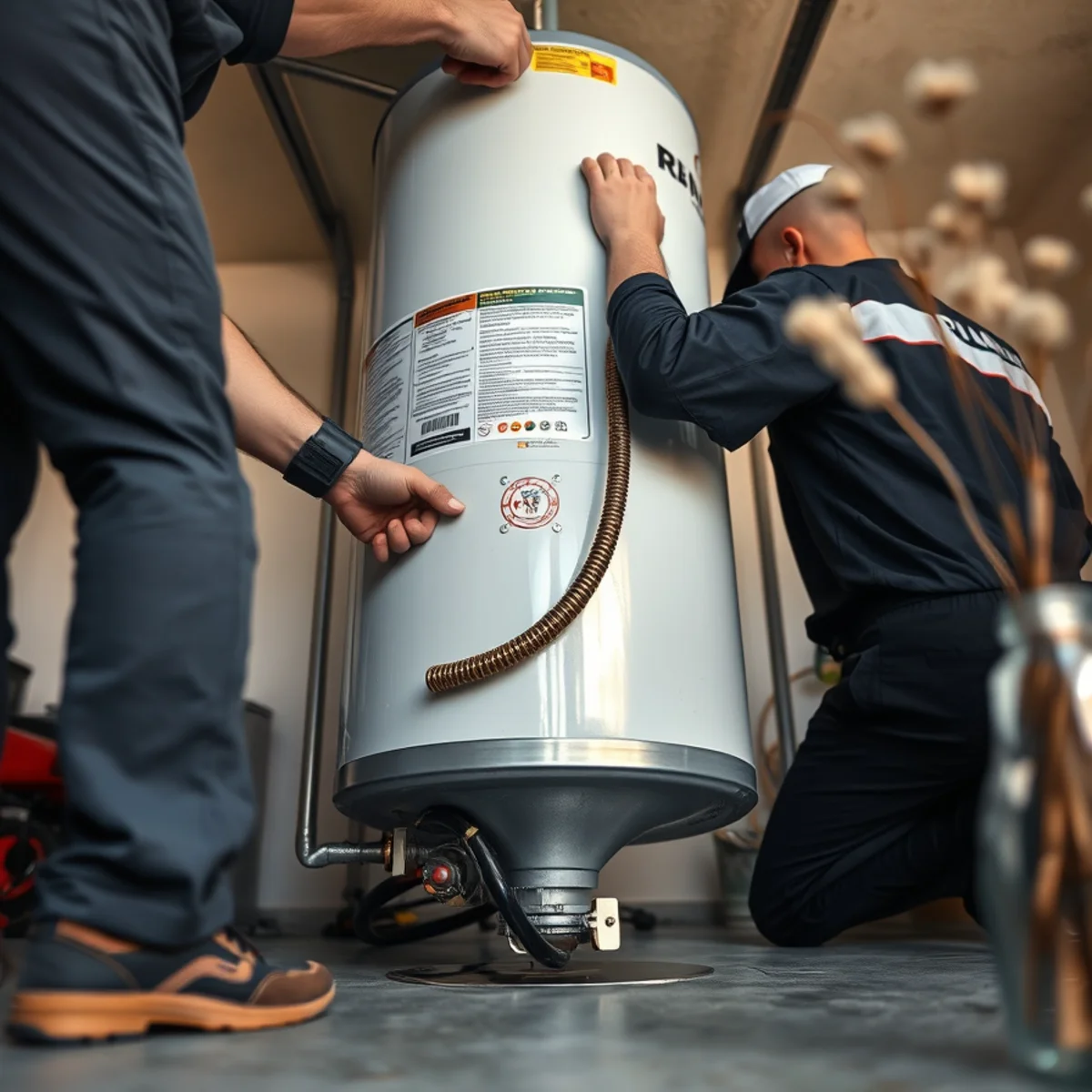
- Water heater — look for rust, moisture, or pooling at the base and around the top connections. A weeping tank is warning you it is near the end.
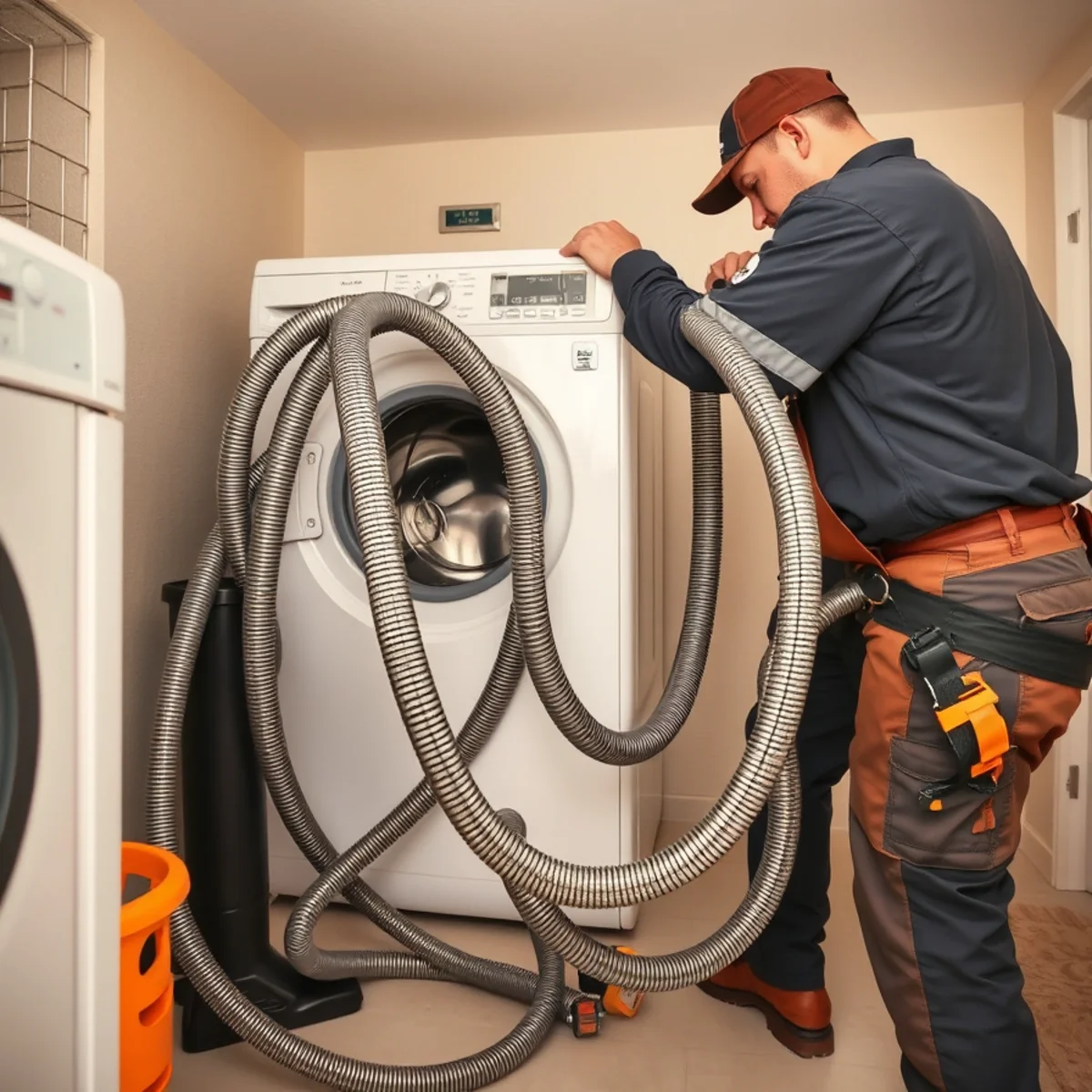
- Washing machine — check the hoses for bulging, cracking, or dampness at the connections.
- Dishwasher — look at the floor along its front edge and kick plate for water.
- Refrigerator — if it has an ice maker or water dispenser, check the line and the floor behind it.
Minutes 8 to 10: The meter and the exterior
Finish outside with a quick whole-house test:
- Make sure no water is running anywhere in the house.
- Find your water meter and check the leak indicator dial. If it is spinning with everything off, water is escaping somewhere.
- Walk the yard and look for unexplained soggy spots or unusually green patches that can signal an underground irrigation or service-line leak.
- Check exterior hose bibs for drips and the ground beneath them for constant moisture.
Feel the floor
While you walk the house, notice the floor under your feet. An unexplained warm spot on a tile or concrete floor can be an early sign of a slab leak — a hot-water line failing under the foundation. Note it and have it checked.
Water damage right now? Don't wait.
45-minute average dispatch across Murrieta • available 24/7 • licensed & insured
Write down what you see
The check works even better if you keep a simple record. Jot the date and anything you noticed — a fitting that looked a little crusty, a meter dial that seemed to creep, a faint musty smell under a sink — in a notes app or on a page taped inside a cabinet. Most issues are not emergencies the first time you spot them; they are trends. A fitting that shows a trace of corrosion in March and a bead of moisture in April is telling you a story, and a short log lets you read it before it becomes a leak. It also gives a plumber or restoration tech a head start if you do end up calling, because you can say exactly when something changed and how quickly.
When the walk-through finds something
Most months, the check turns up nothing, and that peace of mind is the point. When it does find something — a spinning meter with everything off, a warm floor spot, a stain that was not there last month — the next step is pinpointing the source before it becomes a bigger job. Our Murrieta team offers professional leak detection with acoustic and thermal tools that find hidden leaks without tearing up your home. If it is the water heater, we handle water heater leak cleanup, and if a leak has already caused damage, 24/7 emergency water removal and drying come first. We serve Copper Canyon, Central Park, and all of Murrieta. Found something you cannot explain? call our 24/7 team for water damage restoration in Murrieta.
Where to look, minute by minute
 1
 2
 3
 4
Frequently Asked Questions
A quick ten-minute walk-through once a month catches most slow leaks before they cause real damage. Doing it on the same day each month — like the first — makes it a habit you will actually keep.
Use your water meter. Turn off all water in the house, then watch the meter's leak indicator dial. If it moves with everything off, water is escaping somewhere. Reading the meter an hour apart with no water use confirms it.
A warm spot on the floor, the sound of running water with everything off, an unexplained jump in your water bill, or cracks in flooring. Because the leak is under the foundation, professional detection is the safe way to confirm and locate it.
It can be. Rust or pooling water at the base often means the tank is corroding and near failure. Have it inspected before it lets go, since a ruptured water heater can release its entire tank into your garage or utility room.
Written & reviewed by the Water Damage Restoration Murrieta team
IICRC-certified, licensed & insured water damage restoration professionals serving Murrieta and southwest Riverside County. Questions about your situation? Call (201) 277-9344 — we answer 24/7.
Serving these areas: