
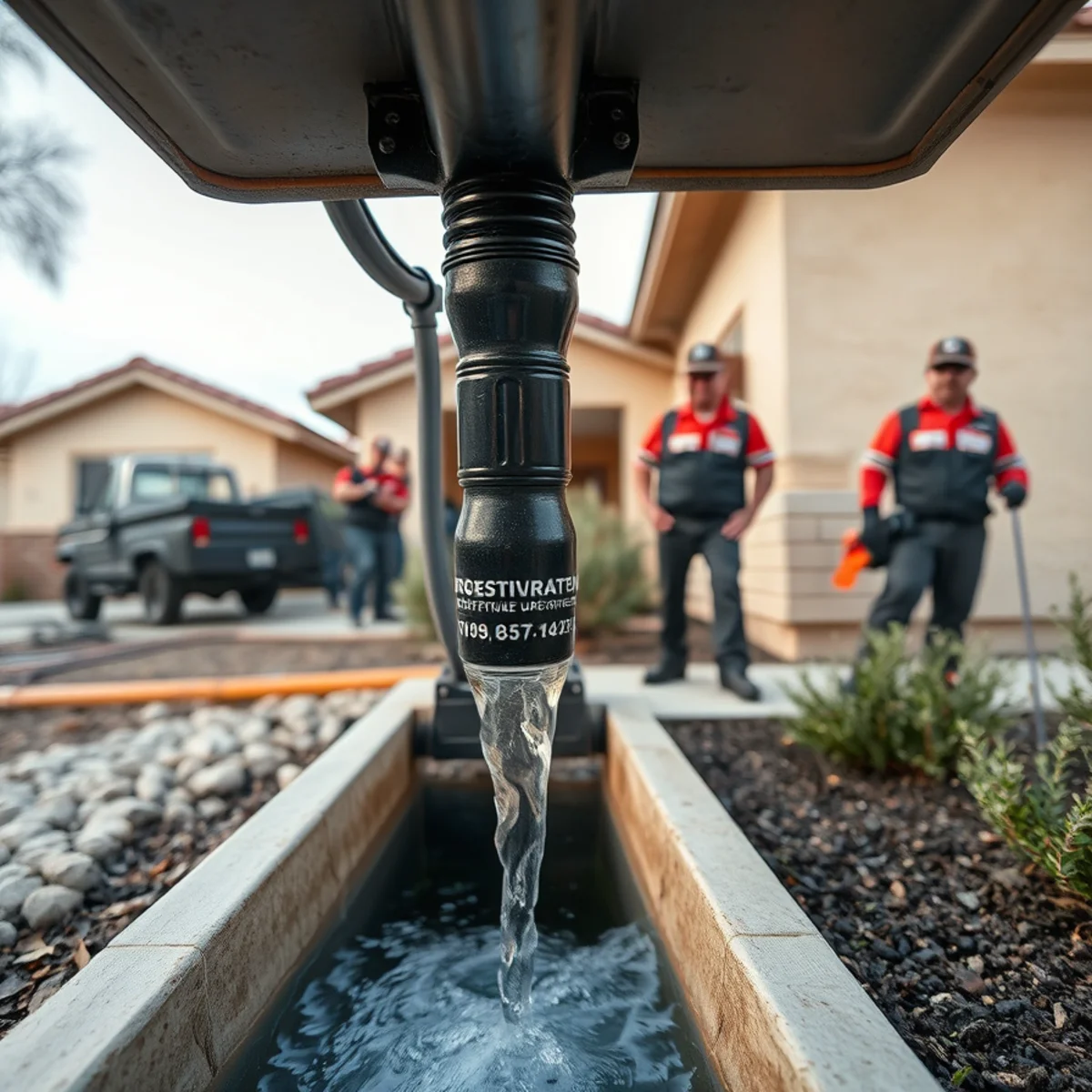
When storm water damages a home, the cause is usually not the roof itself — it is where the water went after it left the roof. Overflowing gutters, downspouts that dump at the foundation, and yards that slope the wrong way send thousands of gallons straight at your walls and slab. Getting drainage right is the highest-payoff storm prep there is, and it is mostly free. Homeowners tend to obsess over the roof and forget that the roof is only half the story — where the water goes after it lands is the other half, and it is the half that soaks foundations and walls. Here is a pre-rainy-season checklist for Inland Empire homes, from the gutters down to the grading.
Why drainage is the whole game
A roof on an average home sheds a remarkable amount of water in a storm — an inch of rain on a typical roof is well over a thousand gallons. All of it has to go somewhere. Working gutters and good grading carry it away from the structure. Clogged gutters and poor grading pool it against the foundation, where it wicks into the slab, seeps through cracks, and pushes into walls. Since Murrieta gets nearly all its rain in a few winter months, your drainage has to work when it counts. A dry-season afternoon of maintenance prevents the most common wet-season damage. And unlike a roof replacement or a repipe, none of it requires a big budget — the materials are splash blocks, downspout extensions, and a few bags of soil, measured in tens of dollars rather than thousands.
More water than you think
One inch of rain on a typical house roof produces over a thousand gallons of runoff. Your gutters and grading decide whether that water leaves — or leans against your foundation.
Gutters: clear and flowing
Start at the top. Before the rains:
- Scoop out leaves, needles, and grit from every run of gutter.
- Flush the gutters with a hose and watch that water runs to the downspouts without pooling.
- Check the slope — gutters should tilt slightly toward the downspouts, about a quarter inch every ten feet.
- Tighten loose hangers and reseal leaking seams and end caps.
- Look for sagging sections that hold standing water, and rehang them.
- Consider gutter guards if you have heavy tree cover, but know they still need occasional cleaning.
Downspouts: get water away from the house
Clearing the gutters is only half the job. The downspouts have to carry that water clear of the foundation:
- Confirm each downspout is clear — run water through and check it flows freely.
- Add extensions or splash blocks so water discharges at least four to six feet from the wall.
- Point discharge toward the street or a drainage swale, never toward the foundation or a neighbor's lot.
- Make sure underground downspout drains, if you have them, are not clogged with roots or debris.
- Check that no downspout empties where it will pool against the slab or a patio.
Yard grading and area drains
Finally, look at the ground itself:
- Walk the perimeter and check that soil slopes away from the house — a drop of about six inches over the first ten feet is the general target.
- Fill low spots next to the foundation where water can collect.
- Clear area drains, channel drains, and yard inlets of dirt and debris so they can accept water.
- Check that planters, flower beds, and hardscape do not trap water against the wall.
- Make sure any French drains or subsurface drains still flow — flush them if you can.
A quick test after the first rain
The best inspection happens during the first real storm. Put on a rain jacket and walk your property while it pours. Look for gutters overflowing at a corner, downspouts backing up, water sheeting toward the house instead of away, and puddles forming against the foundation. Ten minutes in the rain tells you more than an hour on a dry day, and it shows you exactly which fix to make before the next system.
Watch during the storm, fix after
You cannot see a drainage problem on a dry day. During the first storm, note where water misbehaves, then make those repairs in the next dry stretch. That single habit fixes most recurring leaks.
Water damage right now? Don't wait.
45-minute average dispatch across Murrieta • available 24/7 • licensed & insured
When to bring in help
Most drainage work on this list is do-it-yourself — a ladder, gloves, a hose, and a Saturday. But a few signs point to a problem bigger than a seasonal cleanup. If water pools against the foundation every storm no matter how clean the gutters are, the grading or a subsurface drain may need real correction. If a downspout empties into an underground pipe that gurgles or backs up, that buried line may be crushed or root-clogged. And if you see efflorescence — a white, chalky residue — or persistent damp along the base of an interior wall, water is already finding its way through. Those are worth a professional look before the next winter, because chronic foundation moisture is far more expensive to fix than a graded swale or a new downspout drain.
When water finds its way in anyway
Even good drainage can be overwhelmed by a big enough storm, a sudden clog, or a downspout that fails mid-downpour. When storm water gets inside, quick extraction and drying keep it from soaking into flooring and walls. Our Murrieta team provides storm damage cleanup, flood cleanup, and roof leak restoration to Creek Side, Warm Springs, and neighborhoods across Murrieta, 24/7 and to IICRC S500 standards. If a storm gets past your defenses, call our 24/7 team for water damage restoration in Murrieta.
Drainage checklist, point by point
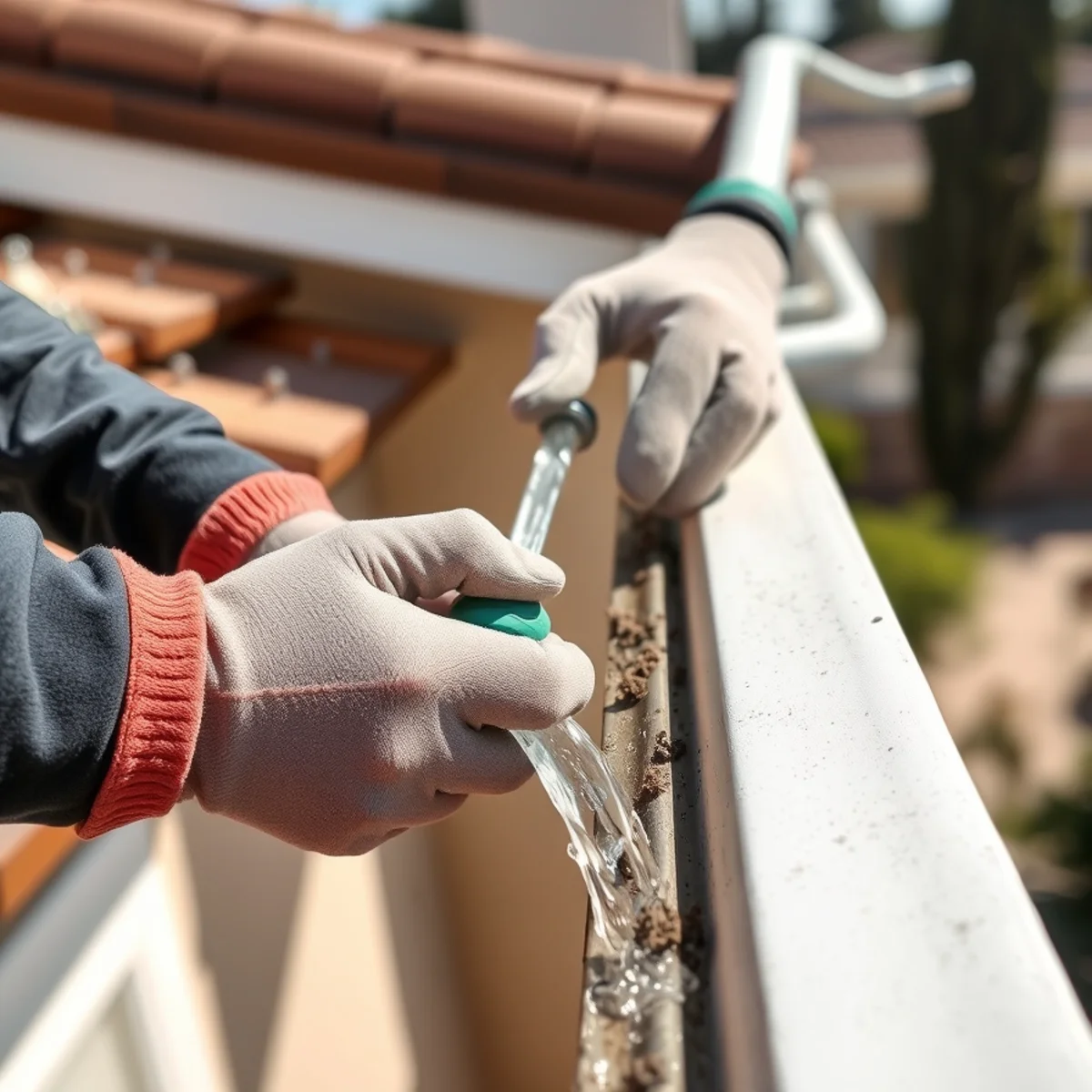 1
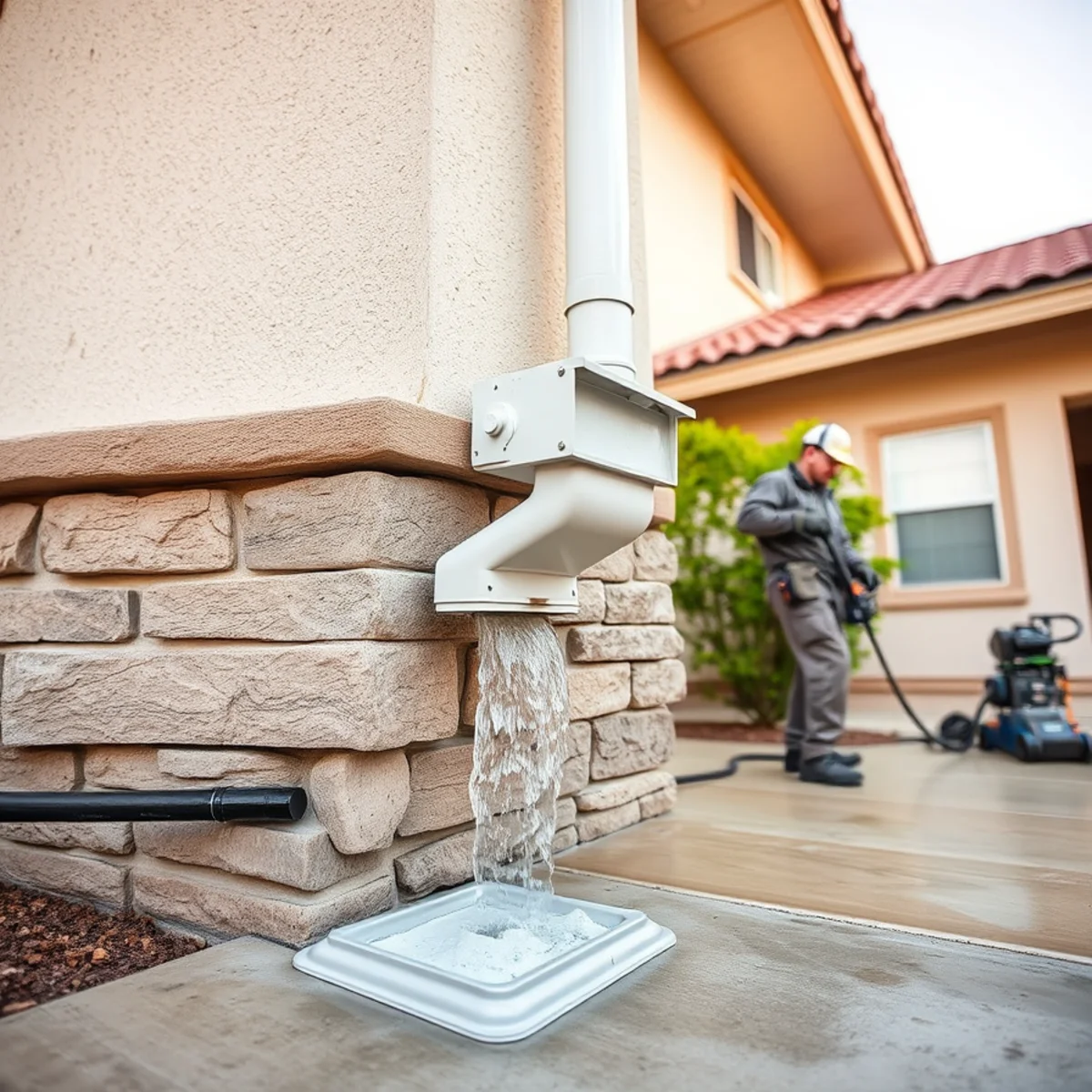 2
 3
 4
Frequently Asked Questions
At least once before the rainy season, in the fall, and again mid-winter if you have heavy tree cover. The goal is to have clear, flowing gutters before the first November storms, since nearly all local rain falls between then and March.
At least four to six feet from the foundation. Downspouts that release right at the wall push water against the slab, where it can seep in. Extensions and splash blocks are cheap and solve the problem.
Watch during a storm, or run a hose near the foundation and see which way water flows. Soil should slope away from the house, dropping about six inches over the first ten feet. Low spots against the wall should be filled.
Walk your property during the first heavy rain. Overflowing gutters, backed-up downspouts, and puddles against the foundation are obvious when it is pouring and nearly invisible on a dry day. Note them and fix them before the next storm.
Written & reviewed by the Water Damage Restoration Murrieta team
IICRC-certified, licensed & insured water damage restoration professionals serving Murrieta and southwest Riverside County. Questions about your situation? Call (201) 277-9344 — we answer 24/7.
Serving these areas: