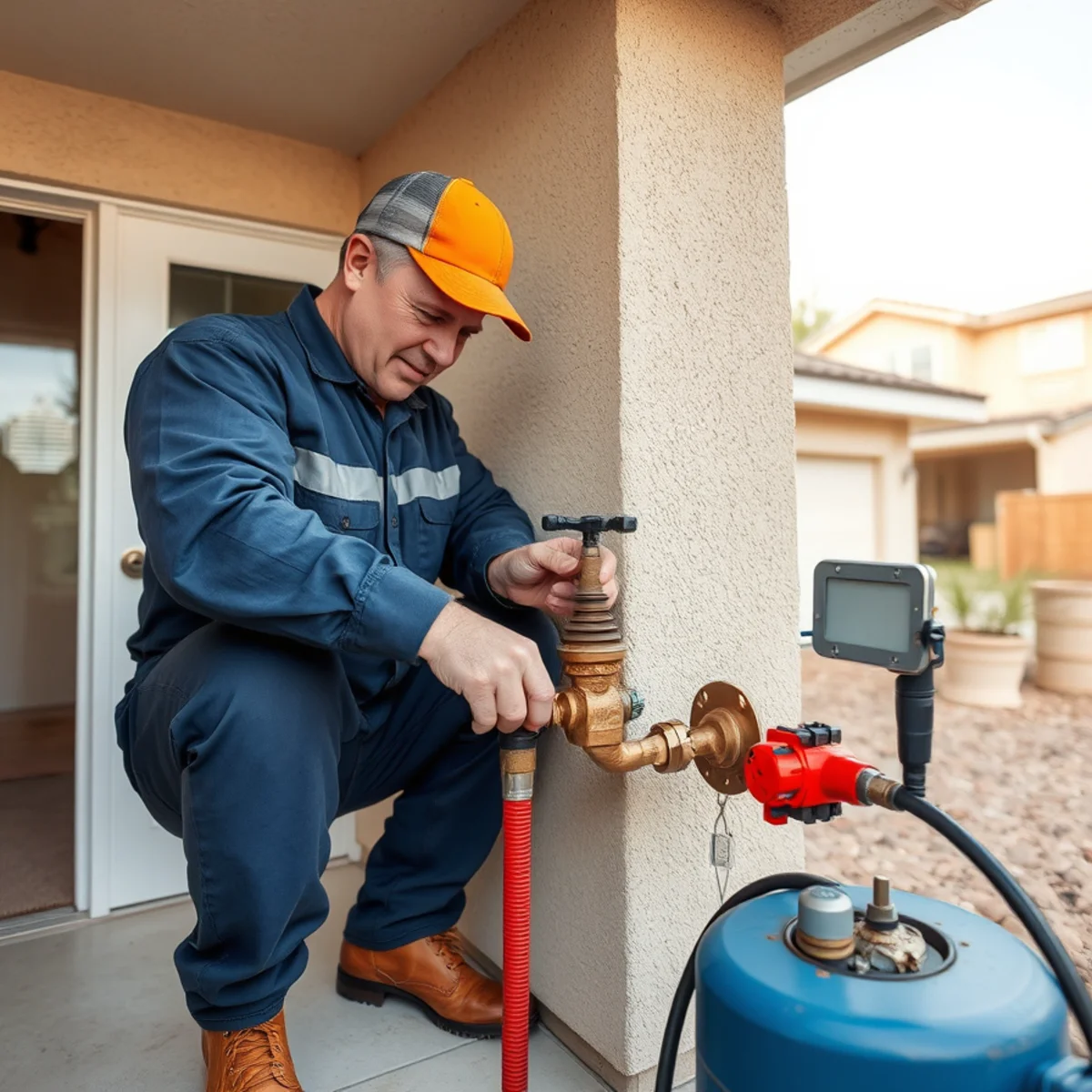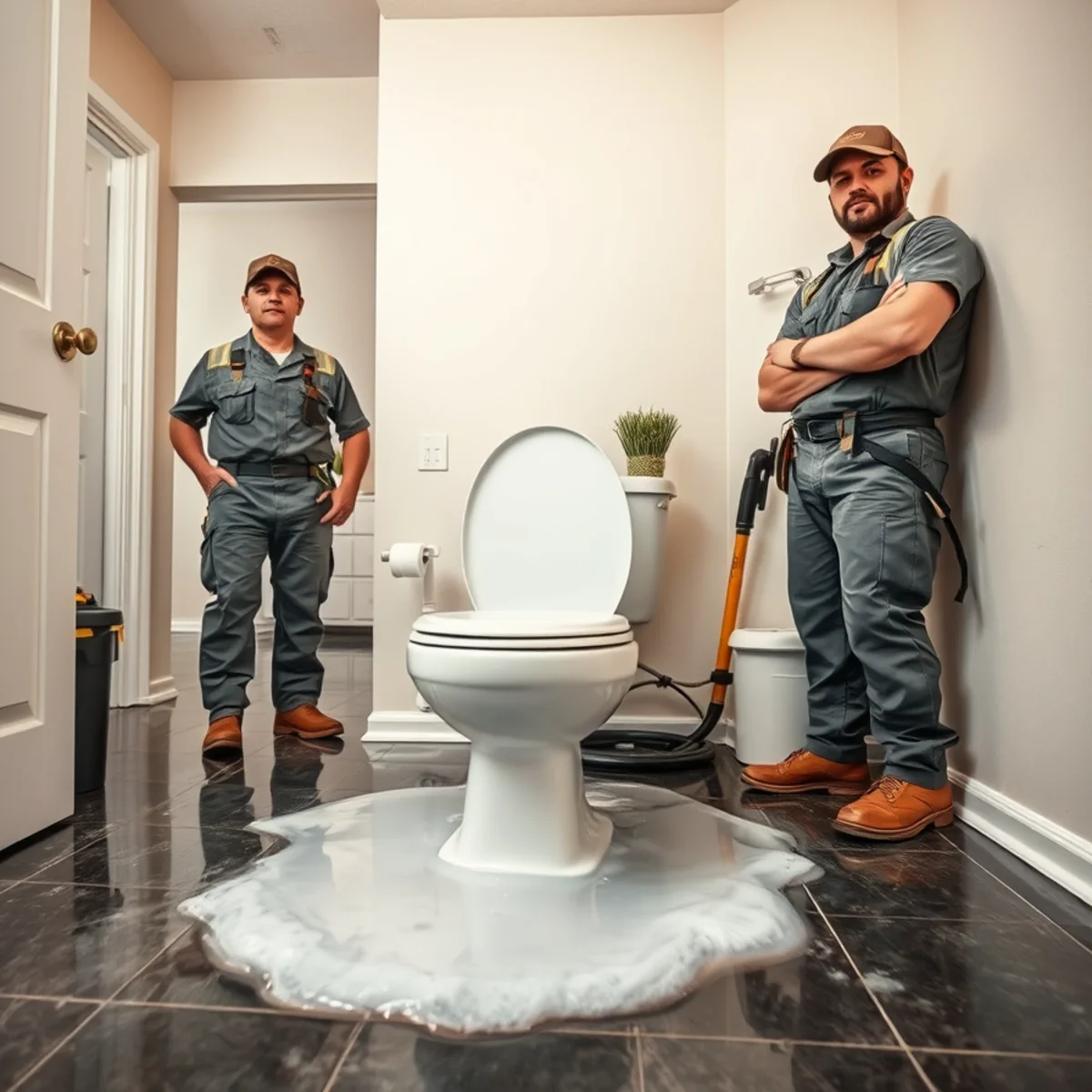
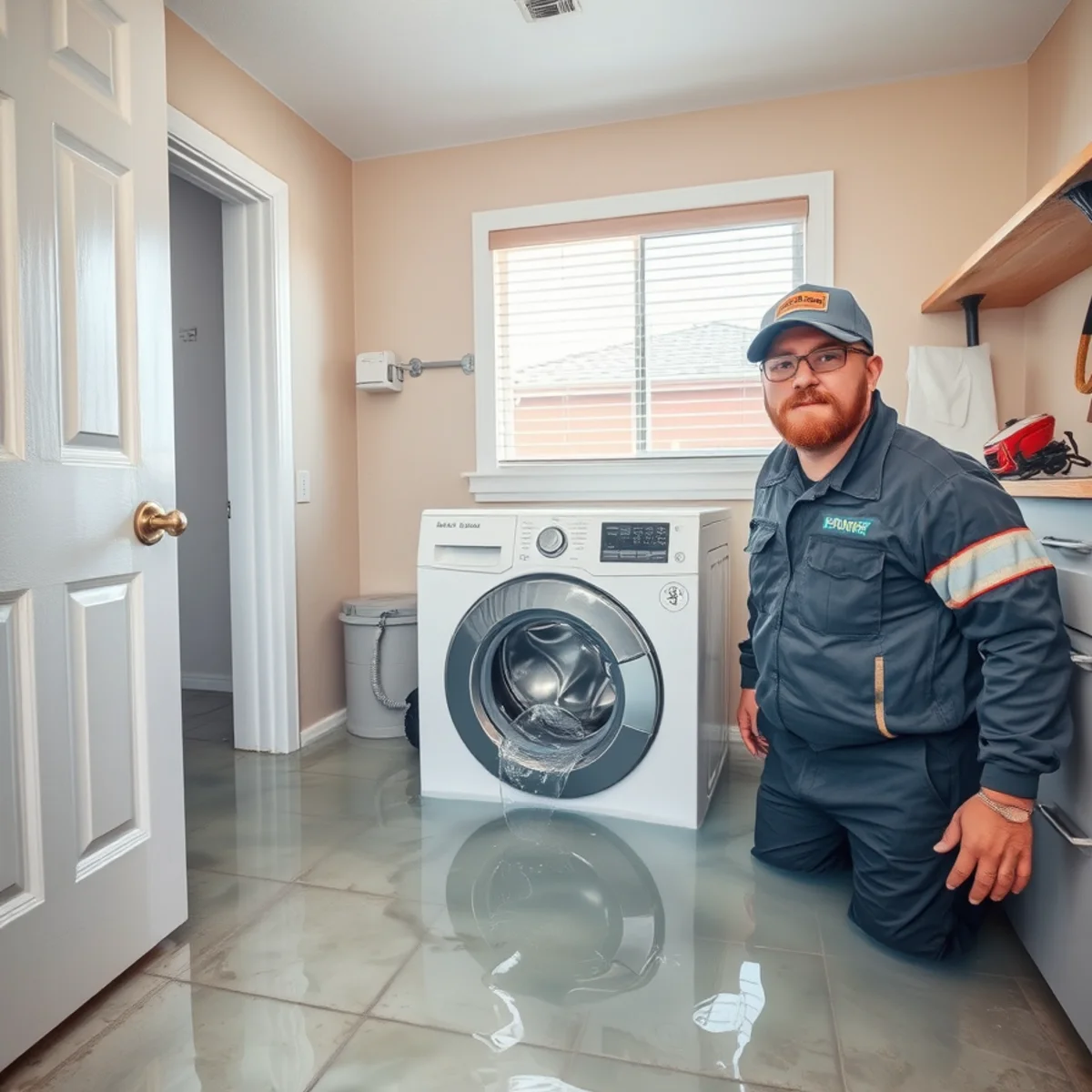
You walk into the laundry room and water is spraying or pouring from behind the washing machine. A supply hose has let go, and unlike a drain that only runs during a cycle, these lines are under pressure every minute of every day.
That is what makes them so destructive. A failed washing machine supply line can release several gallons a minute, and if it happened while you were at work or asleep, that is potentially hundreds of gallons. When the laundry is on a second floor or over a finished room, the water does not just spread across the floor — it comes through the ceiling below.
Here are five steps to limit the damage. Do them in order.
Step 1: Shut off the water
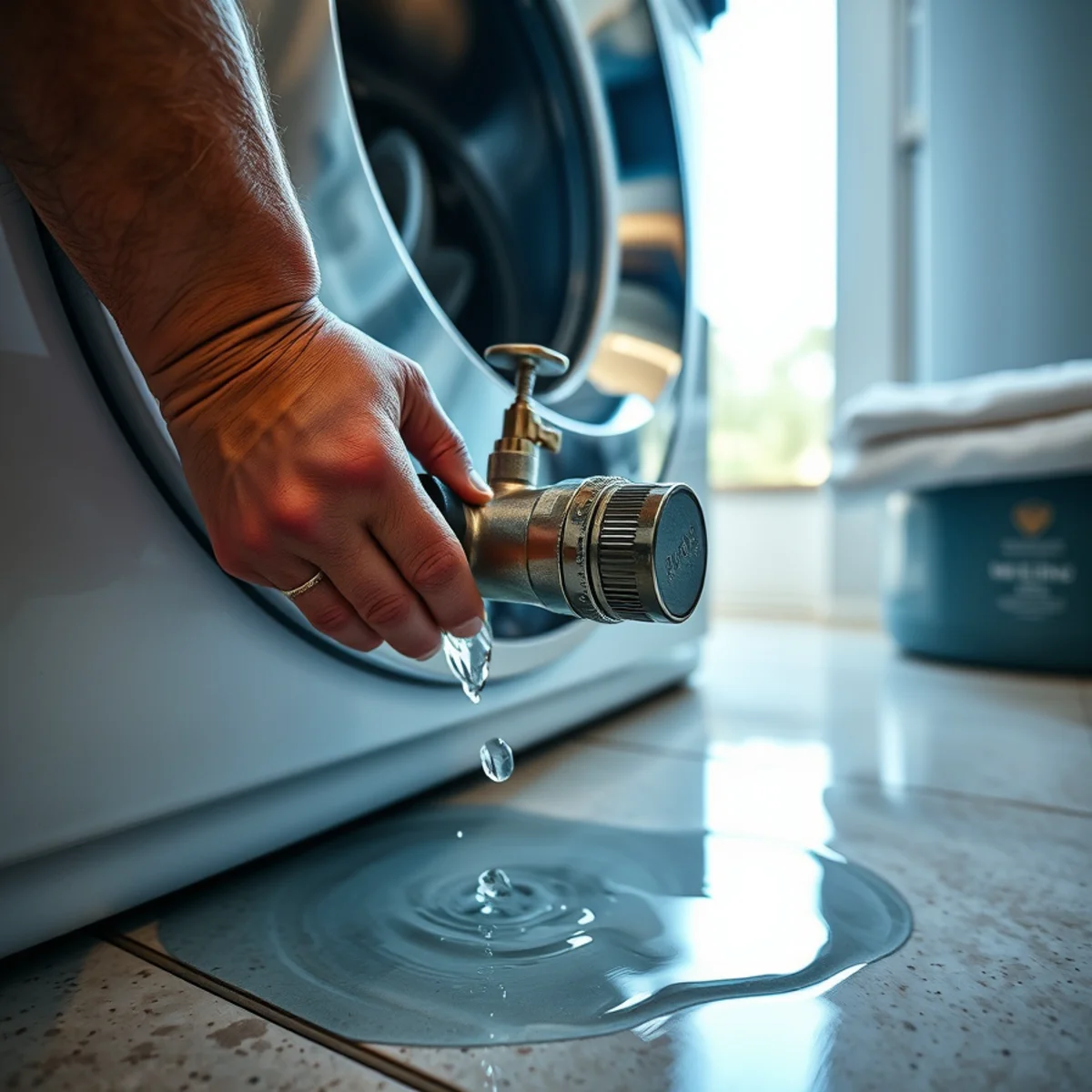
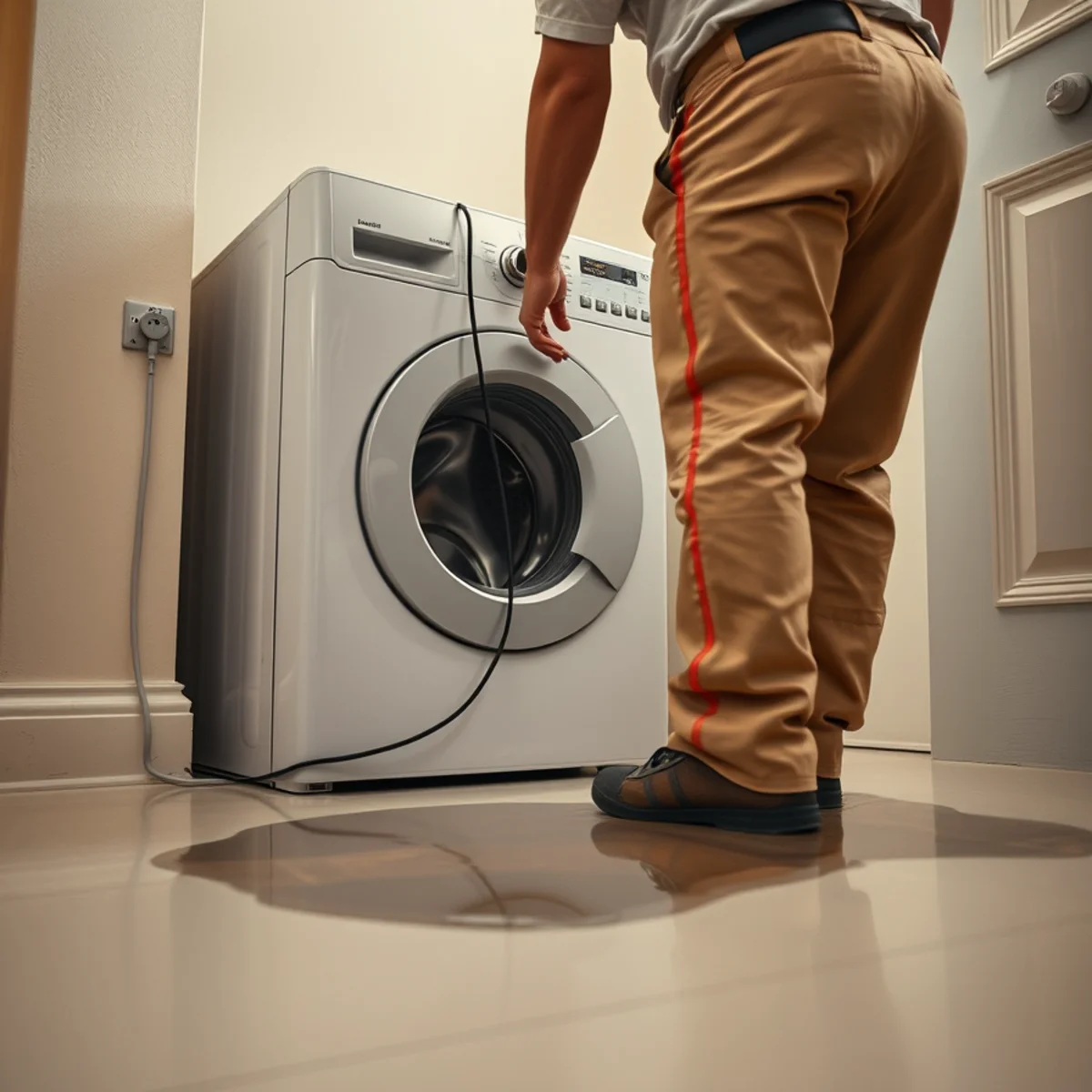
Reach behind the machine and turn off the two supply valves — the hot and cold — clockwise until they stop. If they are corroded, stuck, or you cannot reach them safely through the spray, go straight to your home's main water valve. Stopping the flow is the whole ballgame here; everything else is cleanup.
Some older Murrieta homes have a single-lever laundry box that shuts both hot and cold at once — flip it down and you are done. If yours has two separate valves and one is seized, do not fight it and get soaked; go straight to the main instead.
Step 2: Unplug the machine
If the outlet is in a dry, safe spot, unplug the washer. If water has reached the outlet or the cord, do not touch it — shut off that circuit at the breaker instead, or leave it for the crew. Never reach into water to pull a plug.
Step 3: Pull the water back before it spreads
- Get towels and a wet/dry vac on the leading edge to keep water out of the hallway and adjacent rooms.
- Pull the machine away from the wall if you can do so safely, so water is not trapped behind and under it.
- Lift any baskets, detergent boxes, and storage off the floor.
- Prop the door open and get air moving through the room.
Step 4: Check the room below and the adjacent walls
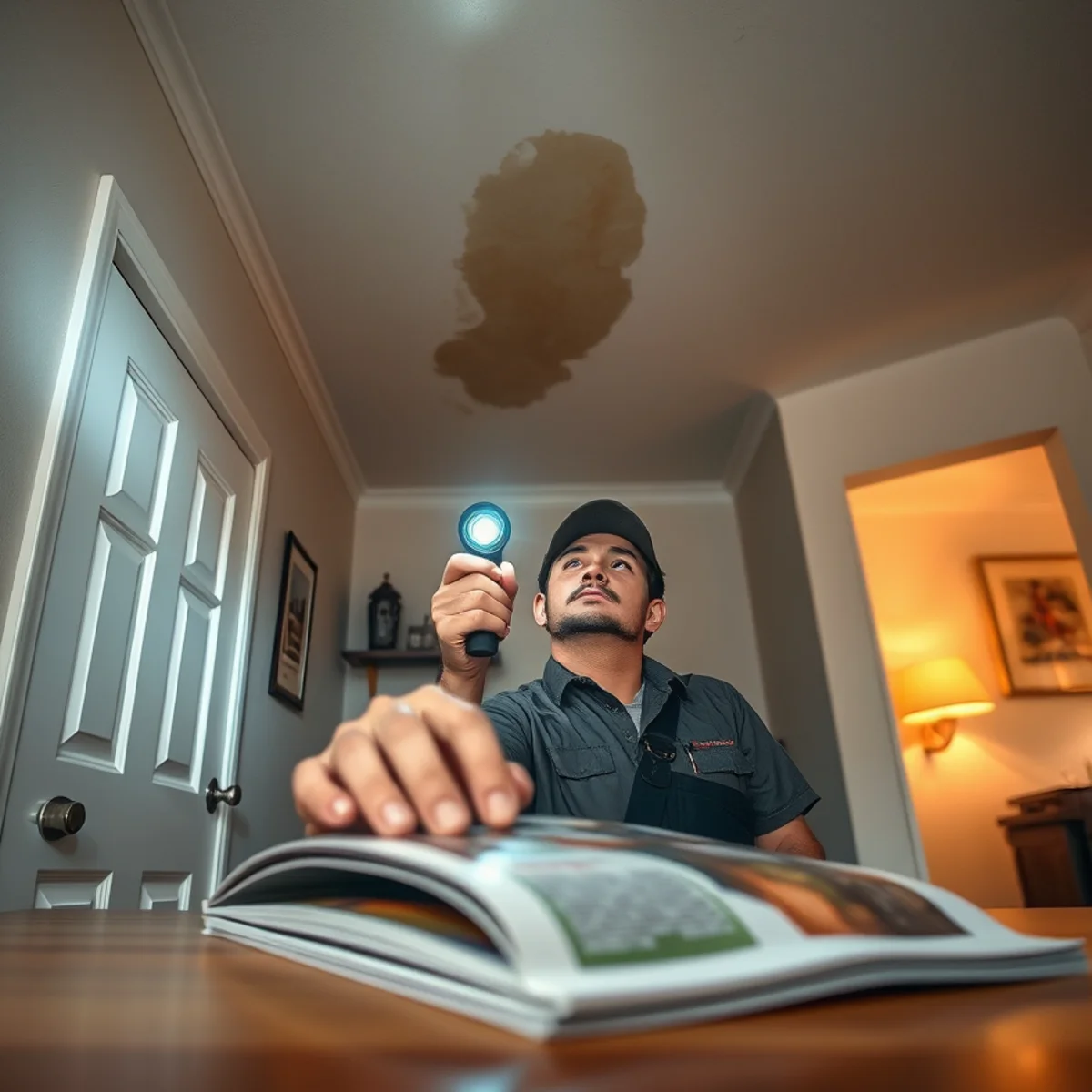
This is the step people skip. If your laundry is upstairs, go look at the ceiling directly below — a spreading stain or a bulge means water is already collecting there and needs to be relieved. Feel the base of the shared walls and the adjacent flooring. Water travels along the subfloor and into wall cavities well beyond the puddle you can see, which is exactly where it hides and grows mold in 24 to 48 hours.
If the laundry sits over a garage or a finished room, water is almost certainly tracking down through the floor. Do not wait to confirm it with your own eyes — assume the ceiling underneath is getting wet, and tell the crew so we can relieve any pooling before it lets go.
Braided steel hoses, and replace them on a schedule
The rubber hoses that come with many machines are the ones that fail. Upgrade to braided stainless steel lines, and replace supply hoses every five years regardless of type. Turning off the valves when you are away for a while is cheap insurance too.
Step 5: Call for extraction and drying
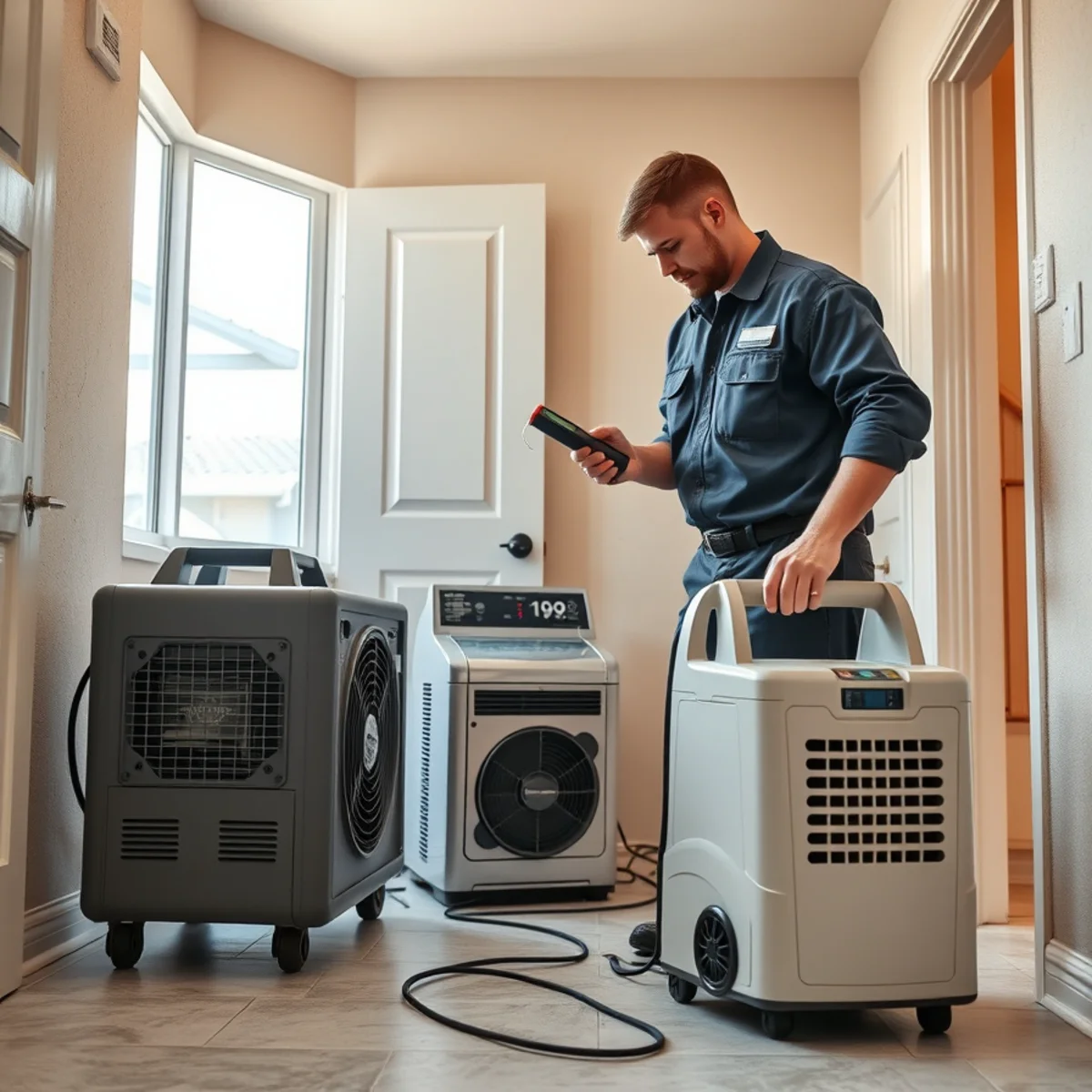
A shop-vac gets the visible water. It does not get the water in the pad, the subfloor, the wall base, or the ceiling below. Our crews arrive with truck-mounted extraction, pull the trapped water, and set air movers and dehumidifiers to dry the structure back to normal moisture levels. Fast, thorough water extraction is the difference between a two-day dry-out and a torn-out wall.
Water damage right now? Don't wait.
45-minute average dispatch across Murrieta • available 24/7 • licensed & insured
We respond to laundry-room floods across Murrieta neighborhoods like Mapleton and Central Park 24/7, and we handle both the water removal and the structural drying that follows. For a longer-term fix, our guide on when to replace hoses, heaters, and supply lines covers the ages that matter.
How to prevent the next burst
- Replace rubber supply hoses with braided stainless steel lines.
- Swap any supply hose older than five years, even if it still looks fine.
- Shut the laundry valves off when you travel or leave for a long weekend.
- Leave a few inches between the machine and the wall so hoses are not kinked.
- Add a simple leak sensor or an automatic shutoff behind the machine.
None of this is expensive, and any one of these steps could have prevented the flood you are cleaning up today.
A burst supply line is one of the most common indoor floods we see, and also one of the most preventable. Shut the water off fast, check the room below, and get the hidden moisture professionally dried. Call our team the moment the flow is stopped.
The 5 steps at a glance
 1
 2
 3
 4
 5
Frequently Asked Questions
The standard rubber hoses degrade with age and are under constant water pressure, so a weak spot eventually gives way — often when no one is home. Braided stainless steel hoses last longer, but every supply hose should be replaced on a schedule.
A supply line can release several gallons a minute, and because it is pressurized around the clock, an undetected failure can put out hundreds of gallons before anyone notices. That is why shutting the valves off is the first and most important step.
Not necessarily. Water travels into the pad, subfloor, and wall base well beyond the visible puddle and can stay there for weeks. We confirm dryness with moisture meters rather than by eye, because hidden moisture is what grows mold.
Every five years is a good rule, and sooner if you see cracking, bulging, or rust at the fittings. Upgrading to braided stainless steel and shutting the valves when you travel both lower the odds of a burst.
Written & reviewed by the Water Damage Restoration Murrieta team
IICRC-certified, licensed & insured water damage restoration professionals serving Murrieta and southwest Riverside County. Questions about your situation? Call (201) 277-9344 — we answer 24/7.
Serving these areas: