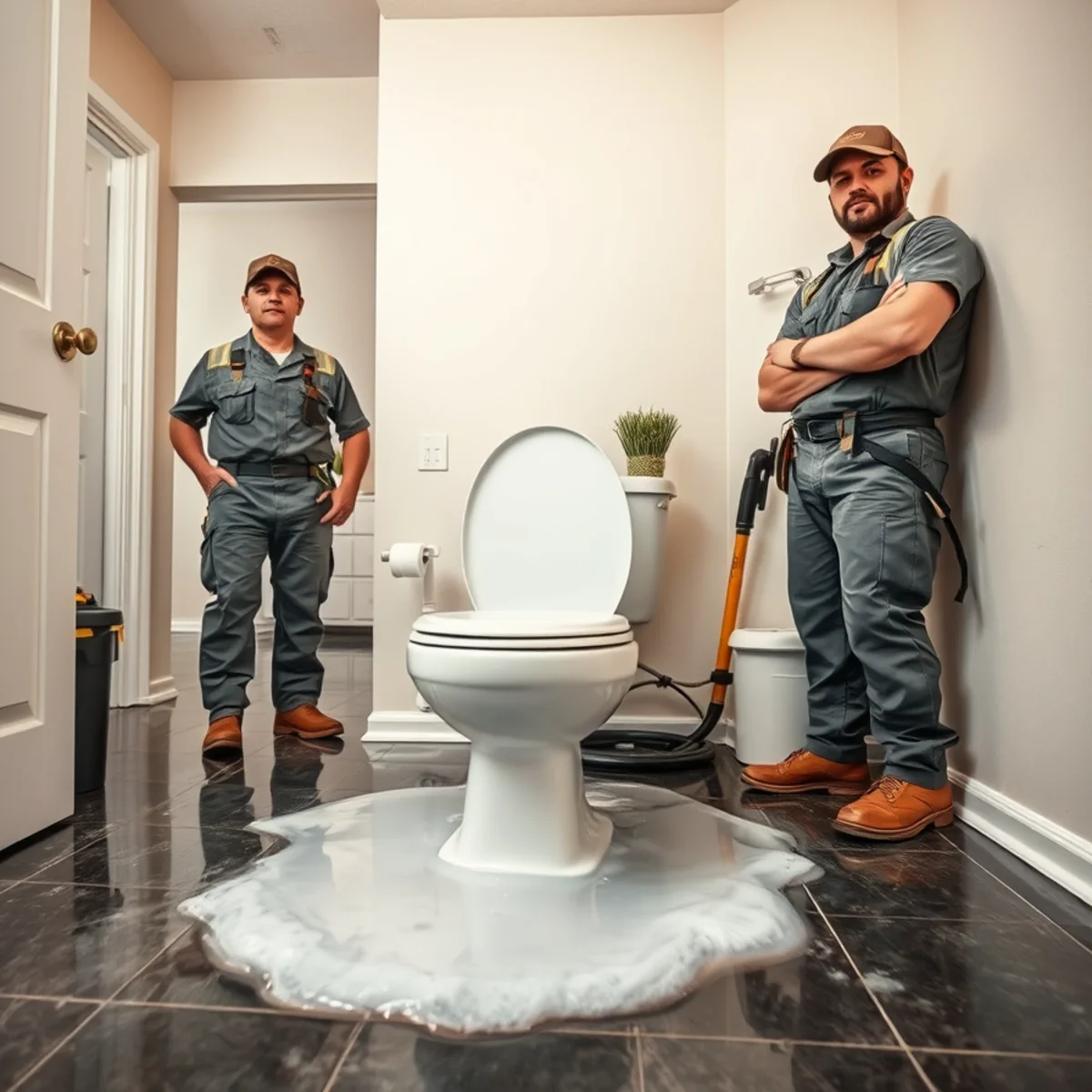
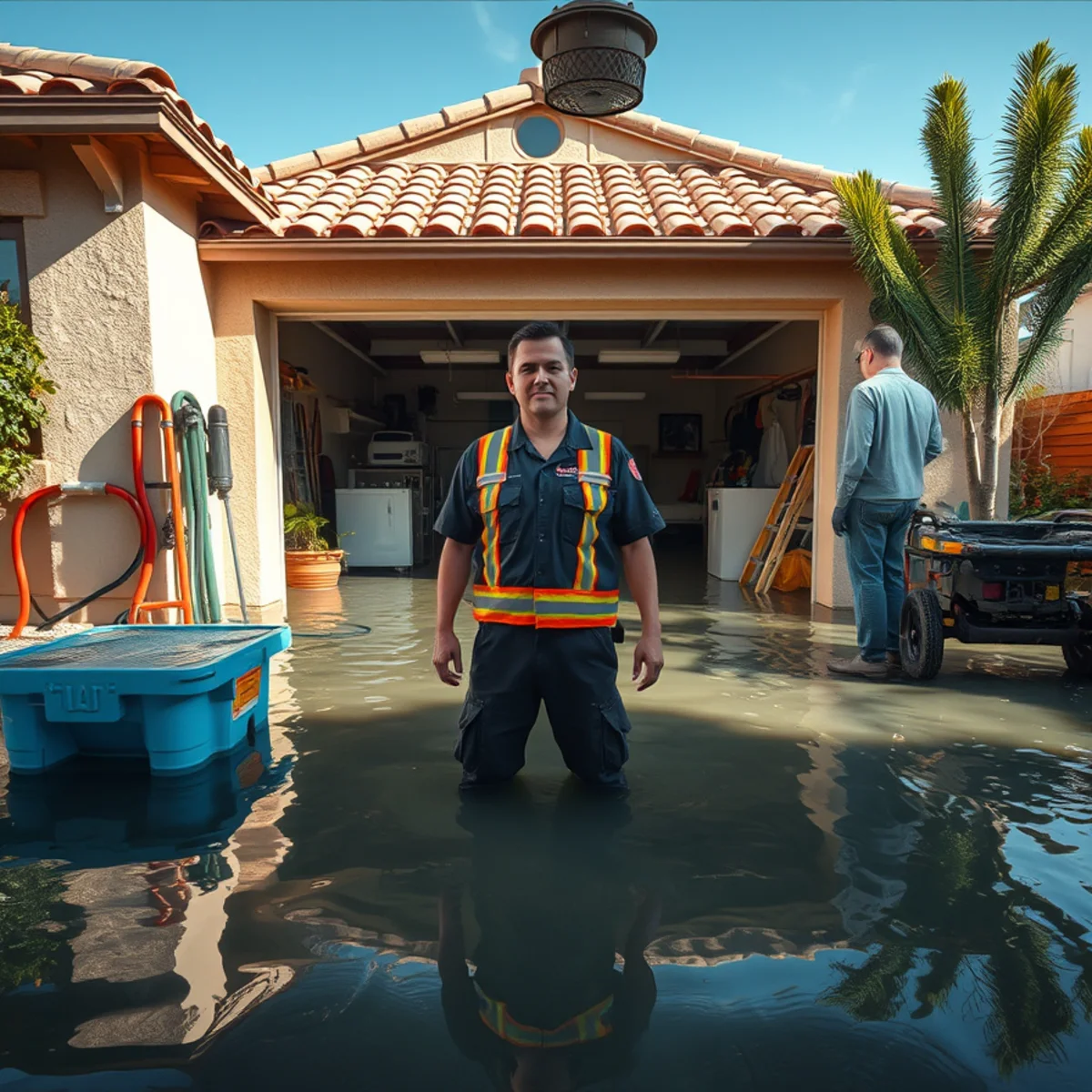
You open the garage door and find a spreading pool of water with your water heater sitting in the middle of it. Maybe the tank finally rusted through, maybe a fitting let go. Either way, 40 or 50 gallons are now on the floor and creeping toward the drywall, the storage boxes, and the door into the house.
A garage feels like a safe place to flood, but it rarely is. That water wicks into the bottom of the drywall and the wood framing, turns cardboard boxes to mush, and slips under the threshold into the hallway or laundry room. If your water heater sits in an interior closet instead, the stakes are even higher.
Here is what to do, in order, before our crew arrives. Move quickly but stay safe — a water heater involves gas or electricity and water that may still be scalding hot.
Step 1: Shut off the water to the tank
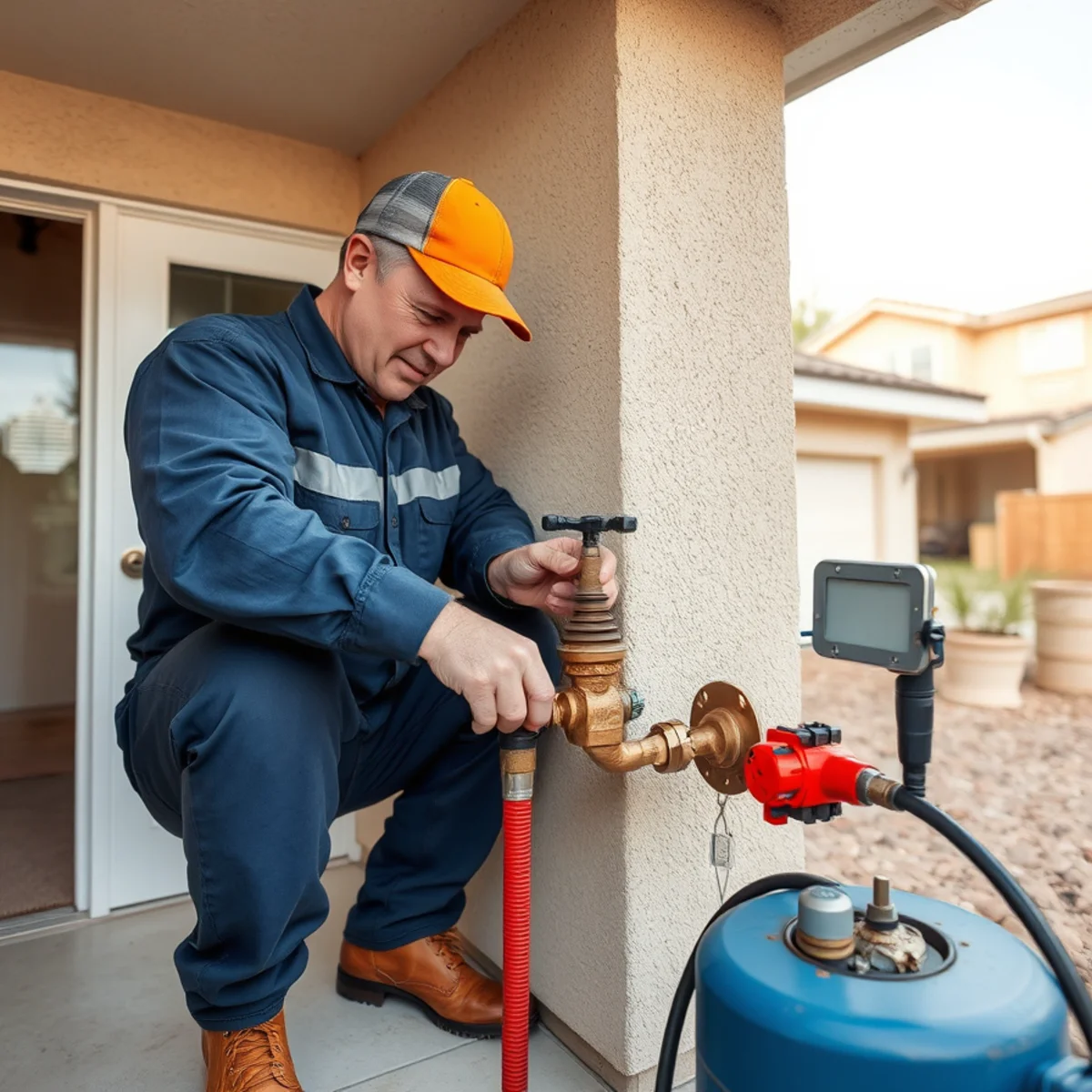
Find the cold-water supply line running into the top of the heater and turn its shutoff valve clockwise until it stops. That isolates the tank without cutting water to the rest of the house. If there is no valve there, or it will not budge, shut off your home's main water valve instead.
Step 2: Turn off the gas or the electricity to the heater
Smell gas? Leave first
If you smell gas, get out of the garage, do not touch any switches, and call your gas utility from outside. For a normal shutoff on a gas unit, turn the gas control knob to Off. For an electric unit, switch off its dedicated breaker — never while standing in water.
A water heater keeps trying to heat whatever is left in the tank. On a gas unit, turn the gas control valve to Off. On an electric unit, flip its breaker in the panel. Reaching an empty or damaged tank that is still firing is how you end up with a bigger problem, so do this early — from a dry spot.
Step 3: Respect the hot water
The water on your floor may still be hot enough to scald. Give it time to cool before you wade in, keep kids and pets out of the garage, and wear closed shoes rather than sandals.
Step 4: Get water and belongings moving
- Squeegee or push water toward the garage floor drain or out the door if you have a safe path.
- Lift boxes, tools, and anything on the bottom shelves up off the floor before they soak through.
- Pull items away from the wet drywall so they are not sitting against it as it wicks moisture upward.
- Open the garage door for airflow while you wait for the crew.
Step 5: Document it, then call for extraction and drying
Photograph the tank, the water line, and the flooded area before you clean up — your adjuster will want to see it. Then call for help. A shop-vac gets the puddle, but water has already traveled under the sill plate and into the base of the walls where it will sit for weeks unless it is dried properly.
Water damage right now? Don't wait.
45-minute average dispatch across Murrieta • available 24/7 • licensed & insured
Why a wet garage still needs professional drying
Garage drywall usually runs right down to the slab, so the bottom few inches act like a wick. The wood framing, the sill plate, and any shared wall with the house all pull moisture in. In our dry Murrieta climate the surface looks fine within a day, but the framing behind it can stay wet long enough to grow mold. Our water heater leak cleanup service extracts the water, opens and dries the affected wall base, and monitors moisture with meters until the readings are back to normal.
We respond to failed water heaters across The Colony, Copper Canyon, and the rest of Murrieta 24/7, and our crews are IICRC-certified for both the water removal and any resulting mold work.
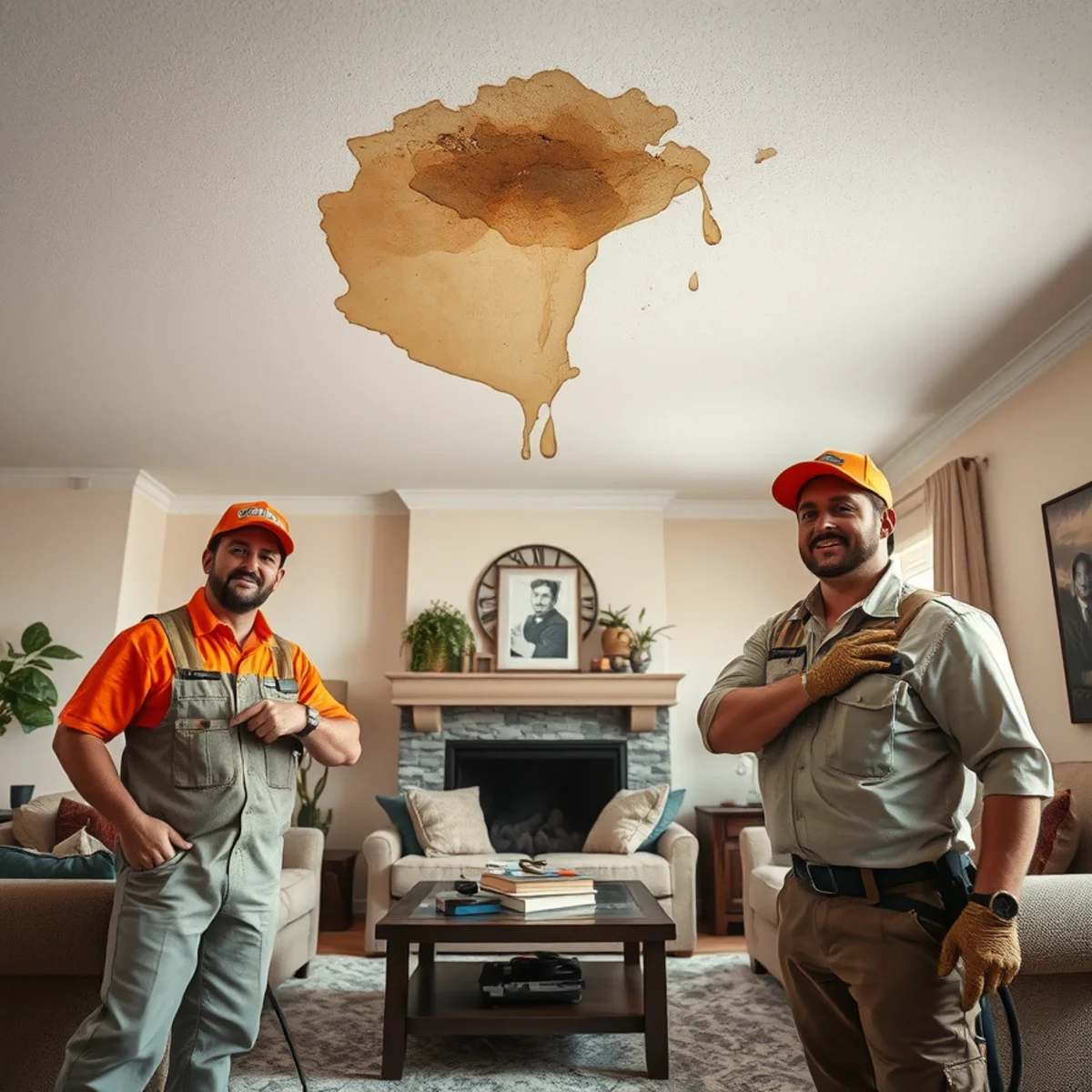
Interior-closet water heaters raise the stakes. When the tank sits in a hallway or laundry closet instead of the garage, the same failure floods finished flooring and shared walls directly, and the water spreads into living space rather than toward a floor drain. If that is your setup, treat even a small puddle at the base as a call-now situation.
How long the water sat matters just as much. A tank that let go while you were at work has had hours to wick up the drywall and soak the sill plate, so we plan the drying around the worst-case hidden moisture, not just the puddle you happened to find.
How to keep it from happening again
- Know the age of your tank. Most last 8 to 12 years, and Murrieta's hard water shortens that by building scale inside the tank.
- Make sure the heater sits in a drain pan piped to a drain or the exterior, so the next slow leak has somewhere to go.
- Confirm the tank is double-strapped to the wall — California requires it, and a strapped tank is far less likely to fail in a quake.
- Flush the tank once a year to clear the hard-water sediment that accelerates corrosion.
A flooded garage is stressful, but a water heater failure is one of the most manageable emergencies if you act fast. Kill the water and the fuel source, stay clear of hot water and live circuits, and get the structure professionally dried. Call our Murrieta team and we will handle the rest.
Frequently Asked Questions
Rusty or discolored hot water, popping or rumbling sounds from sediment, moisture or corrosion around the base, and simple age past 10 years are all warning signs. In Murrieta's hard water, tanks tend to reach the end of their life on the earlier side.
The surface will look dry quickly, but the wall base, framing, and any shared wall with the house often stay wet underneath. That hidden moisture is what leads to mold and rot, which is why we dry with meters rather than by eye.
The sudden water damage from a ruptured tank is often covered, though the cost to replace the heater itself usually is not. Photograph everything and check your policy, or read our overview of California water damage coverage.
For a routine shutoff, turning the gas control knob to Off is fine. But if you smell gas, do not touch switches or the knob — leave the garage and call your gas utility from outside first, then call us for the cleanup.
Written & reviewed by the Water Damage Restoration Murrieta team
IICRC-certified, licensed & insured water damage restoration professionals serving Murrieta and southwest Riverside County. Questions about your situation? Call (201) 277-9344 — we answer 24/7.
Serving these areas: