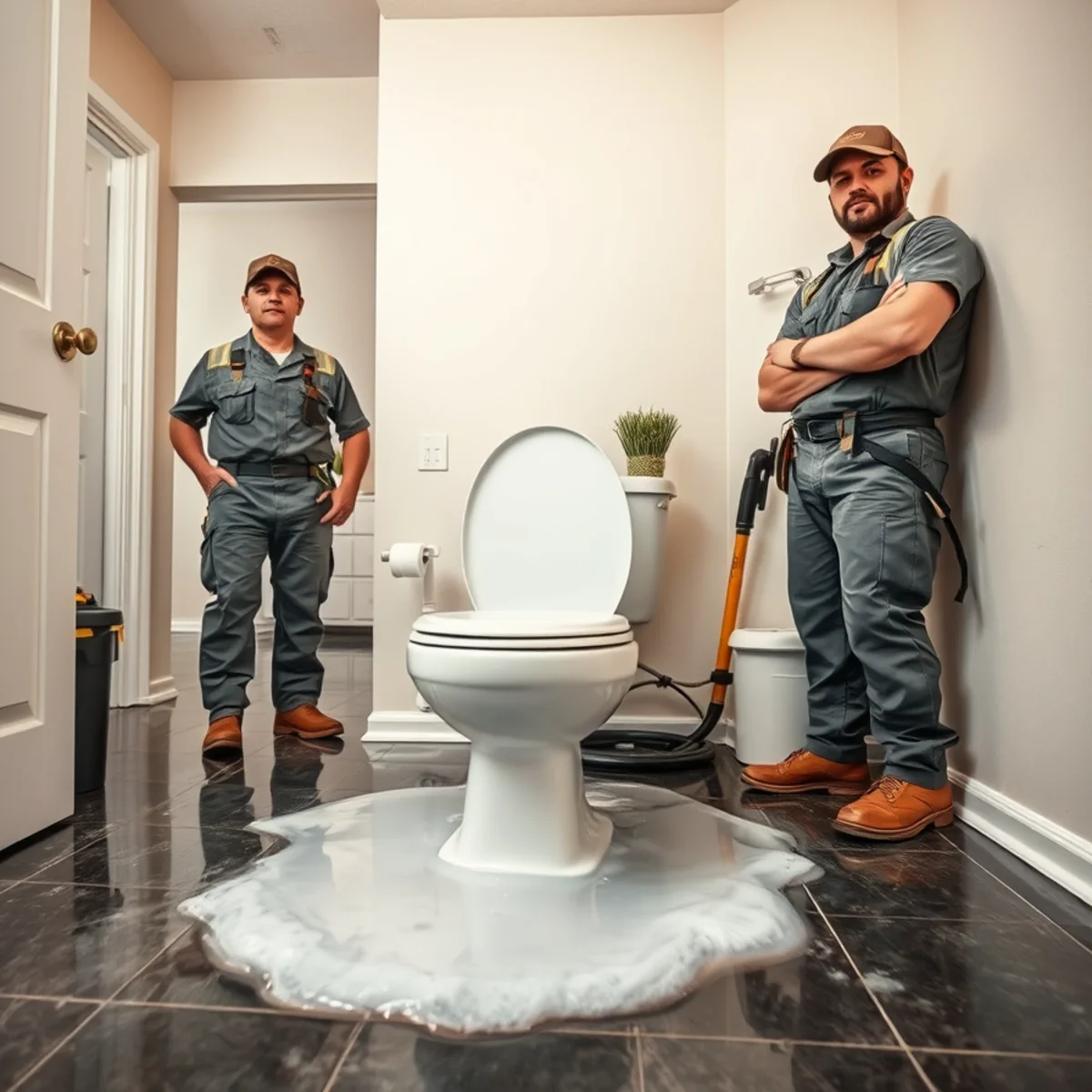
The water in the bowl is rising, not draining, and it is about to go over the rim. Your first instinct is to flush again — do not. That only sends more water toward the floor.
Most toilet overflows are messy but harmless. Some are a genuine health hazard. The difference comes down to where the water is coming from: a clean-water clog in the bowl is one thing, but water backing up out of the drain from the sewer line is another entirely. That second kind is what restoration pros call Category 3, or black water — it carries bacteria and waste, and it is not safe to mop up like a spill.
Here is how to stop the overflow, tell the two apart, and know who to call.
Stop the overflow right now
- Take the lid off the tank and push the rubber flapper down at the bottom of the tank. That stops more water from entering the bowl immediately.
- Lift the float or hold it up to stop the tank from refilling.
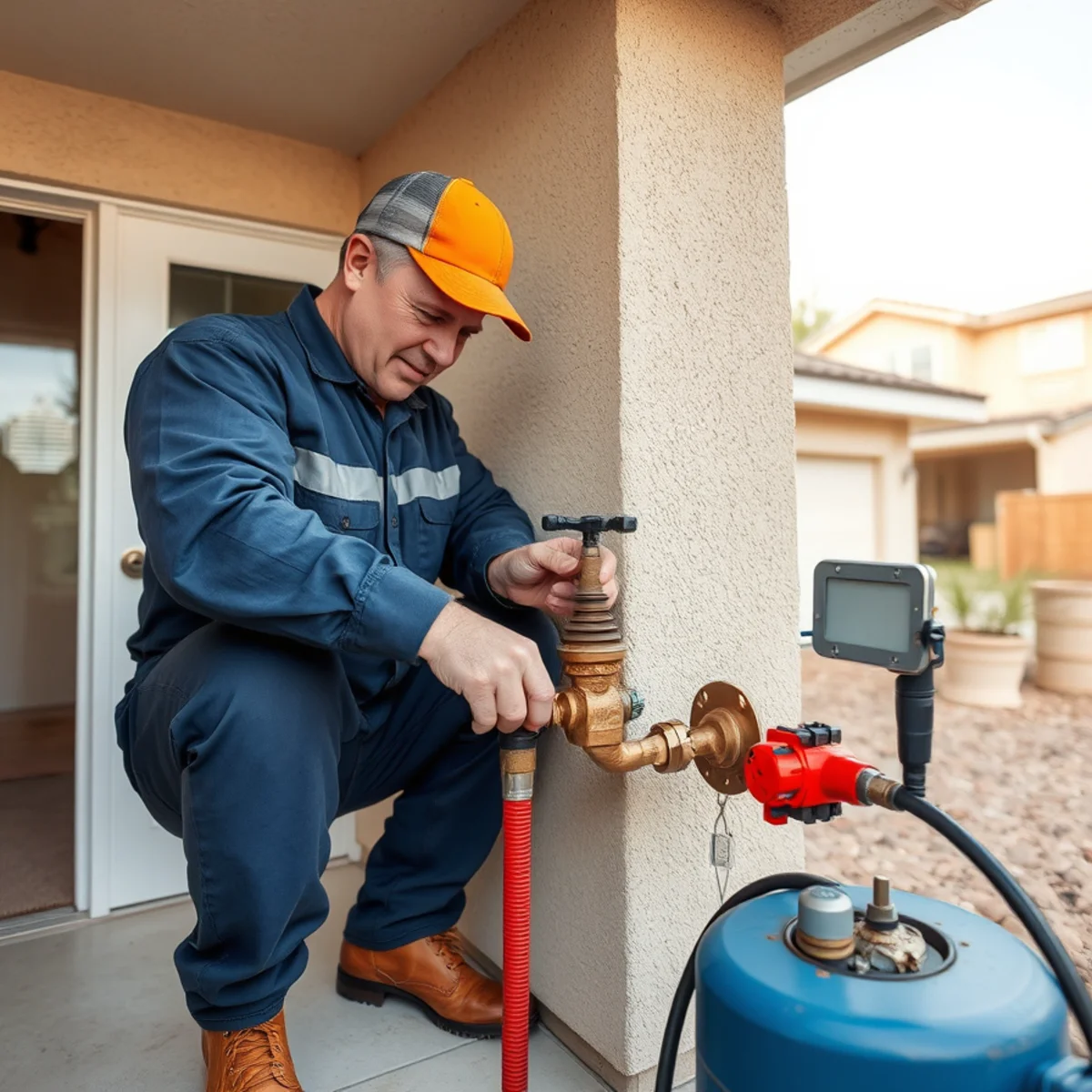
- Reach down behind the base of the toilet and turn the supply shutoff valve clockwise until it stops. This cuts water to the toilet entirely.
- If the valve is stuck or missing, leave the flapper held down and shut off your home's main water valve.
Is it a clean clog or a sewage emergency?
Ask yourself what the water looks like and where it is coming from. Restoration crews sort water into three categories:
- Category 1, clean water: a clog with clean water overflowing the bowl. Still needs cleanup, but low health risk.
- Category 2, gray water: contains some contaminants — for example an overflow with urine but no solid waste. A moderate hazard.
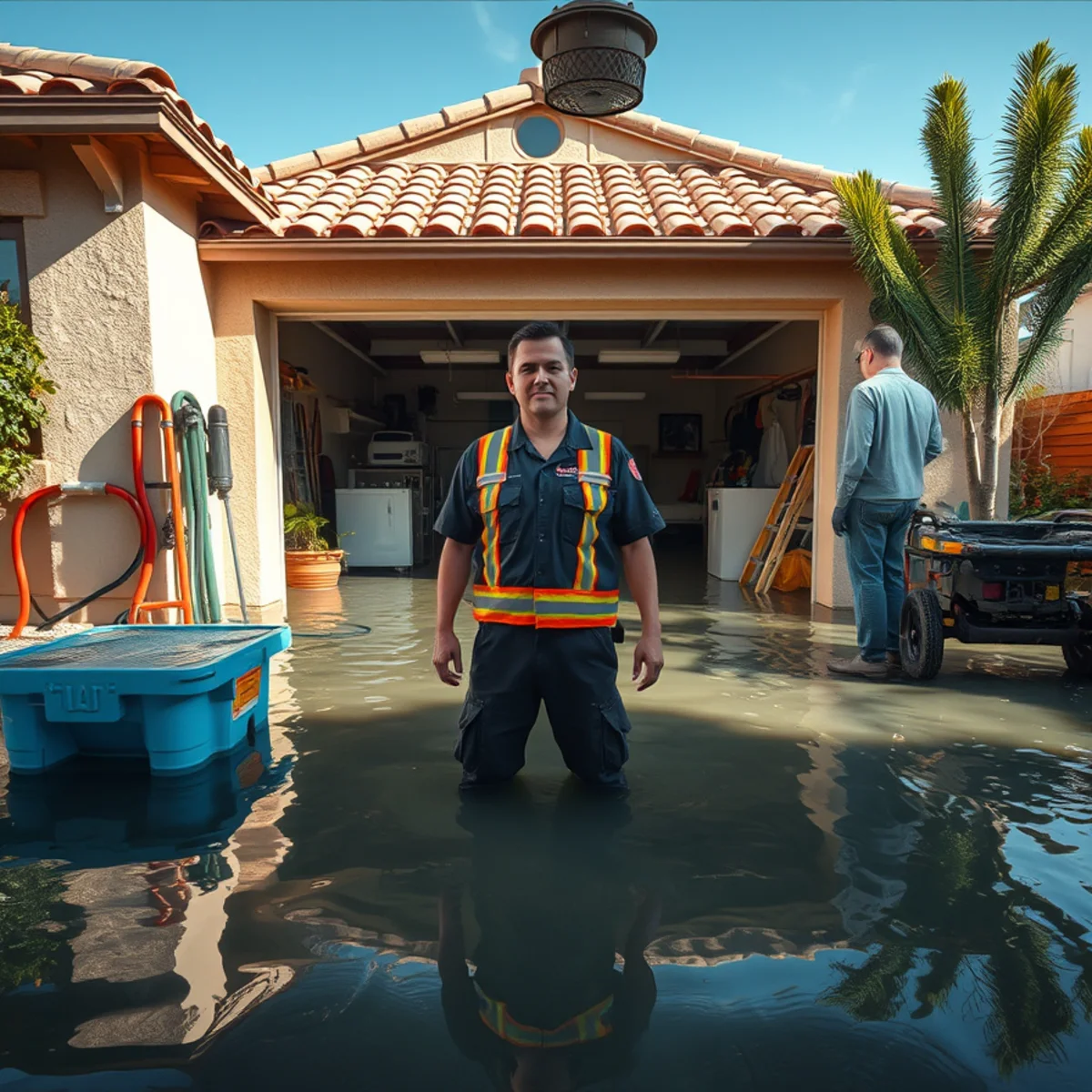
- Category 3, black water: sewage backing up from the drain or main line. It carries bacteria and pathogens and is a serious health hazard.
Sewage is a health hazard, not just a mess
If dark or foul water is coming up out of the toilet, tub, or floor drain, treat it as contaminated. Keep people and pets away, do not track it through the house, and do not run other drains. This is a job for professional sewage cleanup, not a mop and bucket.
A telltale sign: it is more than one drain
If the toilet overflows but everything else drains fine, you probably have a local clog. If flushing the toilet makes the tub gurgle, or sewage comes up in the shower when you run the washing machine, the problem is deeper in the main line — and that is almost always Category 3. When more than one fixture is affected, stop using water in the house.
What to do while you wait
- Block the area off and keep children and pets out.
- Turn off the HVAC so it does not circulate contaminated air.
- If you must be near it, wear rubber gloves, rubber boots, and eye protection — and wash thoroughly afterward.
- Do not use bleach and call it done; disinfecting the surface does not fix water that has soaked into flooring, drywall, or subfloor.
What sewage can ruin — and what usually has to go
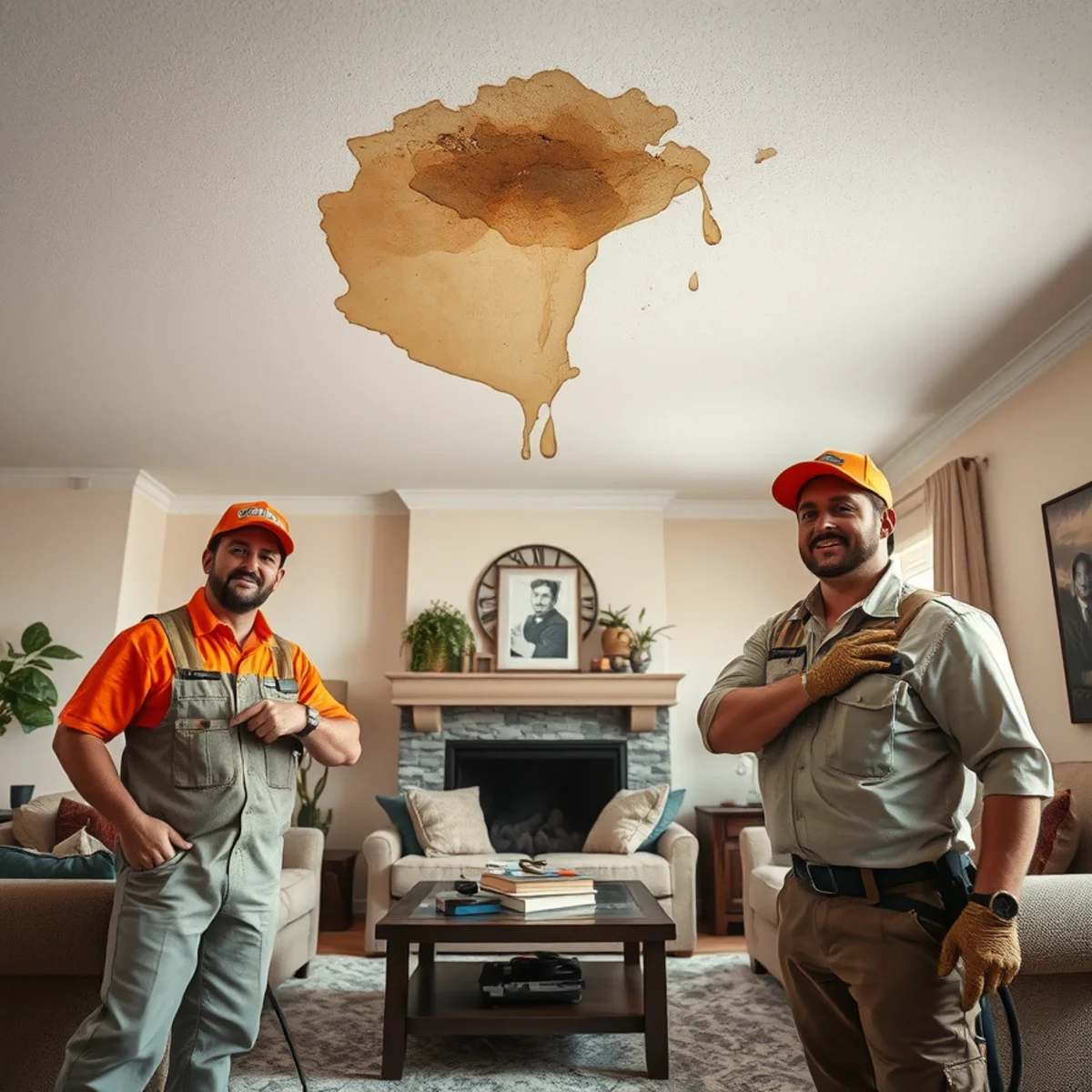
Category 3 water does not just sit on top of your floor; it soaks into anything porous. That is why a real sewage cleanup means removing materials, not just wiping them down.
- Carpet and pad that absorbed sewage almost always come out.
- The bottom section of drywall that wicked contaminated water is usually cut away.
- Particleboard cabinet bases and wood trim that soaked through often cannot be saved.
- Hard, non-porous surfaces like tile and sealed concrete can usually be cleaned and disinfected in place.
The faster this happens, the more you keep. Sewage left overnight spreads farther and pushes the job from cleanup toward demolition, so quick extraction genuinely limits what has to be torn out.
Water damage right now? Don't wait.
45-minute average dispatch across Murrieta • available 24/7 • licensed & insured
Plumber or restoration crew — which do you call?
You often need both, in this order. A plumber clears the blockage or repairs the line so the backup stops. A restoration crew then extracts the contaminated water, removes and disposes of unsalvageable materials like soaked carpet and drywall, and disinfects and dries what remains. Our Murrieta team coordinates the cleanup side, and we serve Old Town Murrieta, Wildomar, and the surrounding area 24/7.
Why sewage cleanup is not a DIY job
Category 3 water requires containment, personal protective equipment, antimicrobial treatment, and safe disposal of contaminated materials. Porous items that soaked it up — carpet, pad, particleboard, and often the bottom of the drywall — usually have to be removed rather than dried. Done wrong, you are left with lingering bacteria and, within a day or two, mold. Our IICRC-certified crews follow the S500 standard so the space is returned to a genuinely clean, dry, and safe condition.
An overflowing toilet is manageable if you stop the water fast and read the situation honestly. Clean overflow: mop up and disinfect. Sewage backup: keep clear and get professional help. Call our 24/7 team the moment you see dark water coming up from the drain.
Frequently Asked Questions
Do not flush again. Take the tank lid off and push the flapper down to stop water entering the bowl, hold up the float so the tank stops refilling, then turn the supply valve behind the toilet clockwise to shut it off.
When the water is backing up out of the drain rather than overflowing a clogged bowl, when it is dark or foul, or when more than one fixture is affected. That points to a main-line problem and Category 3 black water, which is a health hazard.
Wiping the surface does not address water that has soaked into flooring, drywall, and subfloor, and it leaves you exposed to bacteria. Contaminated porous materials usually have to be removed. Professional sewage cleanup handles containment, disposal, and disinfection safely.
Usually both. A plumber clears or repairs the line so the backup stops, and a restoration crew extracts the contaminated water, removes ruined materials, and disinfects and dries the space. Call us and we will walk you through the order.
Written & reviewed by the Water Damage Restoration Murrieta team
IICRC-certified, licensed & insured water damage restoration professionals serving Murrieta and southwest Riverside County. Questions about your situation? Call (201) 277-9344 — we answer 24/7.
Serving these areas: