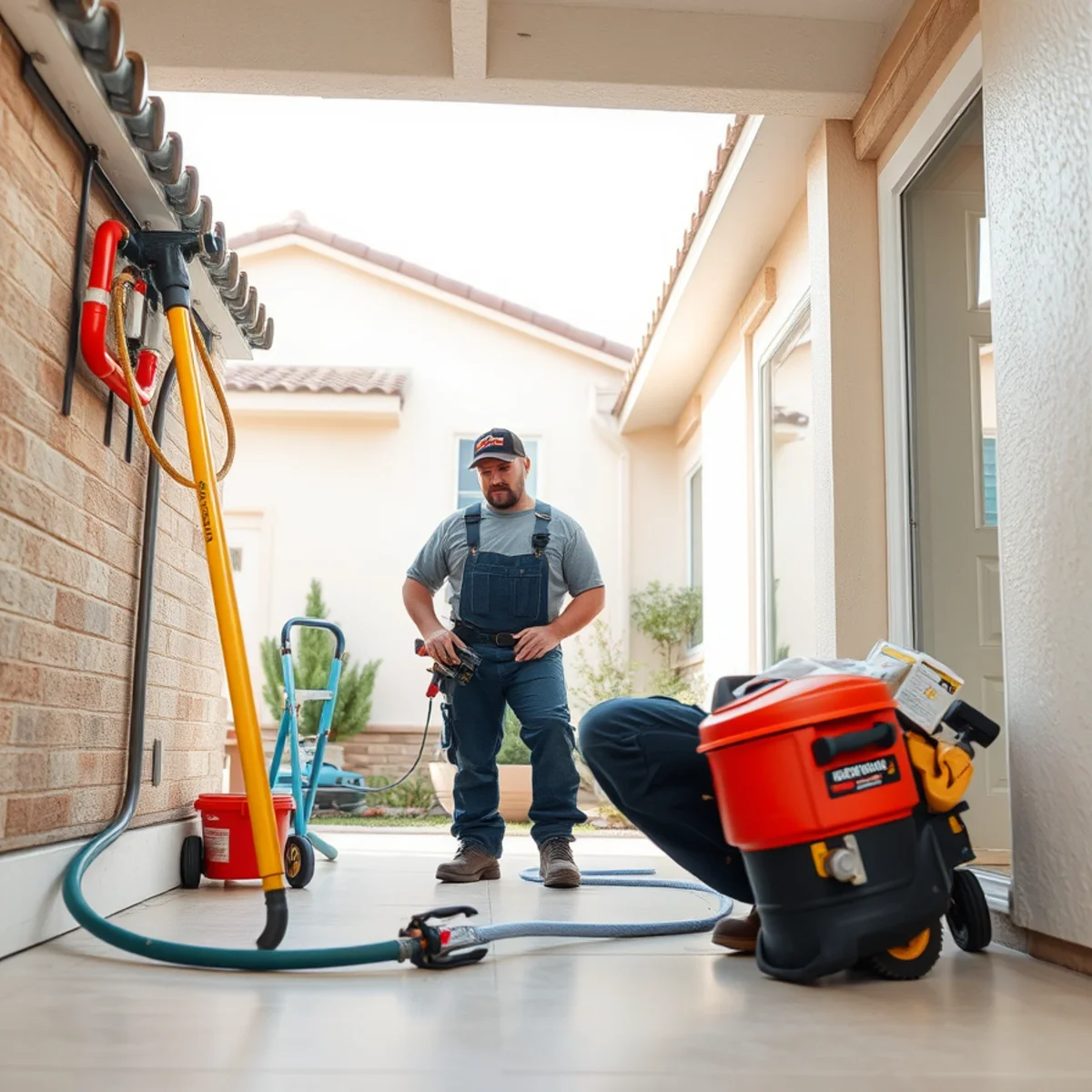
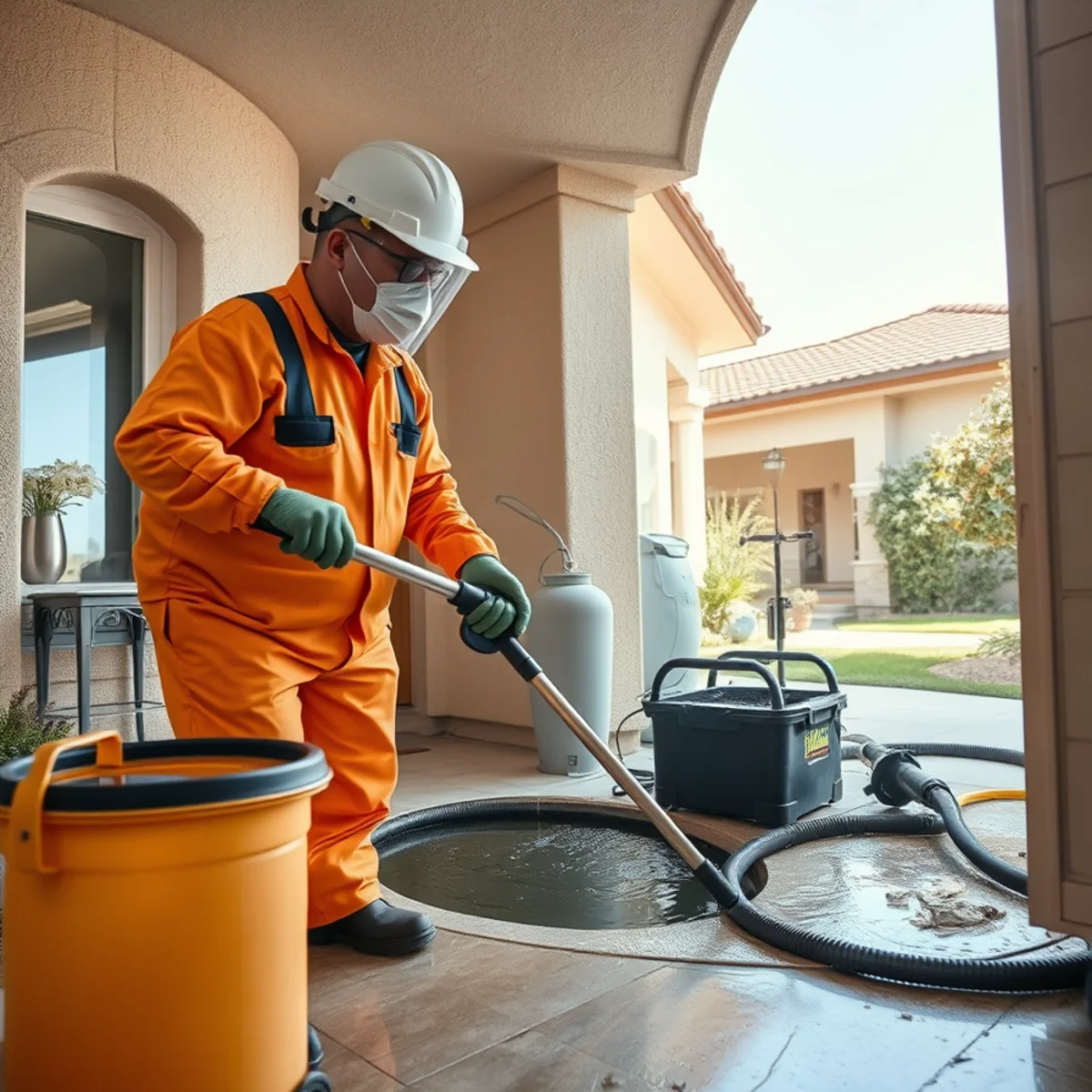
A sewage backup is the water damage nobody wants — messy, hazardous, and often expensive. It also comes with an insurance twist that surprises a lot of homeowners at exactly the wrong time. Let us cover what cleanup typically costs, why it is priced the way it is, and whether your policy will actually pay.
This is general information, not insurance advice. Your policy language and your agent are the final word, so read your coverage and ask questions before you need it.
Why sewage is a Category 3 job
Restoration crews classify sewage as Category 3, or black water — the most hazardous class. It carries bacteria, viruses, and other pathogens, which changes everything about the cleanup. This is not water you extract and dry; it is contamination you contain, remove, and decontaminate. Porous materials that absorbed it — carpet, pad, and often the lower drywall and any particleboard — usually have to be removed and disposed of rather than saved, because they cannot be reliably disinfected.
The health risk is the whole reason for the extra cost and care. Contact with sewage can spread illness through bacteria, viruses, and parasites, and the danger is not only from touching it — spores and aerosols can move through the air and the HVAC system. That is why proper containment is not optional on these jobs.
Do not clean up sewage yourself
Black water is a genuine health hazard. Keep people and pets away, shut off the HVAC so it does not spread contaminated air, and do not try to mop it up. Professional sewage cleanup uses containment, protective equipment, and proper disposal for a reason.
What sewage backup cleanup costs
Because it is Category 3, sewage cleanup sits at the top of the water-damage pricing scale. As a 2026 planning figure for the Murrieta area, black water work runs around $7.50 per square foot of affected area — higher than clean water at roughly $3.50 or gray water at roughly $5.25, because of the contamination, protective measures, material removal, and disposal involved. Most residential water projects fall between $1,200 and $5,000 overall, and a sewage loss tends toward the upper part of that range once you factor in demolition and decontamination. As always, the actual cost depends on the specific job — we quote firmly after a free inspection.
Where a sewage loss lands within that range depends mostly on how far it spread and how much finished space it reached. A backup confined to an unfinished laundry area with a floor drain is very different from one that pushed into carpeted living space and up into the drywall. The first is contained; the second means demolition and reconstruction on top of the decontamination.
What drives the price up
- The affected square footage, and how far the contaminated water spread.
- How much porous material — carpet, pad, drywall, cabinetry — has to be removed and disposed of.
- Whether it reached finished spaces, subfloor, or wall cavities.
- Containment and decontamination requirements for a Category 3 loss.
- Any mold that started if the backup was not addressed quickly, adding mold remediation.
- Reconstruction to replace what was removed once the space is disinfected and dry.
What the cleanup process looks like
Knowing the steps takes some of the dread out of it. A professional Category 3 cleanup follows a consistent sequence designed to make the space genuinely safe again, not just clean-looking.
- Contain the area and set up protective barriers so contamination does not spread.
- Extract the sewage and standing water with specialized equipment.
- Remove and dispose of porous materials that cannot be disinfected.
- Clean and apply antimicrobial treatment to every affected surface.
- Dry the structure with air movers and dehumidifiers, monitored to completion.
- Reconstruct what was removed once the space is verified clean and dry.
The insurance catch: you probably need a backup endorsement
Here is the part that catches people. A standard California homeowners policy generally does not cover sewer or drain backups on its own. Coverage usually requires a specific add-on — often called a sewer or water backup endorsement — that you have to elect and pay a little extra for. Without it, a sewage backup claim is frequently denied even though a burst clean-water pipe would have been covered.
The reason for the separate endorsement is the same as the reason sewage is expensive to clean: backups are a distinct, higher risk that standard coverage carves out. The good news is that adding it is usually cheap relative to what a single backup costs, which makes it one of the better-value add-ons on a homeowners policy.
Check for the backup endorsement before you need it
Call your agent and ask whether your policy includes a sewer and drain backup endorsement, and what the limit is. It is usually inexpensive to add and can save you thousands if a line backs up. This is the kind of coverage you want in place well before anything goes wrong.
Water damage right now? Don't wait.
45-minute average dispatch across Murrieta • available 24/7 • licensed & insured
If you have the endorsement
With a backup endorsement, the cleanup, removal, and often the reconstruction may be covered up to your endorsement's limit, minus your deductible. Those limits are sometimes lower than your main dwelling coverage, so it is worth knowing the number in advance. Document the backup thoroughly — photos and video before cleanup — just as you would any water claim; our guide on documenting water damage for a claim applies directly here.
One thing to verify now rather than later is the endorsement's limit. Some are set fairly low — enough for a minor backup but not a major one that requires gutting several rooms. If your limit looks thin, ask your agent what it would cost to raise it before you ever need to file.
How to protect yourself before it happens
- Add and maintain a sewer and drain backup endorsement on your policy.
- Watch for early warning signs — gurgling drains, slow toilets, and water backing up when you run another fixture — which can signal a main-line problem.
- Address recurring clogs and know whether tree roots are intruding on your line, a common cause in older neighborhoods.
- Consider a backwater valve, which helps prevent the municipal line from backing up into your home.
Tree roots deserve special mention in older neighborhoods. They seek out the moisture in sewer lines and work in through tiny cracks and joints, and a root-choked line is one of the most common causes of a backup. If you have mature trees and a home more than a couple of decades old, a periodic camera inspection of the line is cheap insurance.
Sewage backup is a Category 3 job priced at the top of the scale for good reason, and the coverage that pays for it is usually an endorsement you have to add on purpose. Check your policy now, watch for the warning signs, and if a backup does happen, keep clear and let professionals handle it. If you are dealing with one today, our crews serve Murrieta, Sun City, and Hemet around the clock — call our 24/7 team. And for the warning signs to catch it early, see our guide on when a toilet overflow is a sewage emergency.
Frequently Asked Questions
As a 2026 planning figure for the Murrieta area, Category 3 black water work runs around $7.50 per square foot of affected area, with most residential water projects between $1,200 and $5,000 overall and sewage losses trending toward the upper end. The actual cost depends on the job, so we quote after a free inspection.
Usually not on its own. A standard California policy generally excludes sewer and drain backups unless you have added a specific backup endorsement. Without that add-on, a backup claim is often denied, so it is worth confirming your coverage before you ever need it.
Because it is Category 3 black water carrying bacteria and pathogens. That requires containment, protective equipment, removal and disposal of contaminated porous materials, and full decontamination — steps a clean-water dry-out does not need, which adds labor and materials.
It is not worth the health risk. Black water is hazardous, and contaminated carpet, pad, and drywall usually cannot be reliably disinfected in place. Keep people and pets away, shut off the HVAC, and call for professional sewage cleanup.
Written & reviewed by the Water Damage Restoration Murrieta team
IICRC-certified, licensed & insured water damage restoration professionals serving Murrieta and southwest Riverside County. Questions about your situation? Call (201) 277-9344 — we answer 24/7.