A sewage backup rarely comes out of nowhere. For weeks or months beforehand, your plumbing has usually been dropping hints, small ones, easy to shrug off, until the day the shower fills with dark water and there is no ignoring it. In older, tree-lined neighborhoods, the most common culprit behind those hints is tree roots growing into the sewer line. The good news is that roots announce themselves early if you know the signs. Catch them, and you deal with a scheduled cleaning instead of an emergency cleanup.
Why roots go for your sewer line
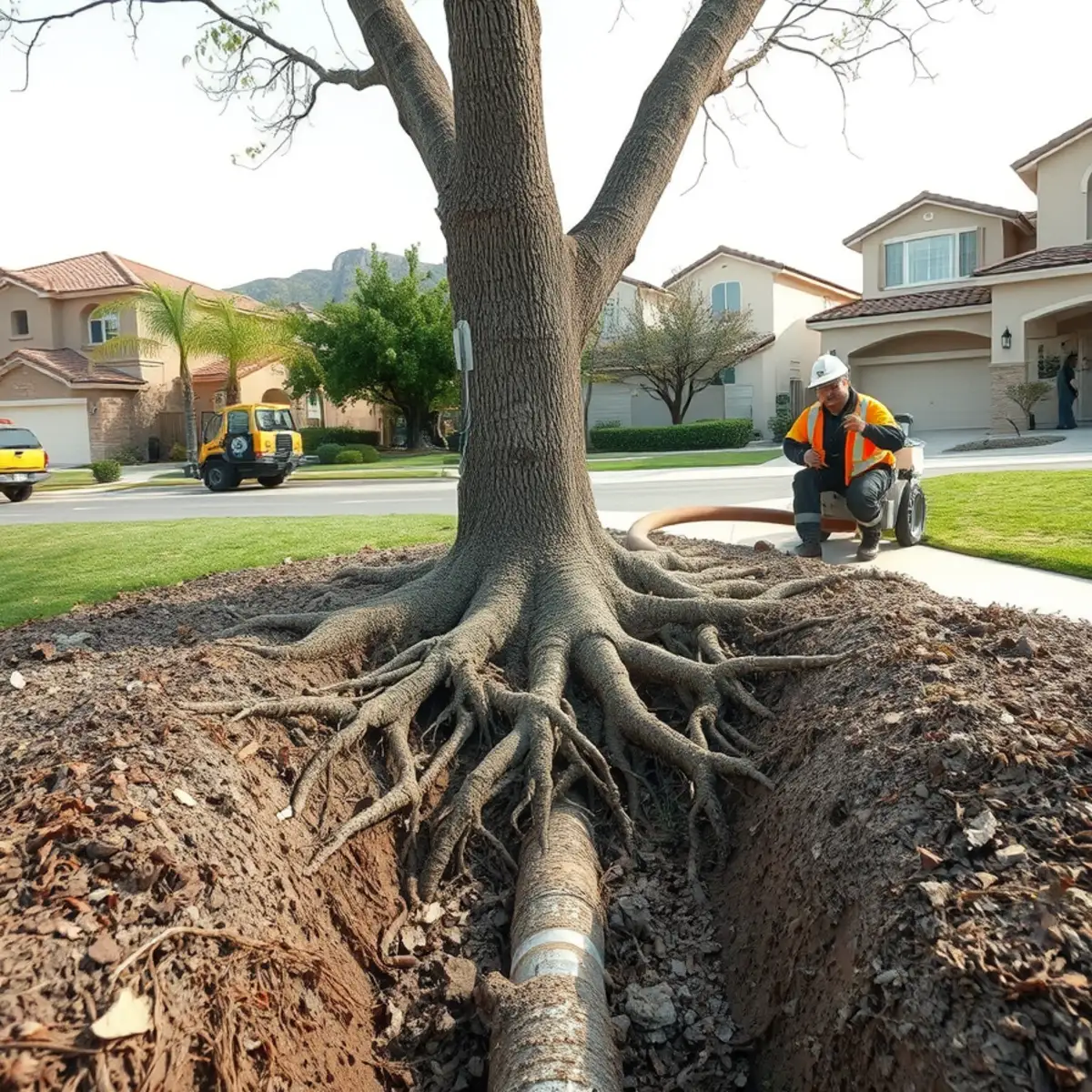
Tree roots are not attacking your pipe out of spite, they are following water and nutrients, and a sewer line is full of both. Even a perfectly intact pipe releases a little warmth and vapor at its joints, and roots can sense that moisture from surprising distances. They grow toward it, work their way into the tiny gaps at pipe joints or hairline cracks, and once inside they flourish in the constant supply of water and nutrients. Over time a few thin root hairs become a dense mat that snags toilet paper, grease, and debris until flow slows to a trickle.
The early warning signs
These are the quiet clues that show up first, often long before any backup:
- Gurgling sounds from toilets or drains, especially when a toilet is flushed or the washing machine drains.
- Drains that have gotten slow across the whole house, not just one sink.
- A toilet that empties sluggishly or needs a second flush.
- A faint sewage odor around floor drains or in the yard.
- Drains that clog repeatedly no matter how often you clear them.
The pattern that points to the main line, rather than a single fixture, is when several drains act up together. One slow sink is a local clog. The whole house gurgling and draining slowly is a main-line message.
Signs it's getting serious
As the root mass grows, the signs escalate. You may notice patches of your lawn that are suddenly greener or grow faster than the rest, fed by the leaking, nutrient-rich water around the pipe. You might see a soggy or sunken area in the yard along the sewer line's path. Backups become more frequent and harder to clear, and the sewage smell gets stronger. When multiple fixtures back up at the same time, the line is close to fully blocked, and a shower or floor-drain backup may not be far behind.
Do not wait for the backup
Once roots fully block the line, sewage backs up into the lowest drains in the house, a Category 3 biohazard that needs professional cleanup. Acting on the early gurgles and slow drains is far cheaper and cleaner than reacting to the flood.
Which Murrieta homes are most at risk
Two things raise your odds: mature trees near the sewer line's path, and older pipe with joints roots can exploit. Established neighborhoods with large, thirsty trees, and homes with clay or older pipe materials, see the most root intrusion. Areas like Murrieta Ranchos and Murrieta Oaks with their larger lots and mature landscaping fit that profile. If you have big trees between your house and the street, your lateral is worth keeping an eye on even if everything drains fine today.
Water damage right now? Don't wait.
45-minute average dispatch across Murrieta • available 24/7 • licensed & insured
How the problem gets confirmed
You do not have to guess. A camera inspection sends a small waterproof camera down the sewer line and shows exactly what is happening inside, whether roots are present, how far the intrusion has gone, and whether the pipe itself is cracked or collapsed. It turns a mystery into a clear picture and tells you whether the fix is a straightforward cleaning or a more involved repair. This is the same investigative approach behind our leak detection work, using the right tool to see a hidden problem before opening anything up.
How the line gets cleared and repaired
Once a camera confirms roots, there is a range of fixes depending on how far things have gone:
- Mechanical clearing, a rotating cutter head is run through the line to slice out the root mass and restore flow. It is fast but a starting point, not a permanent cure.
- Hydro-jetting, a high-pressure water jet scours the pipe walls clean, removing roots and the debris caught in them more thoroughly than cutting alone.
- Relining, a trenchless method that installs a new pipe lining inside the old one, sealing the cracks and joints roots entered through, without digging up the yard.
- Spot repair or replacement, when a section has collapsed or is too damaged to reline, that length of pipe is dug up and replaced.
Because roots regrow, clearing alone often needs to be repeated, while sealing the entry points with relining or replacing the damaged section is what actually breaks the cycle. A camera inspection is what tells you which of these your line needs, rather than guessing.
What to do before it becomes a backup
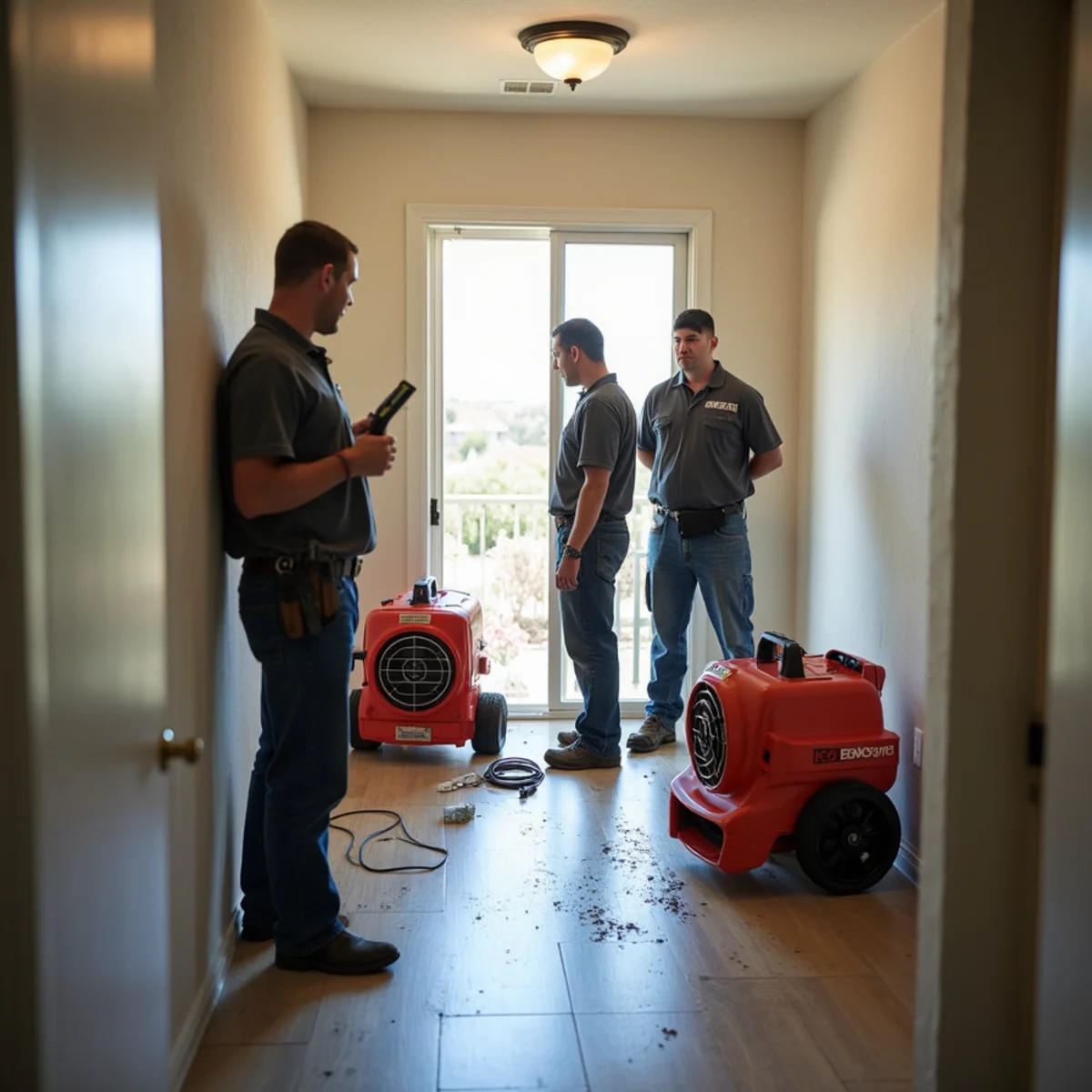
If you are seeing the early signs, act while it is still just gurgles and slow drains. A camera inspection confirms the cause, and a plumber can clear the roots by cutting or hydro-jetting the line, with longer-term options like relining or spot repair if the pipe is damaged. Staying ahead of it means you never meet the worst case. But if roots have already caused a backup, treat it as the biohazard it is: our team provides sewage cleanup and fast 24/7 emergency water removal so the contamination is removed, disinfected, and dried properly, not just mopped up. Catching roots early is one of the few plumbing problems where a little attention now genuinely prevents a disaster later.
Frequently Asked Questions
A single slow drain is usually a local clog. Roots typically cause whole-house symptoms, several drains gurgling or slowing together, repeat clogs that keep coming back, and sometimes greener grass along the sewer line. A camera inspection confirms roots for certain.
Not by itself. Even after a tree is gone, remaining roots can keep growing toward the line for a while, and the cracks or open joints that let roots in are still there. Clearing the line and repairing or relining the damaged pipe is what actually stops recurrence.
Often, yes. Mechanical cutting and hydro-jetting clear the roots through existing access points, and trenchless relining can repair the pipe from the inside. A camera inspection first shows whether the pipe is intact enough for those methods or needs a dug repair.
If you have mature trees near the line or older pipe, a camera inspection every couple of years, or at the first sign of recurring gurgles and slow drains, is reasonable. Regular checks catch root intrusion while it is a cleaning job, not a backup.
Written & reviewed by the Water Damage Restoration Murrieta team
IICRC-certified, licensed & insured water damage restoration professionals serving Murrieta and southwest Riverside County. Questions about your situation? Call (201) 277-9344 — we answer 24/7.
Serving these areas: