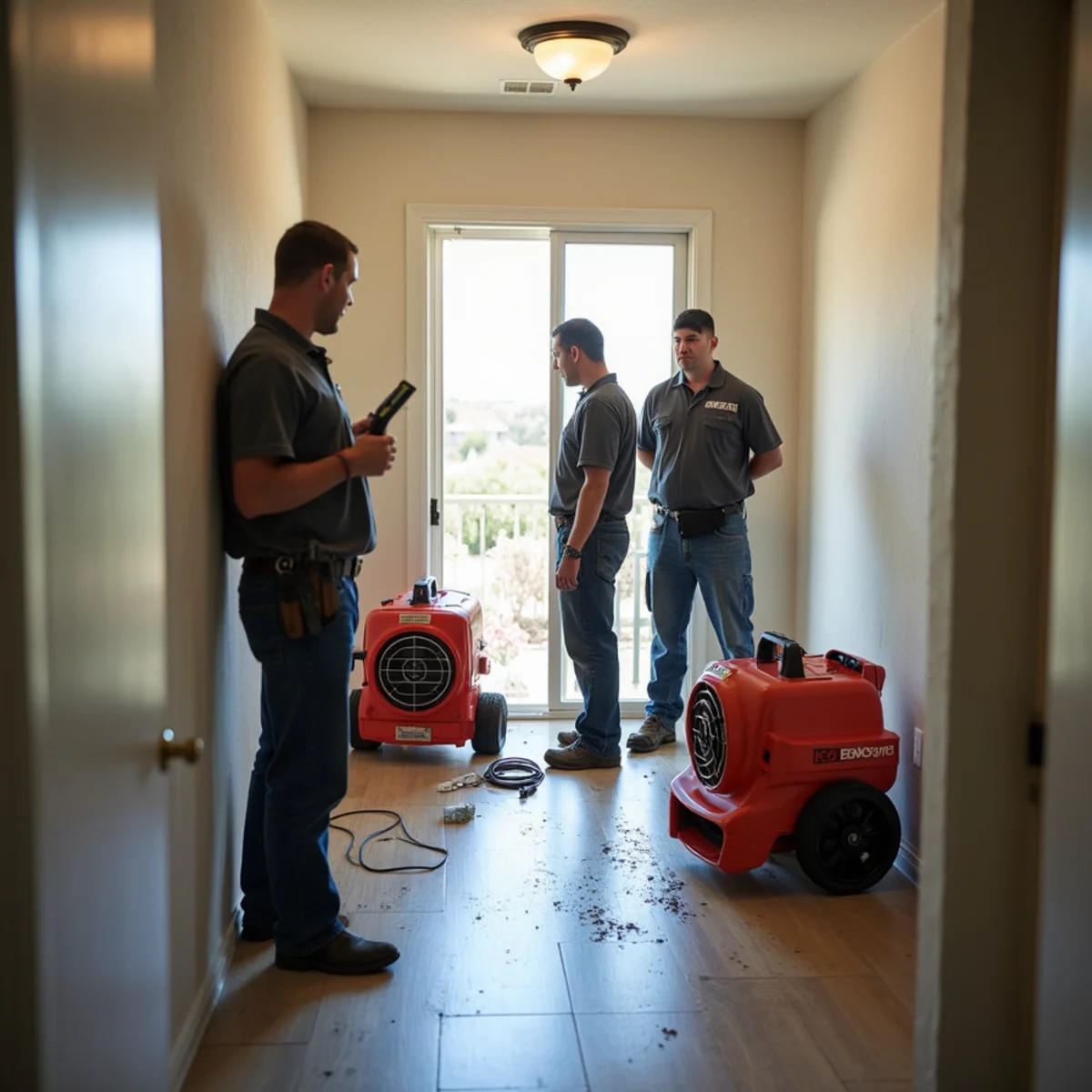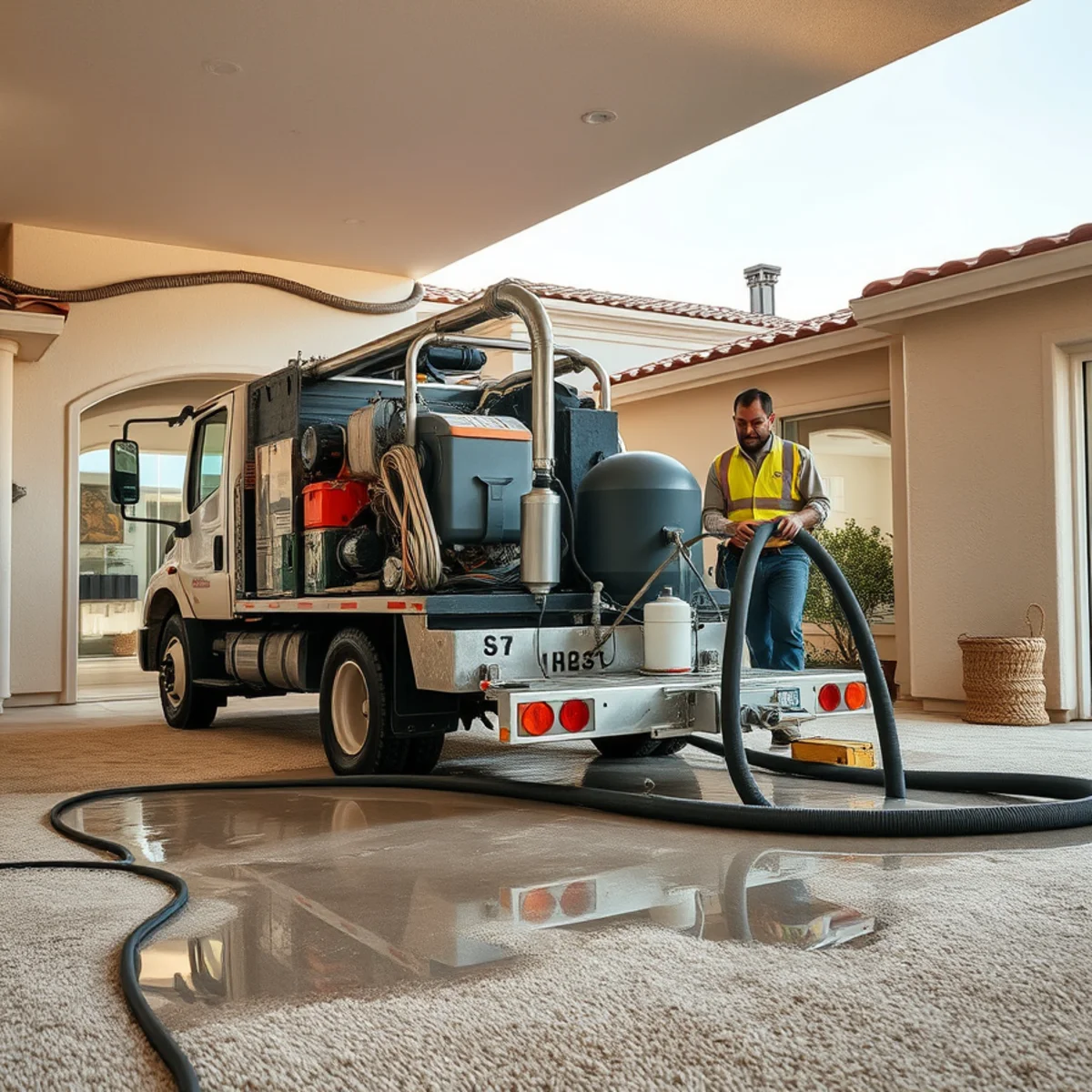
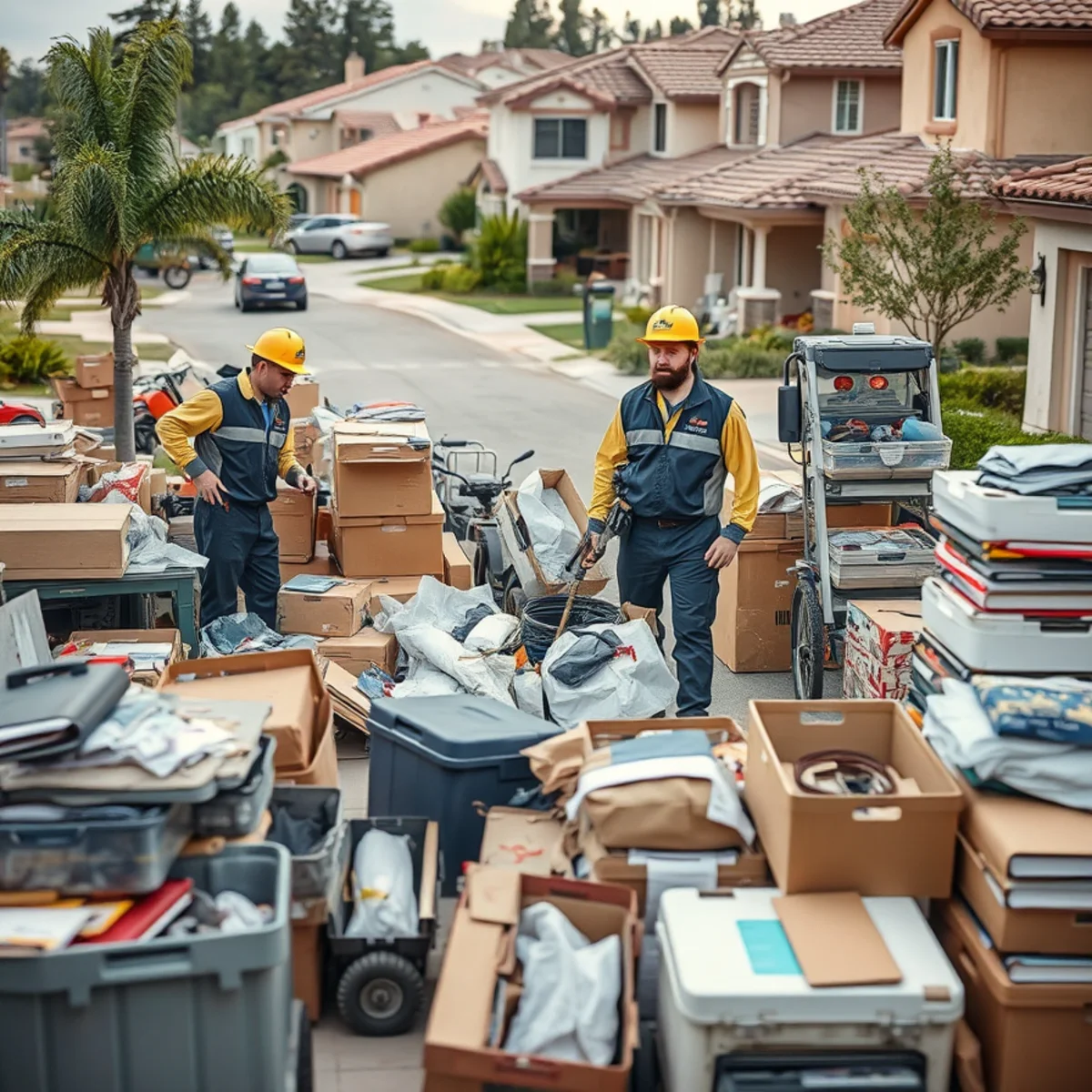
After stormwater pushes into your home, the sorting begins, and it is one of the hardest parts. Everything is wet, some of it is ruined, and it is not always obvious which is which. The instinct to save what you can is natural, especially with things that carry meaning. But floodwater is not clean water, and the rules for what stays and what goes are stricter than most people expect. This guide walks through it category by category so you can sort with confidence and protect your family's health.
Why stormwater is treated as contaminated
Water that flows across the ground and into your home is classified as black water (Category 3), the most contaminated class. On its way in, it picks up whatever is on the streets, in the soil, and in the storm system: fertilizer, pesticides, petroleum, animal waste, and bacteria. It does not matter that it looks like muddy rainwater. The moment it runs over the ground and enters the house, we treat it as contaminated, and that single fact drives every keep-or-toss decision that follows.
This is also why the clock matters. Even water that started cleaner degrades as it sits, warm, still water grows bacteria and pulls contaminants out of everything it soaks. So a floor that was merely wet on day one is a bigger contamination problem by day three. The faster the water comes out and the sorting begins, the more you tend to save, which is one more reason not to wait to start.
Health comes before belongings
Do not wade through floodwater without protection, and keep children and pets away from affected areas. Porous items that soaked up black water can hold bacteria even after they look and feel dry. When in doubt, the safe choice is to discard it.
The rule of thumb: porous versus non-porous
The single most useful idea in flood sorting is porosity, how much a material soaks up and holds. Porous materials absorb contaminated water into spaces you cannot clean and cannot fully dry, so they generally go. Non-porous materials have hard, sealed surfaces that can be cleaned and disinfected, so they generally stay. Semi-porous materials fall in between and get judged case by case. Hold each item up against that test and most decisions become clear.
What almost always has to go
These porous items absorbed contaminated water and cannot be reliably cleaned:
- Mattresses, box springs, pillows, and upholstered furniture that got soaked.
- Carpet pad, and often the carpet itself, once it sat in black water.
- Particleboard and pressed-wood furniture, which swells and crumbles.
- Drywall that wicked floodwater and the insulation behind it.
- Food, bottled or not, plus cosmetics, and medicine that contacted floodwater.
- Stuffed toys, pillows, and most soft goods that cannot be hot-washed.
What can usually be saved
Non-porous and hard-surfaced items can typically be cleaned and disinfected:
- Glass, metal, and hard plastic, dishes, flatware, and sealed containers.
- Solid wood furniture with sealed finishes, if dried carefully and sanitized.
- Jewelry, coins, and other non-porous valuables.
- Clothing and linens that can survive hot water and detergent, though sentimental soft items are a judgment call.
Photographs, documents, and irreplaceable items sit outside the simple rules. Do not throw them out in a rush. Freezing wet photos and papers buys time and specialists can sometimes recover them, so bag them and set them aside rather than tossing them.
For the non-porous items you keep, cleaning matters as much as the decision to save them. Washing off the visible mud is only step one, everything that contacted black water then needs to be cleaned and disinfected with an appropriate antimicrobial, not just rinsed. Hard surfaces, sealed containers, and dishes should be washed, sanitized, and dried thoroughly before they go back into use. When in doubt about whether something can be brought back to a genuinely safe condition, treat that doubt as your answer.
The gray-area items
Some things genuinely depend on the details. Solid hardwood flooring can sometimes be saved if the water was caught fast and it is dried properly, but flooring that sat in floodwater for days usually cannot. Real-wood furniture with an unsealed underside may absorb more than it looks. When an item straddles the line, we weigh how long it was submerged, how contaminated the water was, and whether it can be fully dried and disinfected. If it cannot be cleaned to a safe condition, it goes.
Water damage right now? Don't wait.
45-minute average dispatch across Murrieta • available 24/7 • licensed & insured
Photograph everything before you throw it out
Before anything leaves the house, document it. Take clear photos and video of every damaged item, in place if you can, and keep a written list with rough values and ages. Your insurer will want proof of what was lost, and items thrown out without documentation are hard to claim. We help homeowners capture this as part of flood cleanup, so the record is there when the adjuster asks. Save receipts for anything you must replace immediately, like a water heater.
Get help sorting, especially with contaminated water
Sorting a flooded home is exhausting and, with black water, genuinely hazardous. Our crews arrive in protective gear, extract the water, remove and bag the materials that cannot be saved, and clean and disinfect what can. If the floodwater carried sewage, that raises the stakes further and calls for sewage cleanup protocols. We serve homeowners across Canyon Lake and Lake Elsinore after storms, and the fastest path back to a safe home is to let a trained crew handle the contaminated sorting while you focus on your family.
Frequently Asked Questions
Not safely. Mattresses and upholstered furniture are porous and hold contaminated water deep inside where cleaning cannot reach. Even after they look dry, bacteria can remain. Items like these that soaked up floodwater should be discarded, documented for your claim first.
It is classified the same way, as black water, because it runs across the ground picking up chemicals, waste, and bacteria before entering your home. Treat it with the same caution: protective gear, no bare-skin contact, and discard porous items it soaked.
Photograph and list everything first. Insurers want proof of loss, and undocumented items are hard to claim. You can remove ruined porous goods for safety once they are documented, but keep a clear photo and video record and, when possible, ask your adjuster's preference.
Sometimes, if the water was caught quickly and the floor is dried properly with specialty equipment. Hardwood that sat in floodwater for days, or was contaminated, usually cannot be reliably restored. We take moisture readings and assess it before recommending drying versus replacement.
Written & reviewed by the Water Damage Restoration Murrieta team
IICRC-certified, licensed & insured water damage restoration professionals serving Murrieta and southwest Riverside County. Questions about your situation? Call (201) 277-9344 — we answer 24/7.
Serving these areas: