The words slab leak scare homeowners for one reason: the mental image of a jackhammer tearing through the living room floor to find a pipe that could be anywhere. That image is out of date. Modern leak detection is about precision, finding the leak first, then opening one small, exact spot to fix it. The goal is to locate the problem so accurately that the repair is a targeted procedure, not a demolition. Here is how the tools actually work and why you rarely need to sacrifice your whole floor.
Why you don't have to tear up the whole floor
A slab leak is a leak in a water pipe running through or beneath the concrete slab your home sits on. Because the pipe is hidden in concrete, the temptation is to open large areas hunting for it. But the entire point of professional leak detection is to avoid that. With the right equipment we can narrow a leak from somewhere under the slab to a specific spot, often within a small margin. Then access is a single, minimal opening. Precision up front is what saves your floor, and it saves money on both the detection and the repair.
It is worth appreciating why the old approach was so destructive. Without detection tools, the only way to find a buried pipe was to follow it, opening the floor section by section until you reached the leak. That could mean breaking through tile, flooring, and slab across an entire room. Detection flips that around: we invest the time up front in locating the leak precisely, so the demolition is measured in a single access point rather than a whole floor. The tools cost less than the flooring they save.
Step one: confirm it's actually a slab leak
Before locating anything, we confirm what we are dealing with, and pressure testing does that. We isolate the plumbing system, pressurize it, and watch whether it holds. By testing the hot and cold lines separately, we can tell which system is leaking, hot-water slab leaks are common, which narrows the search considerably. If the pressure drops on an isolated line with no fixtures open, the water is escaping somewhere in that line. This step confirms there is a leak, tells us which line, and rules out other explanations before we spend time pinpointing.
Acoustic leak detection
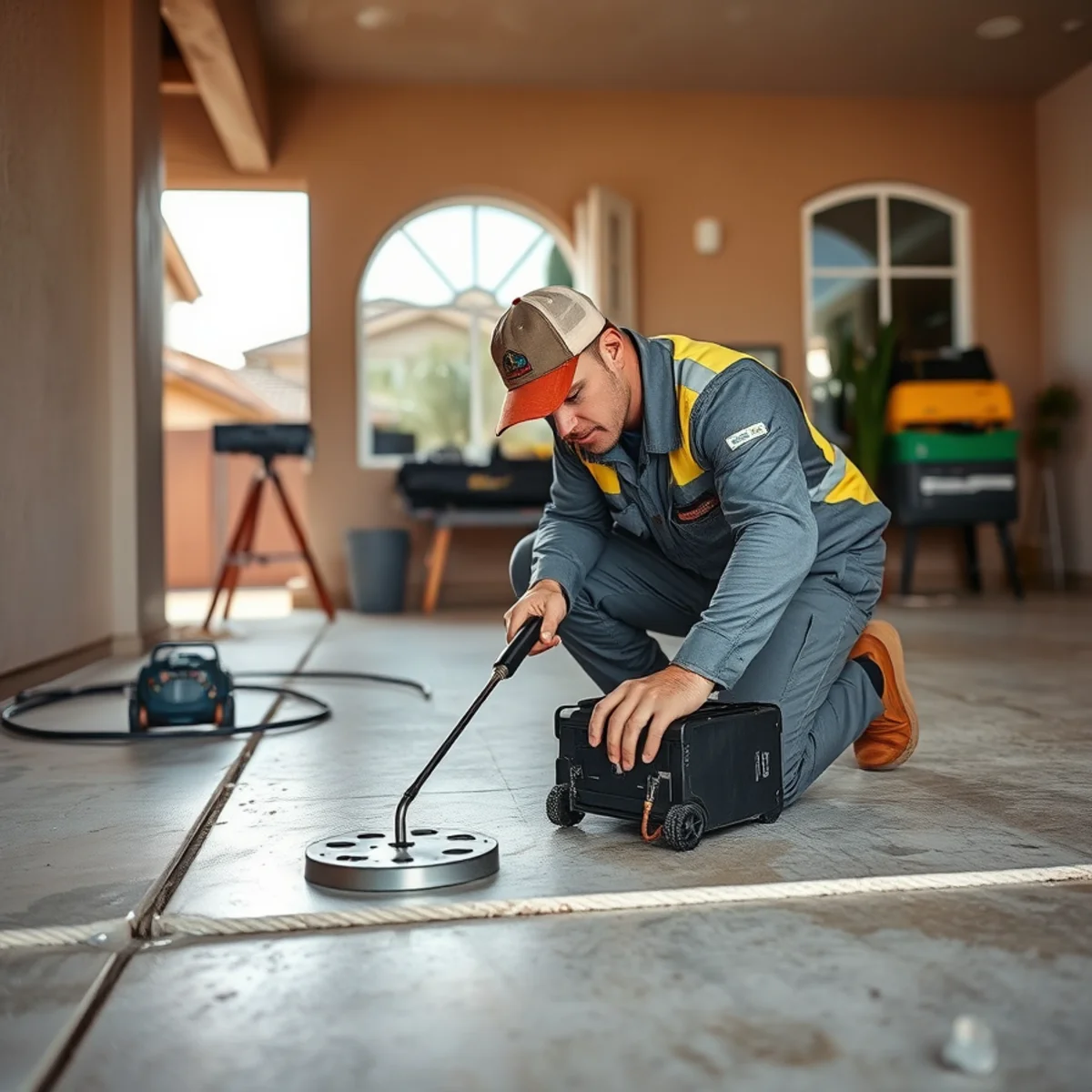
Water escaping a pressurized pipe under concrete makes noise, a hiss or spray where it exits, and a rushing sound as it travels. Acoustic detection equipment uses sensitive ground microphones and amplifiers to listen for that sound through the slab. A trained technician moves the sensors across the floor, listening for where the sound is loudest, which marks the leak's location. It sounds simple, but it takes skill to distinguish the leak from ordinary house and street noise. Done well, acoustic detection is one of the most accurate ways to pinpoint a slab leak.
Why the technician matters as much as the tools
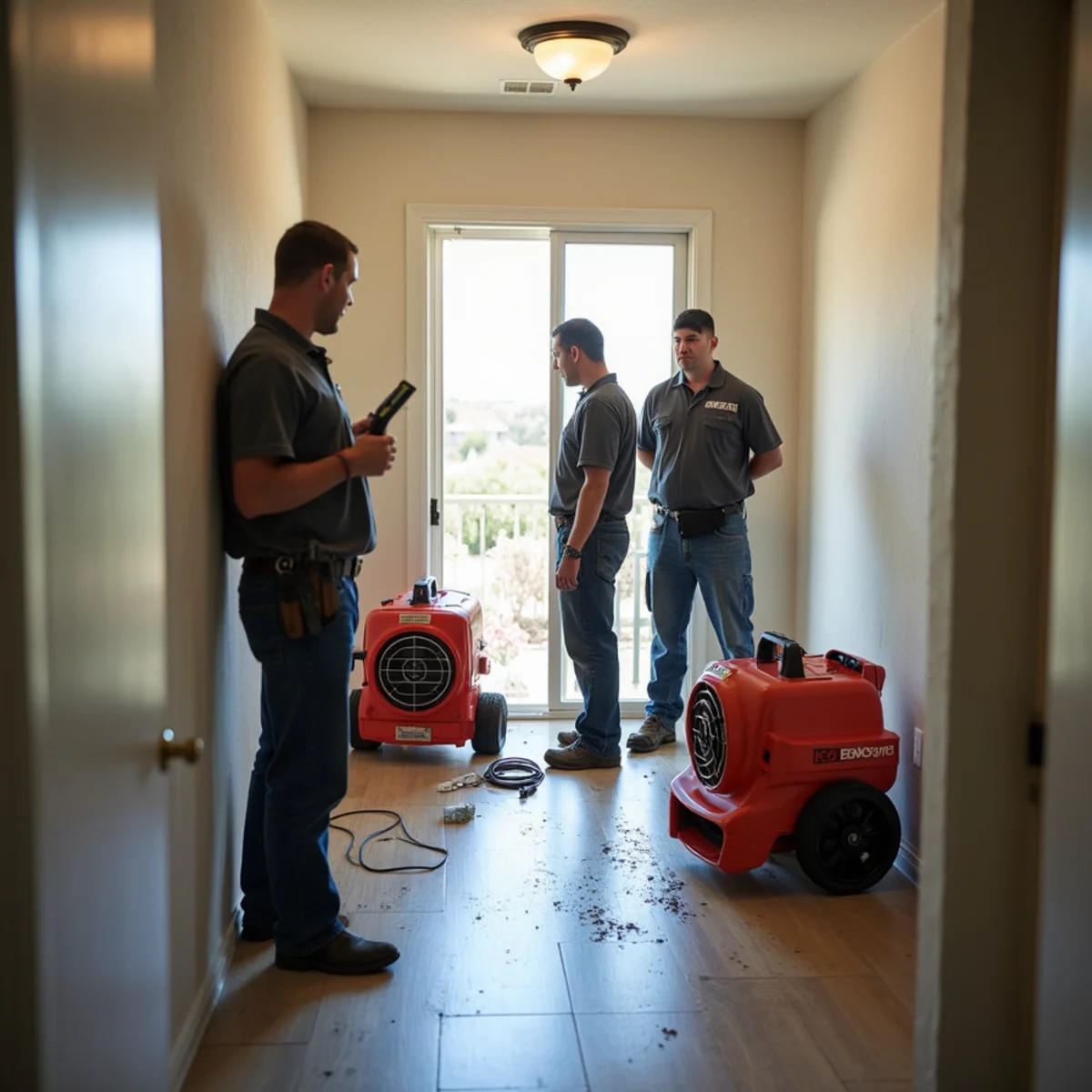
These instruments do not print an answer, they present sounds and images a trained person interprets. Experience reading acoustic signals and thermal patterns is what turns raw data into an accurate X on your floor. The equipment and the technician work together.
Thermal imaging
A thermal imaging camera reads surface temperature, and that is powerful for a hot-water slab leak. Hot water escaping under the floor warms the concrete and the flooring above it, creating a temperature pattern the camera can see even though your eye cannot. We scan the floor and look for the telltale warm trail or hot spot that follows the leaking line. Thermal imaging is especially useful for tracing the path of a hot-water line and confirming what the acoustic equipment suggests, two independent tools pointing at the same spot give us confidence before we open anything.
Tracer gas for the tricky ones
Some leaks are stubborn, small, quiet, or in a spot where sound and heat are hard to read. For those, tracer gas is the answer. We introduce a safe, detectable gas mixture into the drained line under pressure. The gas escapes through the leak and rises up through the slab and flooring, where a sensitive detector picks it up at the surface, marking the exact exit point. Because the gas finds the smallest openings, this method pinpoints leaks that other techniques struggle with. It is the specialist tool we reach for when precision has to be exact.
Water damage right now? Don't wait.
45-minute average dispatch across Murrieta • available 24/7 • licensed & insured
From "somewhere under the slab" to an X on the floor
The reason we use several methods is that they confirm each other. Pressure testing proves there is a leak and identifies the line. Acoustic listening narrows the location. Thermal imaging traces the line and corroborates the spot. Tracer gas nails the exact point when needed. By the time we mark the floor, we are not guessing, we have multiple tools agreeing. That is what lets the repair be a small, precise opening instead of an exploratory dig across the room.
What happens after we find it
Once the leak is pinpointed, the repair options open up, and because we know exactly where it is, you can choose based on the situation rather than being forced into the most invasive route. There are typically a few paths, a spot repair that opens just the one location, rerouting the affected line, or in some cases repiping, and knowing the precise location is what makes the least invasive option possible. If the leak has already caused water damage under or around the slab, our slab leak restoration addresses the moisture, drying, and any affected materials alongside the repair. We help homeowners in Alta Murrieta and Mapleton find and fix slab leaks with the floor largely intact. If you are wondering why so many Murrieta homes are dealing with this now, our piece on the local first repair cycle for slab homes explains the age factor.
Frequently Asked Questions
No. We locate the leak first with non-invasive tools, pressure testing, acoustic listening, thermal imaging, and tracer gas when needed. Only after the leak is pinpointed is a small, exact opening made for the repair. The detection itself does not require breaking your floor.
When multiple methods agree, it is quite precise, often narrowing the leak to a small area. That is why we combine techniques: pressure testing identifies the line, acoustic and thermal locate it, and tracer gas confirms tricky cases. The cross-check is what allows a targeted repair instead of exploratory digging.
Yes. Pressure testing the hot and cold lines separately shows which one is losing pressure, and thermal imaging reveals the warm trail of a hot-water leak. Identifying the line early narrows the search and is one reason detection can be so precise before any opening is made.
Because the exact spot is known, options include a spot repair through one small opening, rerouting the affected line, or repiping in some cases. The precise location makes the least invasive route possible. If water damage occurred under the slab, we handle the drying and restoration alongside the repair.
Written & reviewed by the Water Damage Restoration Murrieta team
IICRC-certified, licensed & insured water damage restoration professionals serving Murrieta and southwest Riverside County. Questions about your situation? Call (201) 277-9344 — we answer 24/7.
Serving these areas: