The worst time to go looking for your main water shutoff is when water is spraying across the room and you are ankle-deep in it. Yet that is exactly when most people learn they have no idea where it is.
Finding it takes five minutes on a calm afternoon. Knowing where that valve is — and that it actually turns — is the single cheapest thing you can do to prevent thousands of dollars in water damage. Let us walk through it so you never have to search in a panic.
Where the main shutoff usually is in a Murrieta home
In our area, the main house valve is almost always in one of three places:
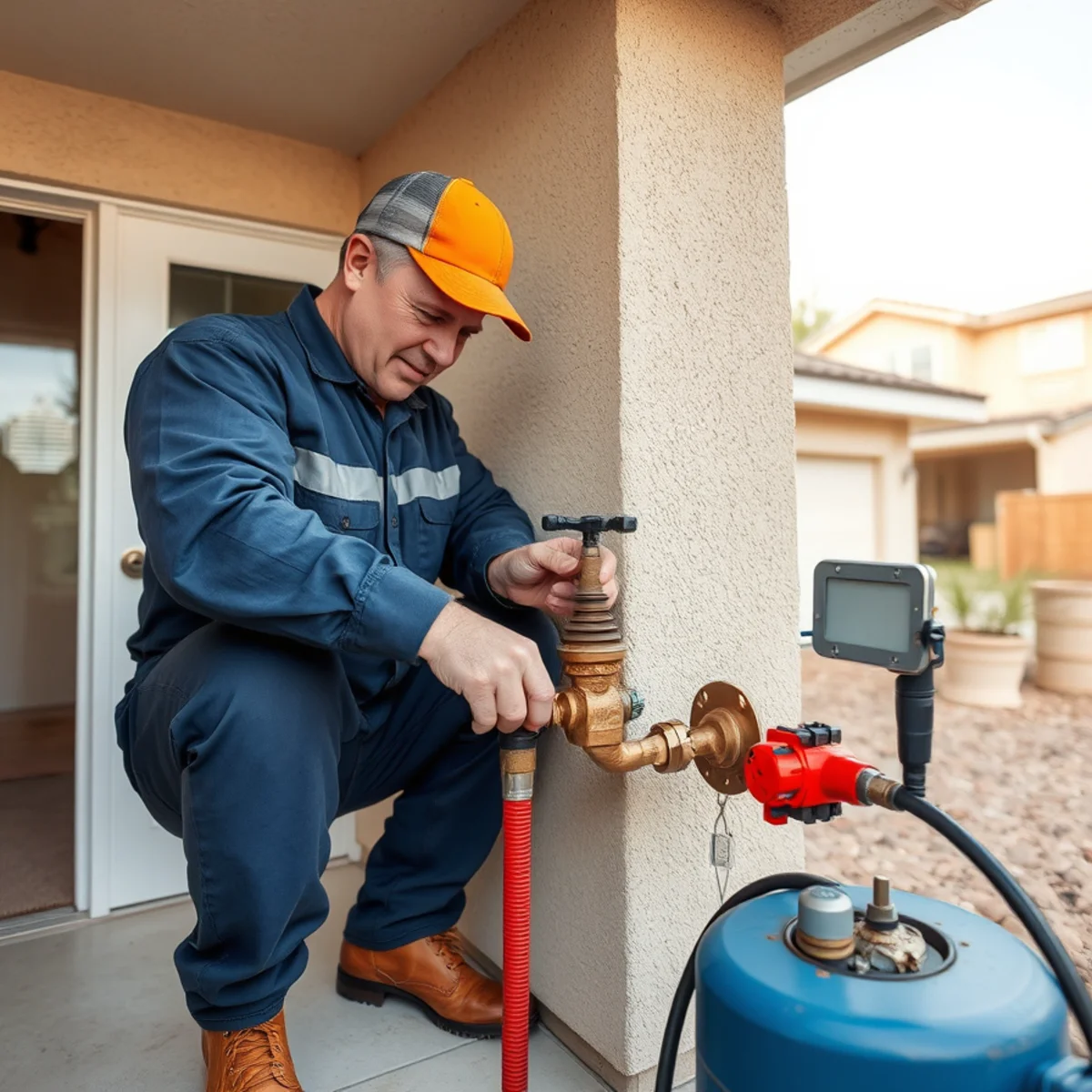
- In an exterior wall box or on the wall near your front hose bib, often on the side of the house facing the street.
- Inside the garage, on the wall that backs up to the front of the house.
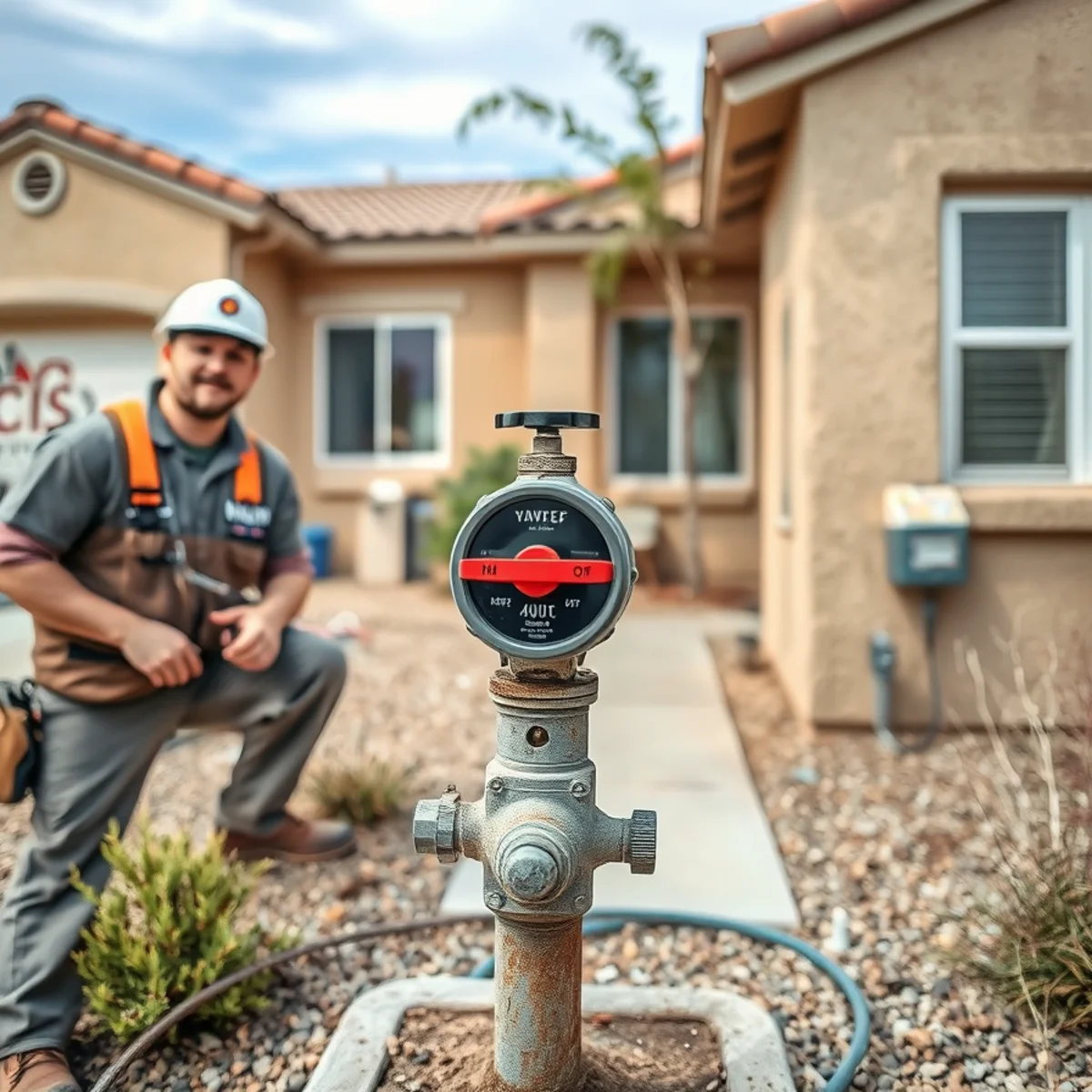
- At the water meter box near the street or sidewalk, under a concrete or plastic lid marked water.
Most 1990s-to-2010s slab homes in Murrieta have the house-side valve on an exterior wall close to where the water line enters. Walk your foundation line from the front hose bib and you will usually spot it.
The two valves you should know
There are really two shutoffs, and it helps to know both:
- The house-side main valve, on or near the house. This is the one you will use in an emergency because it is closest and easiest to reach.
- The street-side meter valve, inside the meter box supplied by your water district — Rancho California Water District or Eastern Municipal. It requires a meter key to turn and is your backup if the house valve fails.
How to actually shut it off
There are two common valve types, and they close differently:
- A ball valve has a straight lever handle. Turn it a quarter turn so the handle sits crosswise to the pipe, and the water is off.
- A gate valve has a round wheel handle. Turn it clockwise — righty-tighty — and keep turning; it may take several full rotations to close completely.
If you cannot tell which type you have, look at the handle: a lever means a ball valve and a quarter turn; a round wheel means a gate valve and several turns. Either way, turn it until it stops, then check that an inside faucet runs dry so you know the water is fully off.
Test it once a year
Valves that never move can seize up, especially older gate valves. Once a year, close your main valve, check that a faucet inside runs dry, then reopen it. If it is stuck, leaks, or you have to force it, have it replaced now — not during an emergency. Keep a meter key near the box as a backup.
Make sure everyone in the house knows
A shutoff only helps if the person who happens to be home during the emergency can find it. Walk each adult and older kid to the valve, show them which way it turns, and leave a wrench or meter key nearby if the valve needs one.
- Snap a photo of the valve's location and save it in your phone.
- Tag or label the main valve so it is easy to spot in a hurry.
- Keep a meter key by the meter box for the street-side backup.
- Point out the fixture shutoffs too, especially behind toilets and the washer.
The individual shutoffs worth knowing too
You do not always need to kill water to the whole house. Most fixtures have their own local shutoff, and using it keeps water on everywhere else:
- Under every sink, there are usually two small valves for hot and cold.
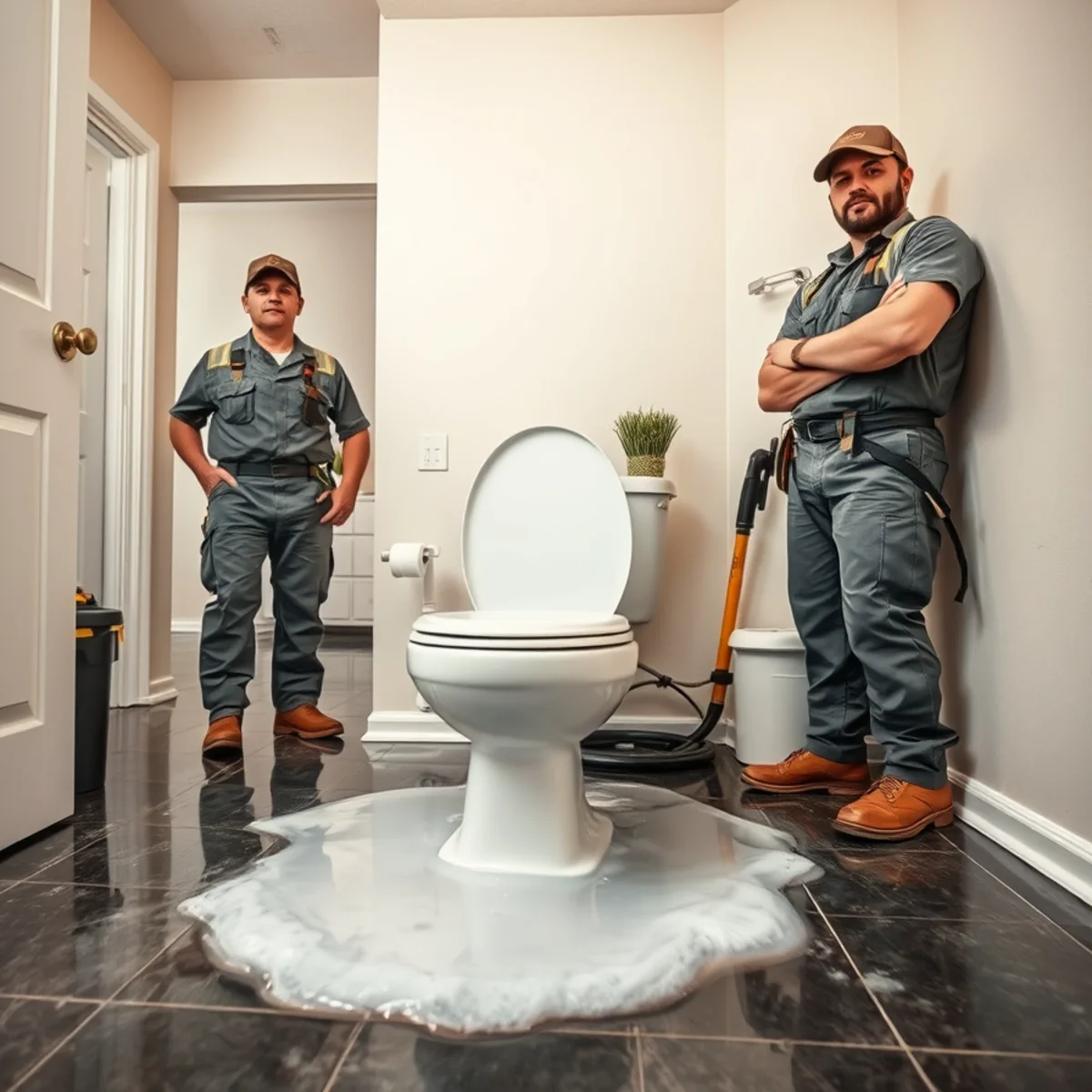
- Behind each toilet, low on the wall, is a single supply valve.
- Behind the washing machine are hot and cold valves.
- At the water heater, a valve on the cold inlet line isolates the tank.
Water damage right now? Don't wait.
45-minute average dispatch across Murrieta • available 24/7 • licensed & insured
After you have shut the water off in an emergency
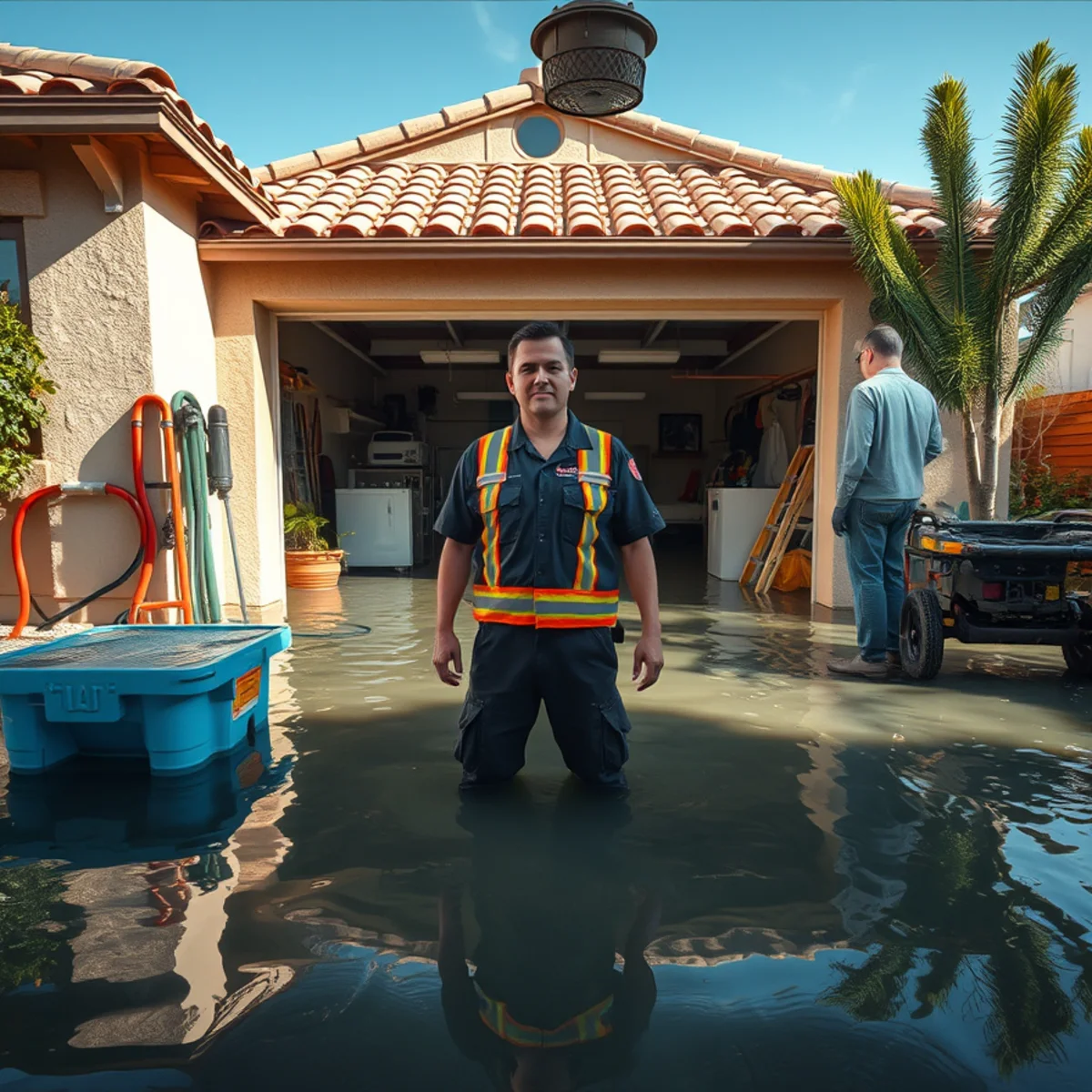
Stopping the flow is step one. The water already in your floors and walls is step two, and it does not wait. In Murrieta's dry air the surface can look fine within a day while the subfloor and wall base stay soaked, which is how mold gets started in 24 to 48 hours. If you have had a real leak, get professional eyes on it before you assume it dried.
Turning the water off does not undo the damage already done — it only stops it from getting worse. What matters next is how fast the water sitting in your floors and walls comes back out.
Our Murrieta team provides 24/7 emergency water removal and can be at homes in Alta Murrieta, Menifee, and across the region within about an hour. If you are dealing with a hidden or slow leak rather than an obvious burst, our leak detection service can pinpoint it without tearing up the house.
Knowing your main water valve turns a catastrophe into an inconvenience. Find yours today, make sure it moves, and show everyone in the house where it is. Then, if the worst happens, shut it off, call our 24/7 team, and let us handle the water that is already inside.
Frequently Asked Questions
Usually in one of three spots: an exterior wall box near the front hose bib, inside the garage on the front-facing wall, or at the meter box near the street. Walking your foundation from the front hose bib is the fastest way to find the house-side valve.
A lever-style ball valve closes with a quarter turn so the handle sits across the pipe. A round-wheel gate valve closes clockwise and may take several full turns. If it is hard to move, have it serviced before you actually need it.
The house-side valve is on or near the house and is the one to use in an emergency. The street-side meter valve sits in the district's meter box, needs a meter key, and is your backup if the house valve will not close.
If more than a little water got out, yes. The surface dries deceptively fast in our climate while the subfloor and walls stay wet. Call our team for emergency water removal so hidden moisture does not turn into mold.
Written & reviewed by the Water Damage Restoration Murrieta team
IICRC-certified, licensed & insured water damage restoration professionals serving Murrieta and southwest Riverside County. Questions about your situation? Call (201) 277-9344 — we answer 24/7.
Serving these areas: