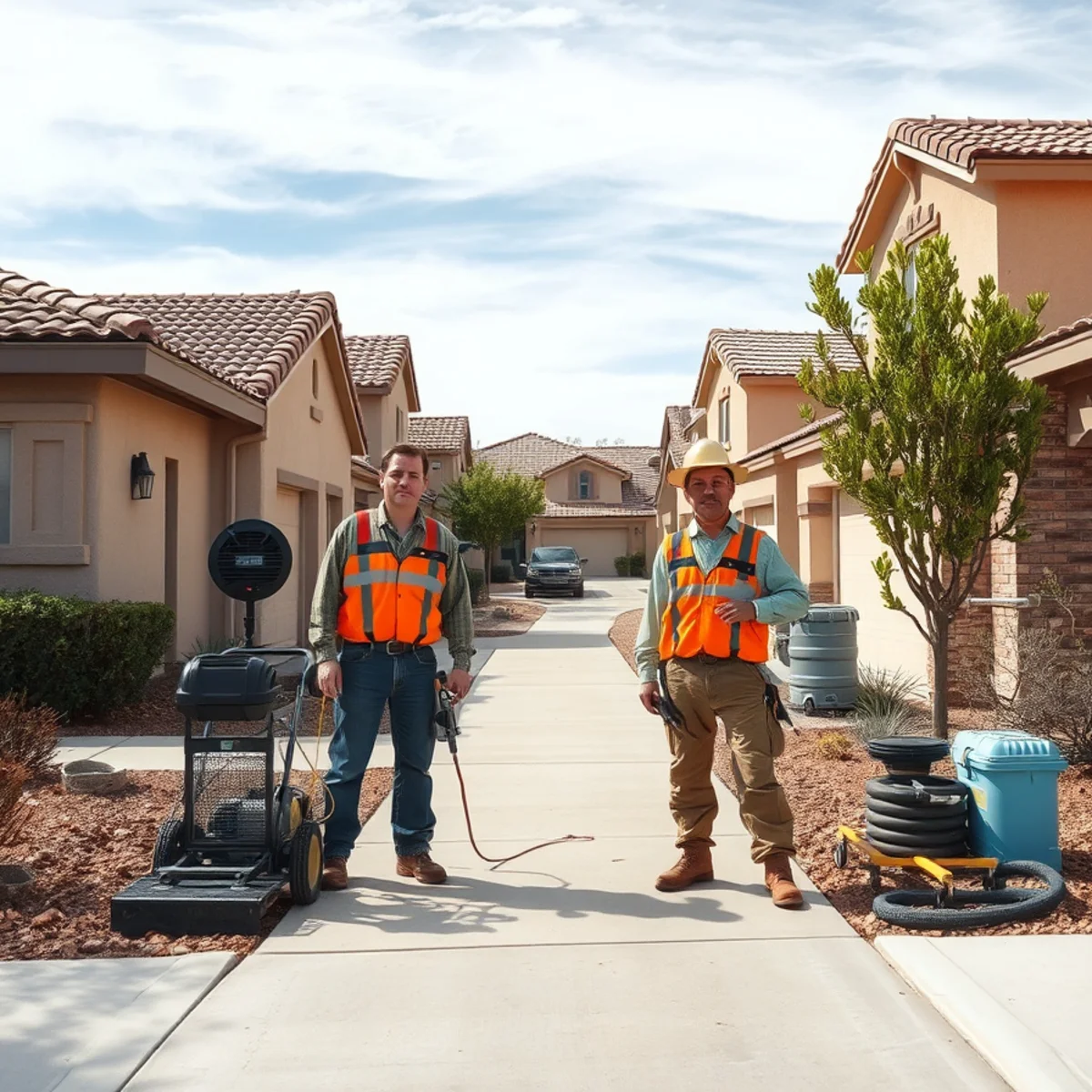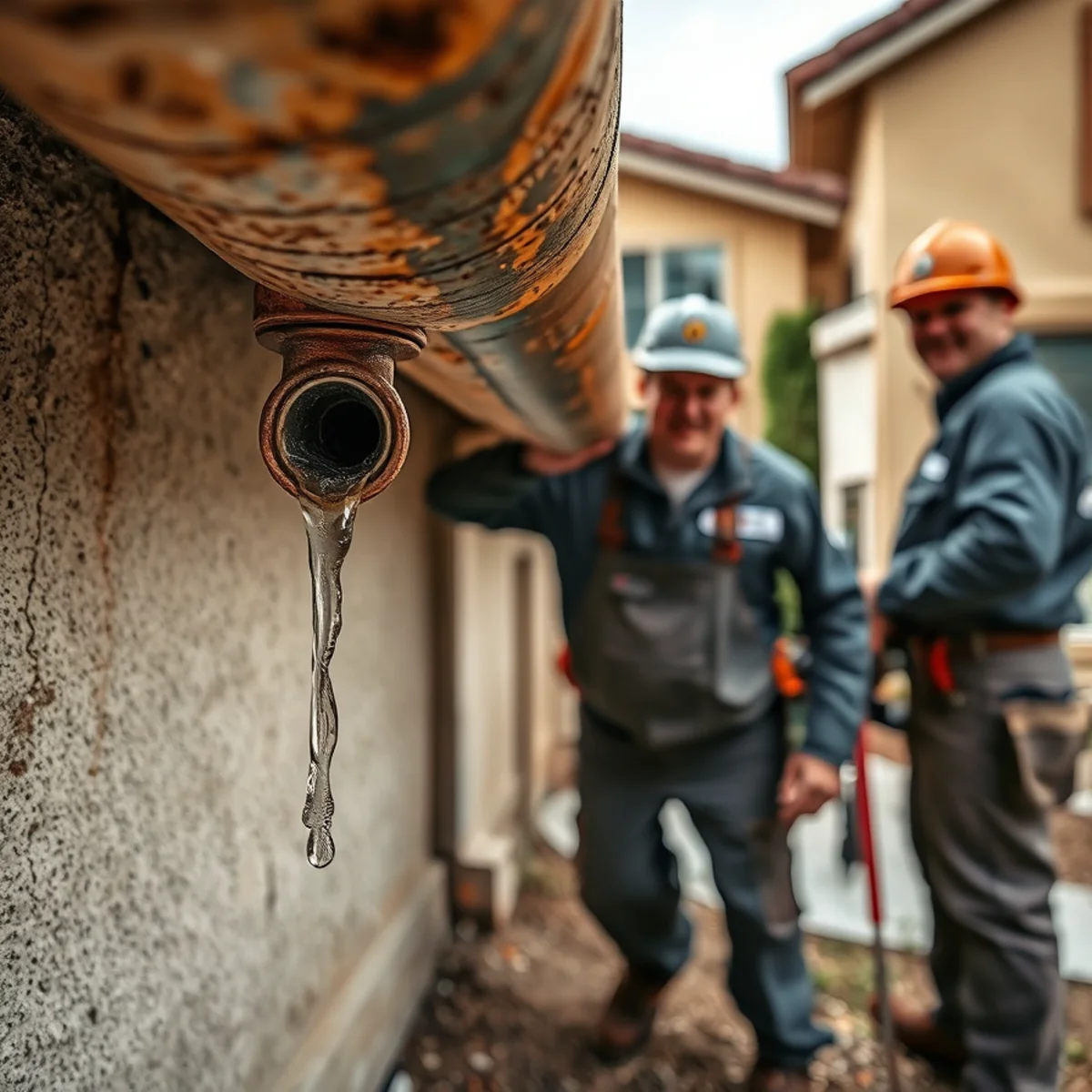
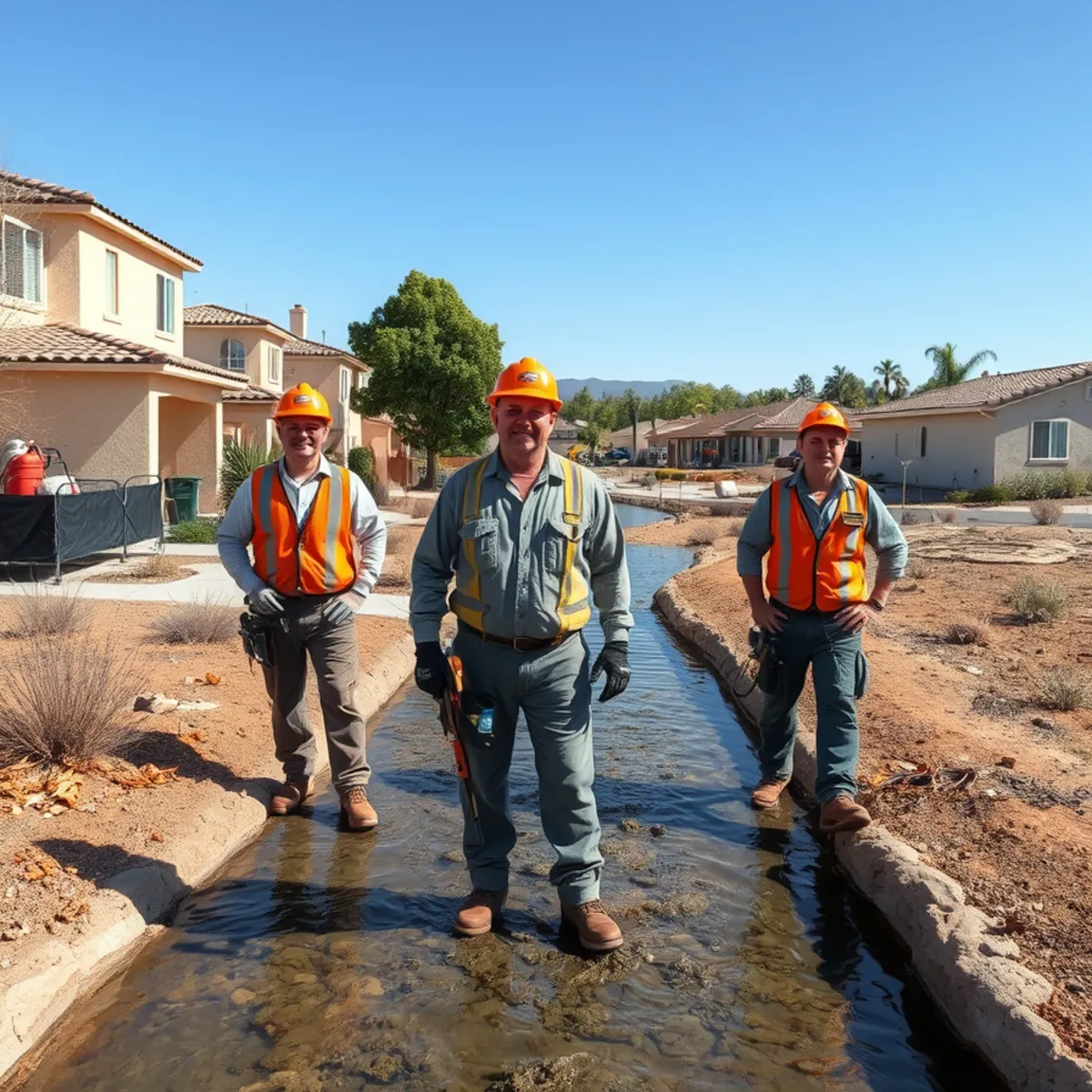
Most conversations about flooding in Murrieta focus on Murrieta Creek and Old Town. But the city has a second waterway worth knowing about if you live on the south side. Warm Springs Creek forms part of Murrieta's southern boundary, and parts of the neighborhoods near it fall inside the mapped flood zone. If your home is in south Murrieta — around Warm Springs or Creek Side — here is what to keep in mind. None of it is cause for alarm; it is just worth knowing the ground you live on before the first big storm tests it.
Where Warm Springs Creek runs
Warm Springs Creek traces part of Murrieta's southern city limit, marking roughly where Murrieta meets Temecula. For most of the year it is an unremarkable drainage — dry or nearly dry, blending into the landscape. During the winter rainy season, though, it carries runoff from the surrounding area, and the ground nearest the channel is the first to feel a big storm. The neighborhoods that grew up along the southern edge of the city sit close enough that a portion of them falls within the flood hazard area.
Who is actually at risk
Not every home in south Murrieta is in the flood zone — but some are, and others sit just outside it in low spots that still collect water. Flood maps are drawn along elevation contours, so two houses on the same street can have different risk levels. The homes most worth checking are those closest to the channel, those at the bottom of a slope where runoff naturally pools, and those on lots that were graded to drain toward, rather than away from, the structure. The only way to know your own status is to look up your address.
Same street, different risk
Flood zones follow elevation, not property lines or blocks. Your neighbor can be out of the zone while you are in it. Check your specific address on the FEMA Flood Map Service Center rather than assuming.
How south Murrieta floods
Flooding near Warm Springs Creek follows the same rhythm as the rest of the region. Almost all of Murrieta's roughly 11 inches of annual rain falls between November and March, often in concentrated storms. After a dry summer, the soil is hard and sheds water instead of absorbing it, so runoff builds quickly and heads for the lowest ground. When a strong system stalls over southwest Riverside County, the creek and the local storm drains can fill faster than they clear, and water backs up into streets and yards. The danger is rarely a slow, obvious rise — it is a fast one during the peak of a storm. It is worth walking your own lot in the rain at least once so you learn its behavior: where the water sheets, where it stalls, and which corner of the yard fills first. That ten-minute observation tells you exactly where to stage sandbags and focus drainage improvements before the next system arrives.
It is not just the creek — it is the whole south side
Warm Springs Creek gets the name recognition, but the bigger day-to-day risk on the south side is ordinary drainage. New and older neighborhoods alike rely on a network of streets, curb gutters, and storm drains to move a heavy rain toward the creek. When that network clogs with leaves and sediment, or simply meets more water than it was sized for, the overflow does not wait to reach the channel — it pools at the low point of a cul-de-sac or sheets across a yard. So while homes closest to the creek carry the clearest flood-zone risk, almost any low-lying lot in south Murrieta can take on water in a strong enough storm. The defense is the same either way: keep water moving away from your home, and know where it wants to collect.
Protecting a home near the creek
- Confirm your flood zone. Look up your address on the FEMA Flood Map Service Center or ask your insurance agent for your designation.
- Consider flood insurance. Homeowners policies exclude creek and surface flooding; a separate flood policy covers it, with a 30-day waiting period before it activates.
- Fix your grading and drainage. Soil should slope away from the house, and downspouts should release well away from the foundation.
- Keep the nearby channel and drains clear. Debris that blocks flow makes backups worse; report clogged public drains to the city before the season.
- Elevate what you can. Keep valuables, documents, and — where practical — mechanical equipment off the floor in at-risk areas.
- Prepare sandbags in advance. Have them staged before a storm, not after the water starts rising.
Prep before the first storm
The best time to grade soil, clear drains, and stage sandbags is a dry week in October. Once the rain starts, options narrow fast — and flood insurance bought mid-storm will not cover that storm.
Water damage right now? Don't wait.
45-minute average dispatch across Murrieta • available 24/7 • licensed & insured
When water reaches your door
If Warm Springs Creek or local runoff pushes water into your home, act quickly and safely. Get people and pets away from moving water, avoid electrical hazards, and once it is safe, get the extraction going. Storm and creek water often carries mud, debris, and contaminants, so it should be handled with proper protection and drying. Our Murrieta team provides flood cleanup, 24/7 emergency water removal, and storm damage cleanup to south Murrieta neighborhoods including Warm Springs and Creek Side. We are licensed, insured, and available 24/7, and we follow IICRC S500 standards. If water is coming in, call our 24/7 team for fast water damage restoration in Murrieta.
Frequently Asked Questions
Yes, for homes near it. Warm Springs Creek forms part of Murrieta's southern city limit, and parts of the neighborhoods along it fall within the mapped flood zone. Homes closest to the channel and in low spots face the most risk.
Look up your specific address on the FEMA Flood Map Service Center, or ask your insurance agent to pull your flood zone designation. Because zones follow elevation, your risk can differ from a neighbor's on the same street.
Generally no. Standard homeowners insurance excludes flooding from a creek or surface runoff. That requires a separate flood insurance policy, which usually has a 30-day waiting period, so arrange it before the rainy season.
During the November-to-March rainy season, especially when strong storms stack up back to back. Saturated ground and hard summer soil send runoff into the creek quickly, so the danger is usually a fast rise at the peak of a storm.
Written & reviewed by the Water Damage Restoration Murrieta team
IICRC-certified, licensed & insured water damage restoration professionals serving Murrieta and southwest Riverside County. Questions about your situation? Call (201) 277-9344 — we answer 24/7.
Serving these areas: