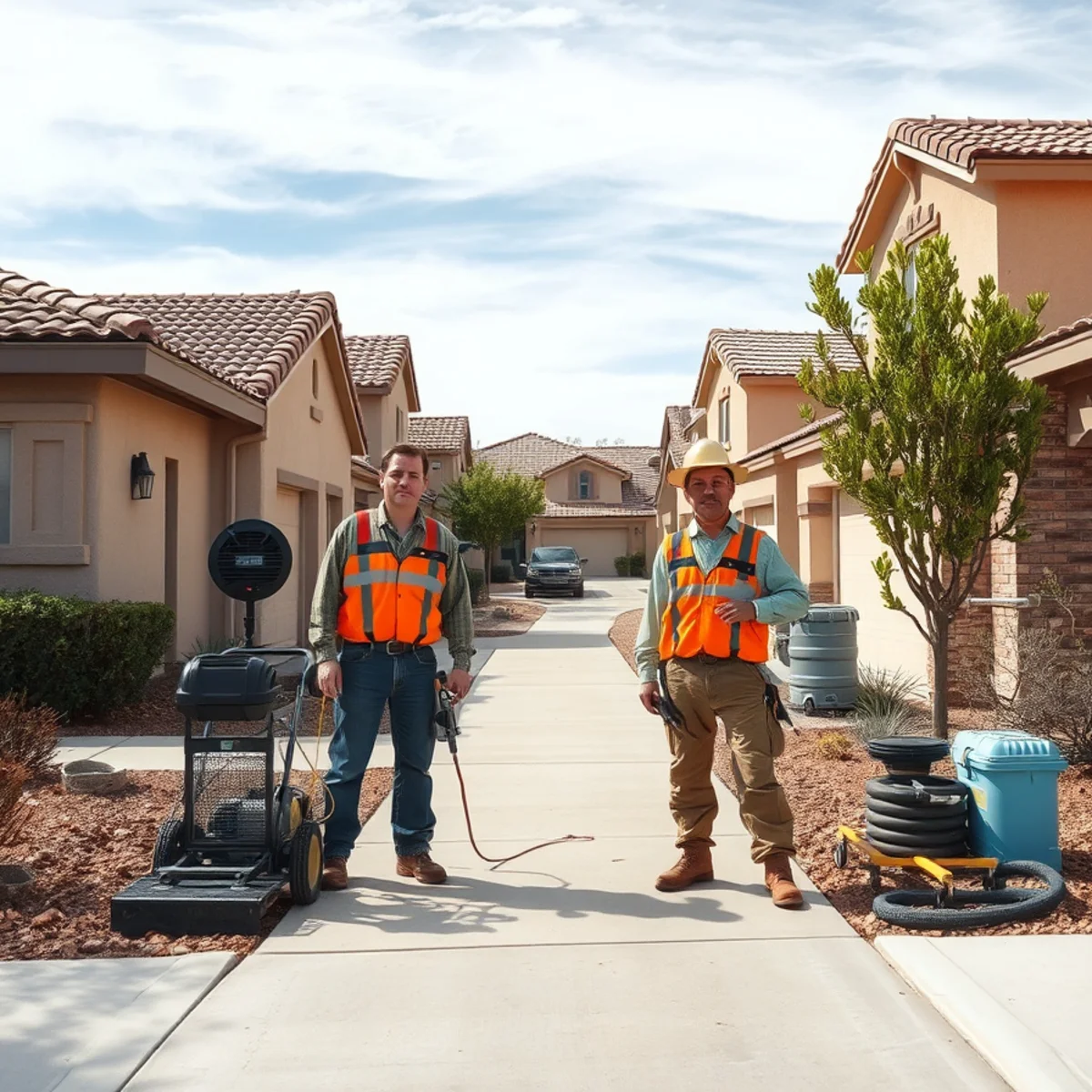

Spencer's Crossing is one of the newer master-planned communities in the French Valley area, built by Lennar with modern homes and modern plumbing. So it surprises people when a three-year-old house floods. It should not. New construction is not immune to water damage — in some ways, the first few years are exactly when certain failures show up. Understanding why, and what your builder warranty will and will not do, saves a lot of stress when it happens. The short version: new does not mean leak-proof, and the paperwork that protects you works differently than most owners assume.
Why new homes still get water damage
A brand-new home has hundreds of water connections, all installed at once by crews working on a schedule. Most are perfect. A few are not, and those are the ones that fail early. Common culprits in newer homes include:
- Loose or cross-threaded supply-line fittings under sinks and behind toilets that slowly work loose.
- A washing machine or dishwasher connection that was not fully tightened at install.
- Punch-list items that were noted but never properly fixed before closing.
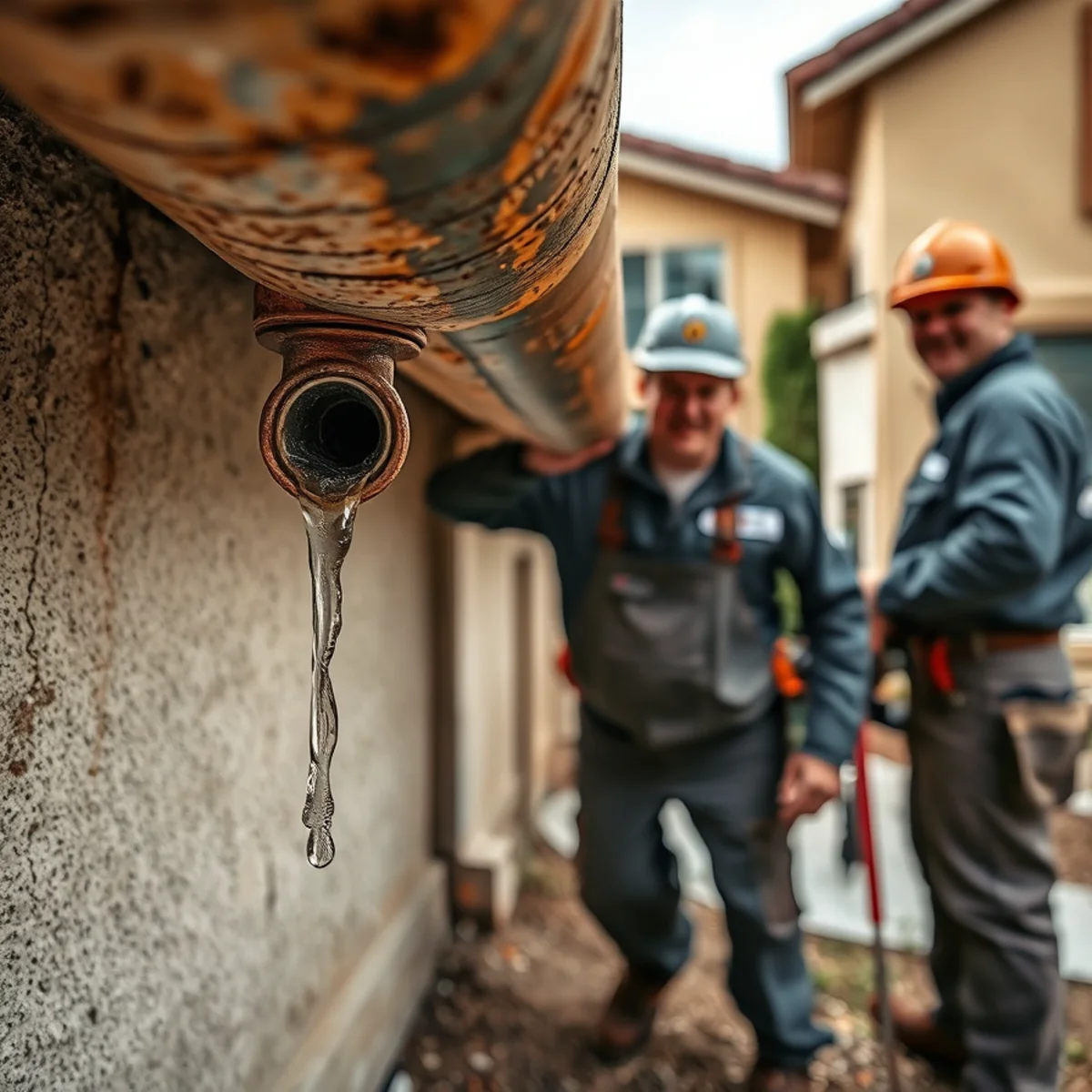
- A nail or screw driven into a pipe inside a wall during construction, which can weep for months before it shows.
- Water heater and refrigerator lines that loosen with the first cycles of pressure and temperature.
What a builder warranty actually covers
Most production builders provide a warranty that runs in tiers — often one year on workmanship, two years on systems like plumbing and electrical, and up to ten years on major structural defects. If a fitting was installed wrong or a pipe was defective, that defect is usually covered, and the builder will repair or replace the faulty component. That is genuinely useful. But there is an important limit that catches many homeowners off guard.
The warranty fixes the pipe, not the flood
A builder warranty typically covers the defective component — the bad fitting or pipe. It usually does not cover the water damage cleanup: the extraction, drying, and mold prevention needed after the leak. And it rarely comes with a 24/7 emergency response.
The gap between mitigation and repair
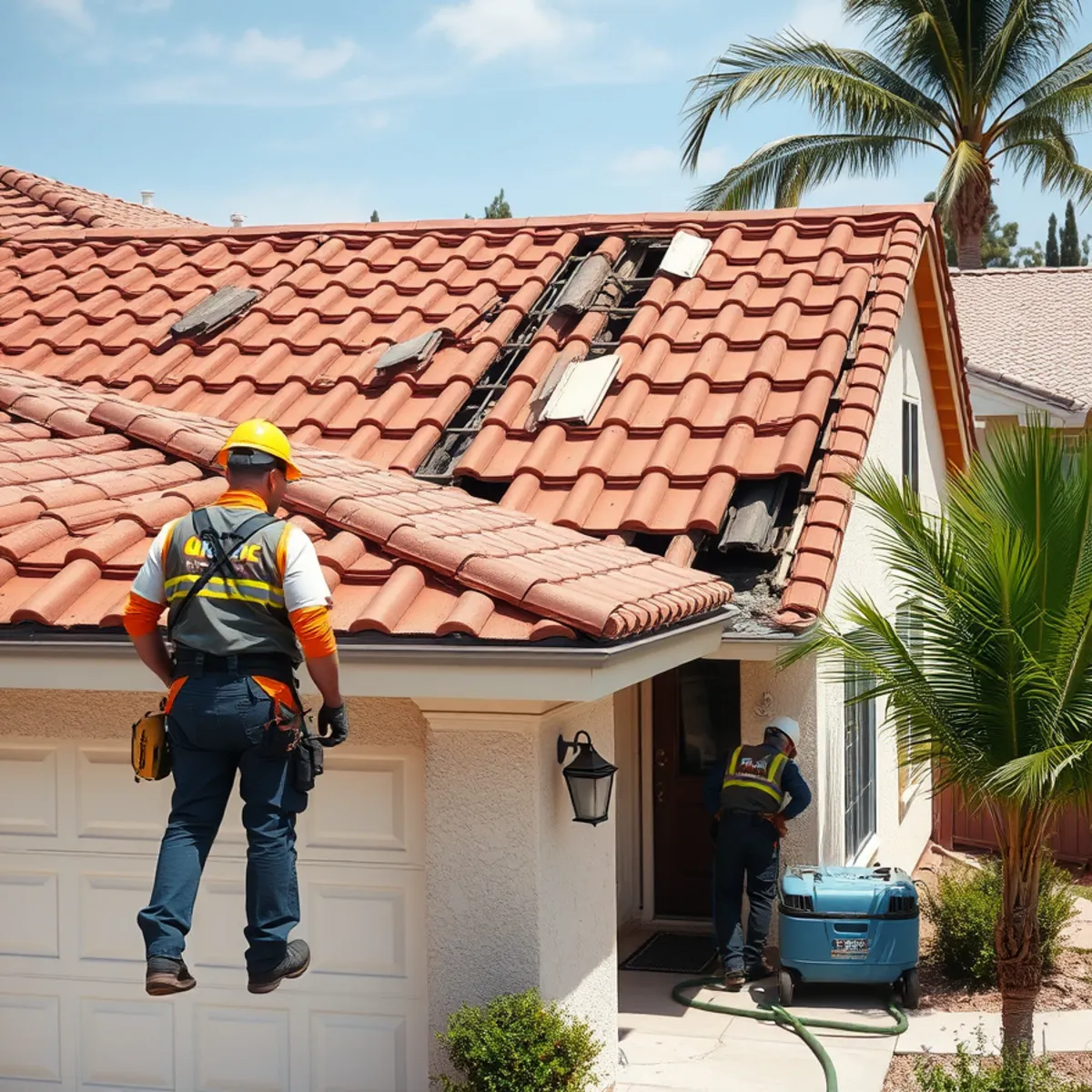
Here is the practical problem. When a supply line lets go at 2 a.m., water does not wait for a warranty claim to be processed. Every hour it sits, it soaks deeper into flooring, baseboards, and drywall, and after 24 to 48 hours mold can begin. A warranty department works on business days and its own timeline. Mitigation — the immediate extraction and drying that limits the damage — has to happen now. That is why homeowners in new communities still call a restoration company: to stop the damage today, while the warranty handles the defective part separately. The two are not in conflict; they cover different things. It also helps to keep expectations realistic about speed. A warranty coordinator may schedule a trade partner to inspect the failed part several days out, which is perfectly fine for the repair itself. But drywall, baseboards, and flooring do not pause on that schedule — they keep soaking. Treat the two tracks as independent from the very first hour, and you avoid the common mistake of letting damage spread while you wait for a callback.
What to do the moment you find water
- Shut off the water. Use the fixture's local shut-off valve, or the home's main if you cannot isolate it.
- Cut power to the area if water is near outlets or the electrical panel, and only if you can reach the breaker safely.
- Move belongings out of the water and lift furniture off wet flooring.
- Photograph everything before you clean up — the source, the standing water, and the affected rooms.
- Call for mitigation. Fast extraction and drying limit the damage no warranty check can undo.
- Notify your builder in writing and open a warranty claim for the defective component.
Keep your builder paperwork handy
File your warranty documents, closing packet, and any punch-list records somewhere you can find them fast. When a leak happens, you will want the coverage terms and the builder's warranty contact within reach, not buried in a box.
Water damage right now? Don't wait.
45-minute average dispatch across Murrieta • available 24/7 • licensed & insured
Watch the calendar on your coverage
One detail that trips up new-home owners is timing. Builder warranties run on tiers that start ticking the day you close — often one year for finishes and workmanship, two years for plumbing and other systems. The early supply-line and fitting failures we see tend to land inside those windows, which is good news, but only if you act on them. If you notice a stain, a warped baseboard, or a musty smell in the first couple of years, do not wait it out or assume it will keep. Report it in writing so it is on record before the relevant coverage tier expires. A leak you mention casually to a neighbor does nothing for your warranty rights; a dated written notice to the builder does.
Documenting for the builder and your insurer
Good documentation serves you twice — once for the builder warranty and once for your homeowners insurance, which may cover the sudden water damage even when the builder covers the part. Photograph the failed component before anyone removes it, keep the piece if you can, and save every receipt and report. Our Murrieta team provides residential water damage restoration, water extraction, and 24/7 emergency water removal for new and older homes alike across Spencer's Crossing and French Valley. We document as we work, follow IICRC S500 standards, and can share our findings with your builder and insurer. If your new home takes on water, call our 24/7 team for water damage restoration in Murrieta and let the warranty catch up afterward.
Frequently Asked Questions
Usually not. A builder warranty typically covers the defective component — the bad pipe or fitting — but not the extraction, drying, and mold prevention after the leak. Those fall to your homeowners insurance or to you, which is why fast mitigation matters.
New homes have hundreds of water connections installed at once. A few end up loose, cross-threaded, or overlooked on the punch list, and those tend to fail in the first few years. A nail through a hidden pipe can also weep for months before it shows.
Call for mitigation first if there is standing water — extraction and drying are time-sensitive and stop the damage from spreading. Then open a warranty claim with your builder for the defective part. The two processes cover different things and can run in parallel.
Often yes, for sudden and accidental water damage, even in a new build. Document the source and the damage thoroughly. Coverage depends on your policy, so review it or ask your agent, and keep the failed part and all receipts.
Written & reviewed by the Water Damage Restoration Murrieta team
IICRC-certified, licensed & insured water damage restoration professionals serving Murrieta and southwest Riverside County. Questions about your situation? Call (201) 277-9344 — we answer 24/7.
Serving these areas: