In a Murrieta garage, the water heater is easy to ignore. It sits in the corner doing its job until, one day, it does not. California has a specific law about how that tank must be secured, and the reason is simple: we live in earthquake country, and an unsecured water heater is one of the most common quake hazards in a home. Here is what the law requires and why it matters for your property. It takes about five minutes to check and the fix costs less than a tank of gas, which makes it one of the best safety-to-effort trades in the whole house.
What the law actually requires
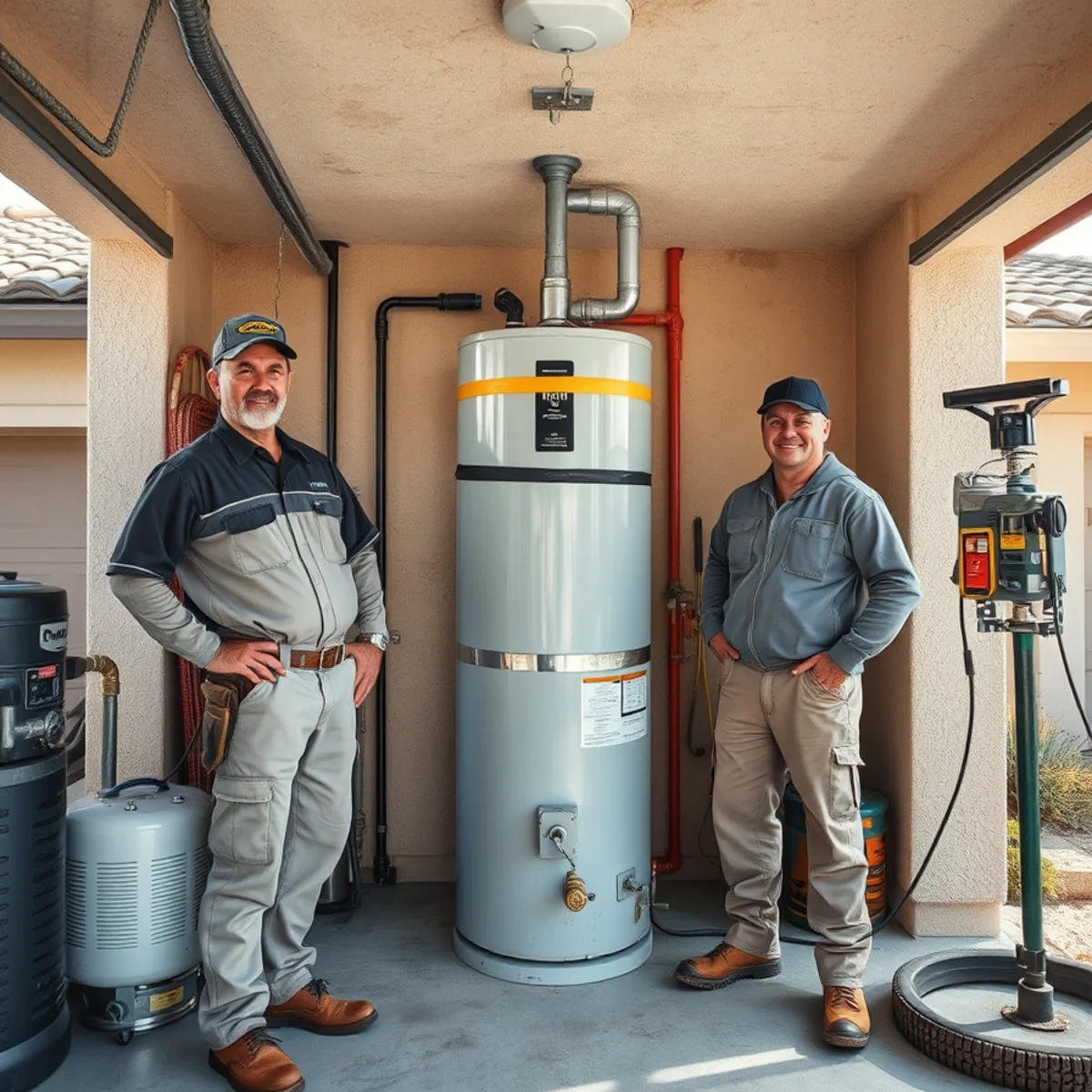
California Health and Safety Code section 19211 requires water heaters to be braced, anchored, or strapped to resist falling or moving during an earthquake. In practice, that means two straps — an upper strap and a lower strap — that wrap around the tank and fasten into the wall studs behind it. The upper strap sits in the top third of the tank, the lower strap in the bottom third, above the controls. This is a code requirement statewide, and it applies to both new installations and existing heaters. When a home is sold, the seller is generally responsible for certifying that the water heater is properly braced.
Two straps, not one
A single strap around the middle does not meet code and does not do the job. The law calls for bracing in the upper and lower thirds of the tank so it cannot pivot and topple. If your heater has one strap — or none — it is not compliant.
Why a strap matters in earthquake country
A full water heater is heavy and top-loaded with water. When the ground shakes, that mass wants to move, and a tank sitting free on its legs can rock, walk across the floor, and tip over. When it goes down, it takes its connections with it. The rigid water lines shear, and — on a gas unit — the gas line can break too. Now you have water pouring into your garage and, in the worst case, gas escaping near the pilot flame or an electrical source. The strap is a few dollars of steel that prevents a very expensive and dangerous failure. It is worth picturing where your tank would land. If it sits near the door into the house, beside the electrical panel, or above a finished room, a topple is not just a garage cleanup — it is water pushing into living space and a possible electrical or gas hazard, all at the worst possible moment during or right after a quake, when help may be stretched thin across the region.
What an unstrapped heater can do
When a water heater topples and shears its lines, the damage tends to come in layers:
- Water damage — a supply line running wide open can release hundreds of gallons into the garage and adjoining rooms.
- Gas leak — a broken gas line is a fire and health hazard, especially with a pilot light nearby.
- Structural soaking — water wicks into drywall, framing, and any stored belongings on the garage floor.
- Mold risk — trapped moisture behind walls and under baseboards can start growing within a day or two.
How to check yours in five minutes
- Find the tank. In most Murrieta homes it is in the garage; in some it is in an exterior closet or interior utility space.
- Count the straps. You should see two metal straps — one in the top third of the tank, one in the bottom third, above the controls.
- Check that they anchor into studs. The straps should fasten into the wall framing, not just the drywall, and wrap snugly around the tank.
- Look at the lines. The water and gas connections should have a flexible connector, which handles movement far better than rigid pipe.
- Fix any gaps. If a strap is missing, loose, or the kit is not rated for water heaters, replace it. Strapping kits are inexpensive and sold at any hardware store; a plumber can install one quickly.
Newer home? Still check.
Even in newer communities like Spencer's Crossing, we see straps that were installed loose or anchored only into drywall. New construction passes inspection, but straps can loosen over time — a two-minute look now is worth it.
Water damage right now? Don't wait.
45-minute average dispatch across Murrieta • available 24/7 • licensed & insured
Beyond the straps: a drip pan and a shut-off
Strapping handles the earthquake risk, but two more inexpensive upgrades handle the everyday leak risk. The first is a drip pan — a shallow metal or plastic tray under the tank that catches a slow weep and routes it to a drain instead of letting it spread across the garage floor. Many older installations do not have one, and adding it is cheap. The second is knowing, and testing, the shut-off valve on the cold line feeding the tank. In an emergency you want to close that valve in seconds, not spend five minutes hunting for it while water spreads. If your heater sits above a finished room or near stored belongings, both upgrades are worth asking your plumber about the next time they are out.
When you sell your home, and when it leaks anyway
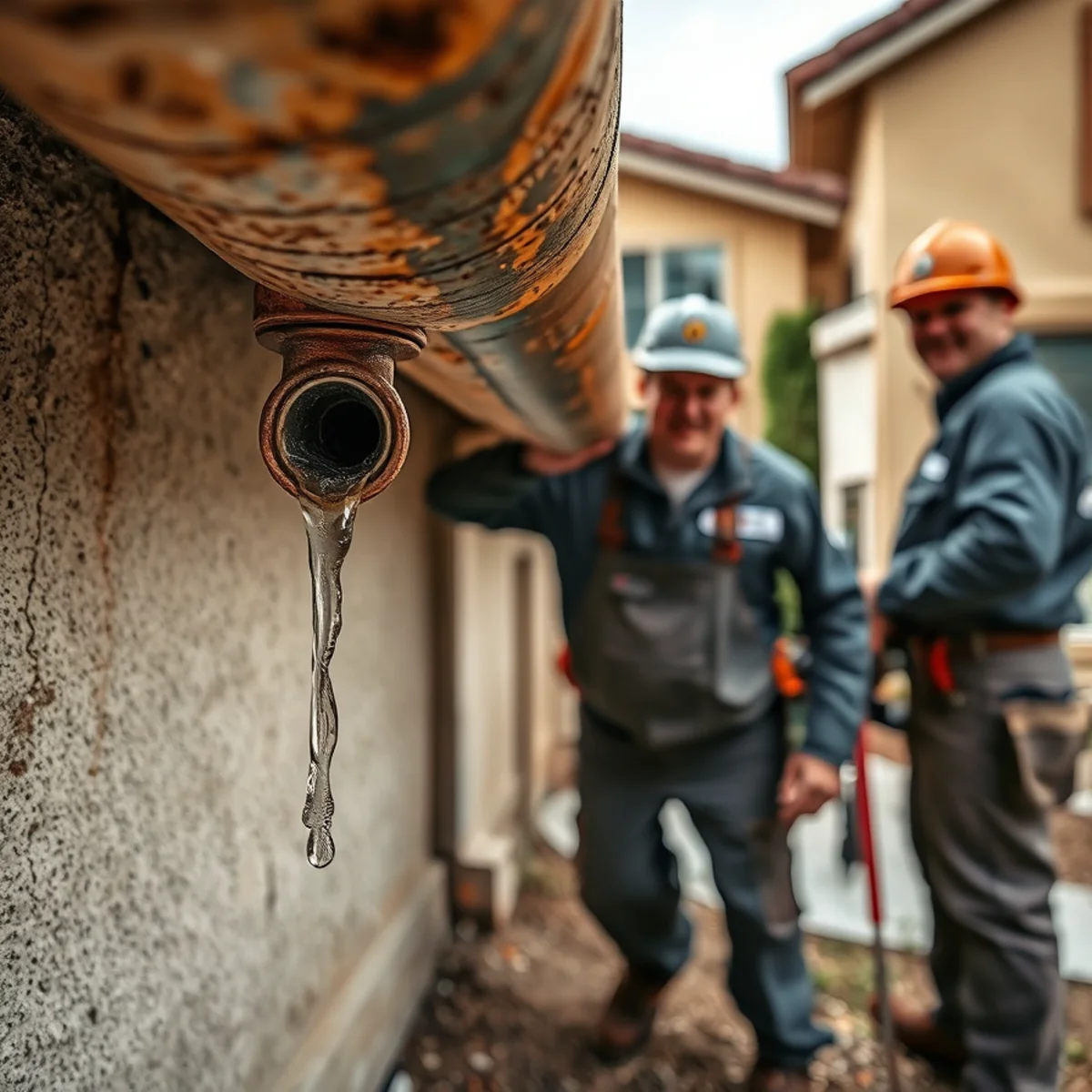
If you are selling, expect the water heater strapping to come up. California requires proper bracing as a condition tied to the transfer of many homes, and a missing strap is an easy item for an inspector to flag. Beyond compliance, it is genuinely one of the cheapest safety upgrades you can make. But strapping prevents the earthquake failure — it does not stop a tank from leaking as it ages. When a water heater rusts through or a fitting fails, water can run for hours before anyone notices. Our Murrieta team handles water heater leak cleanup and 24/7 emergency water removal, following IICRC S500 drying standards. If you find your garage or Central Park-area utility room flooded, shut off the water and gas if you safely can, then call our 24/7 team. We provide fast water damage restoration in Murrieta so a leak does not turn into a mold problem.
Frequently Asked Questions
Yes. California Health and Safety Code section 19211 requires water heaters to be braced or strapped against earthquake movement. The standard is two straps, one in the upper third of the tank and one in the lower third, anchored into wall studs.
Two. Code calls for an upper strap and a lower strap. A single strap around the middle does not meet the requirement and will not keep a full tank from tipping in a quake.
No. Strapping prevents the tank from toppling and shearing its water and gas lines during an earthquake. It does not prevent age-related leaks. Most tanks last 8 to 12 years, and a leaking one should be inspected or replaced regardless of how well it is strapped.
In a California home sale, the seller is generally responsible for certifying that the water heater is properly braced to code. It is an inexpensive fix, so it is worth handling before the inspection rather than negotiating over it later.
Written & reviewed by the Water Damage Restoration Murrieta team
IICRC-certified, licensed & insured water damage restoration professionals serving Murrieta and southwest Riverside County. Questions about your situation? Call (201) 277-9344 — we answer 24/7.
Serving these areas: