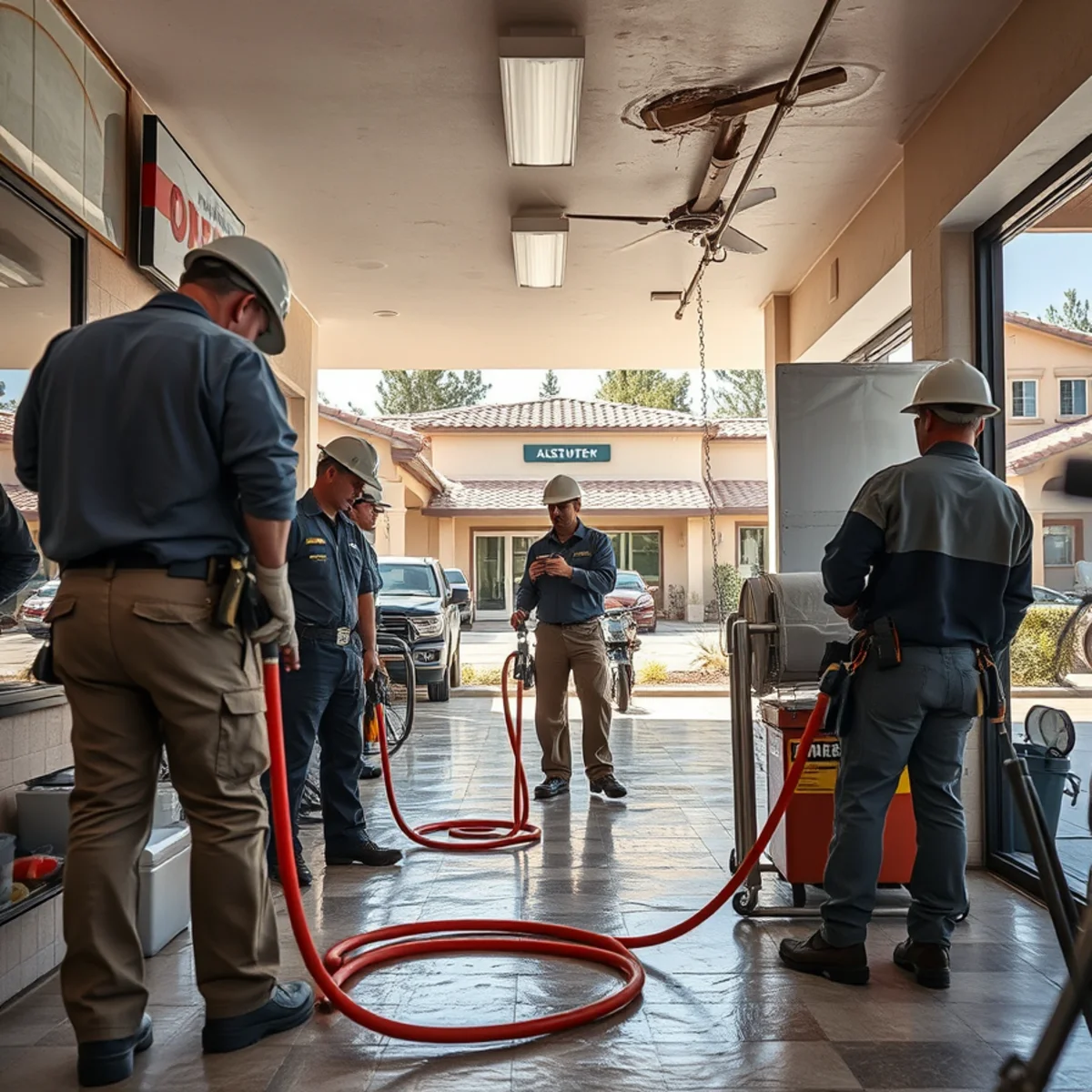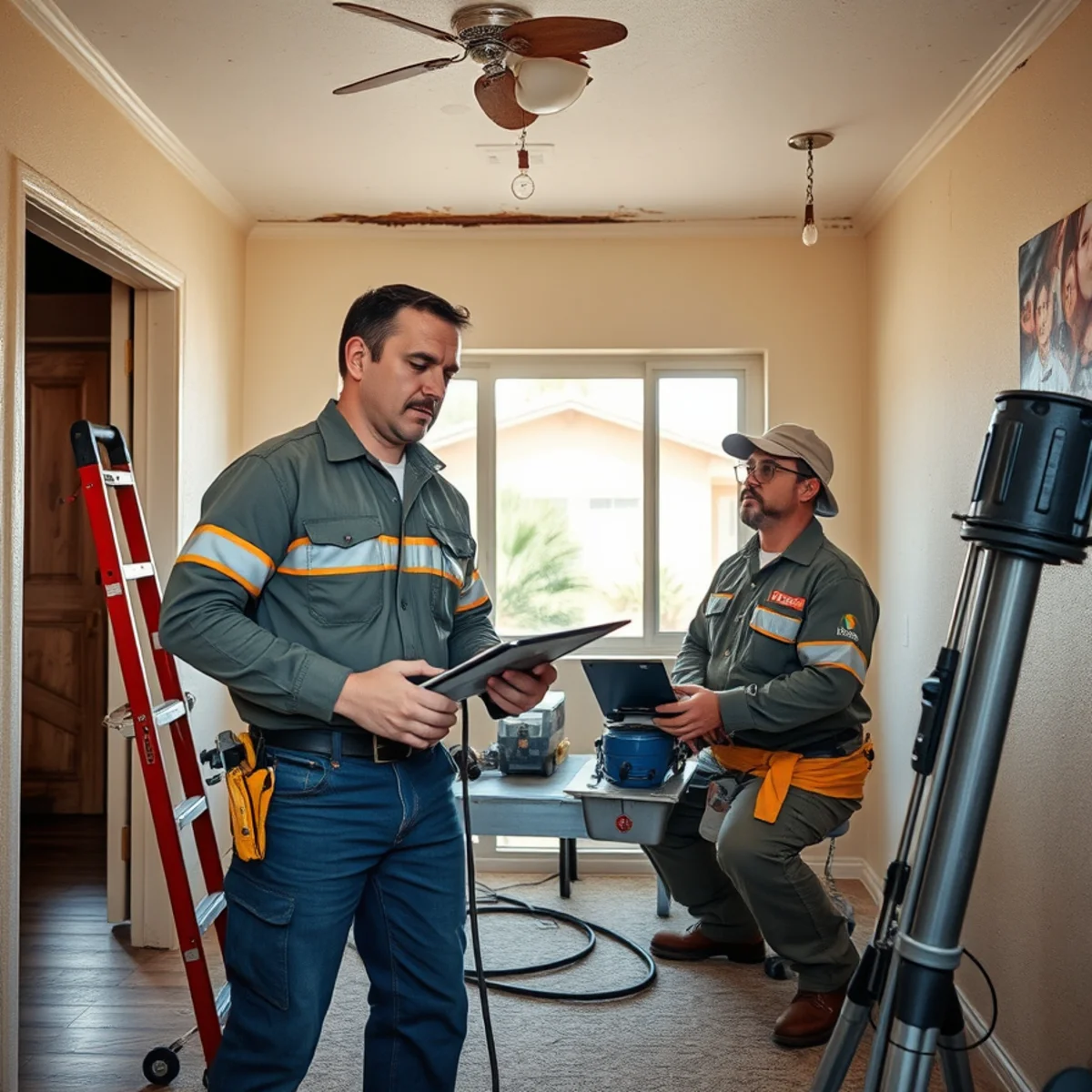
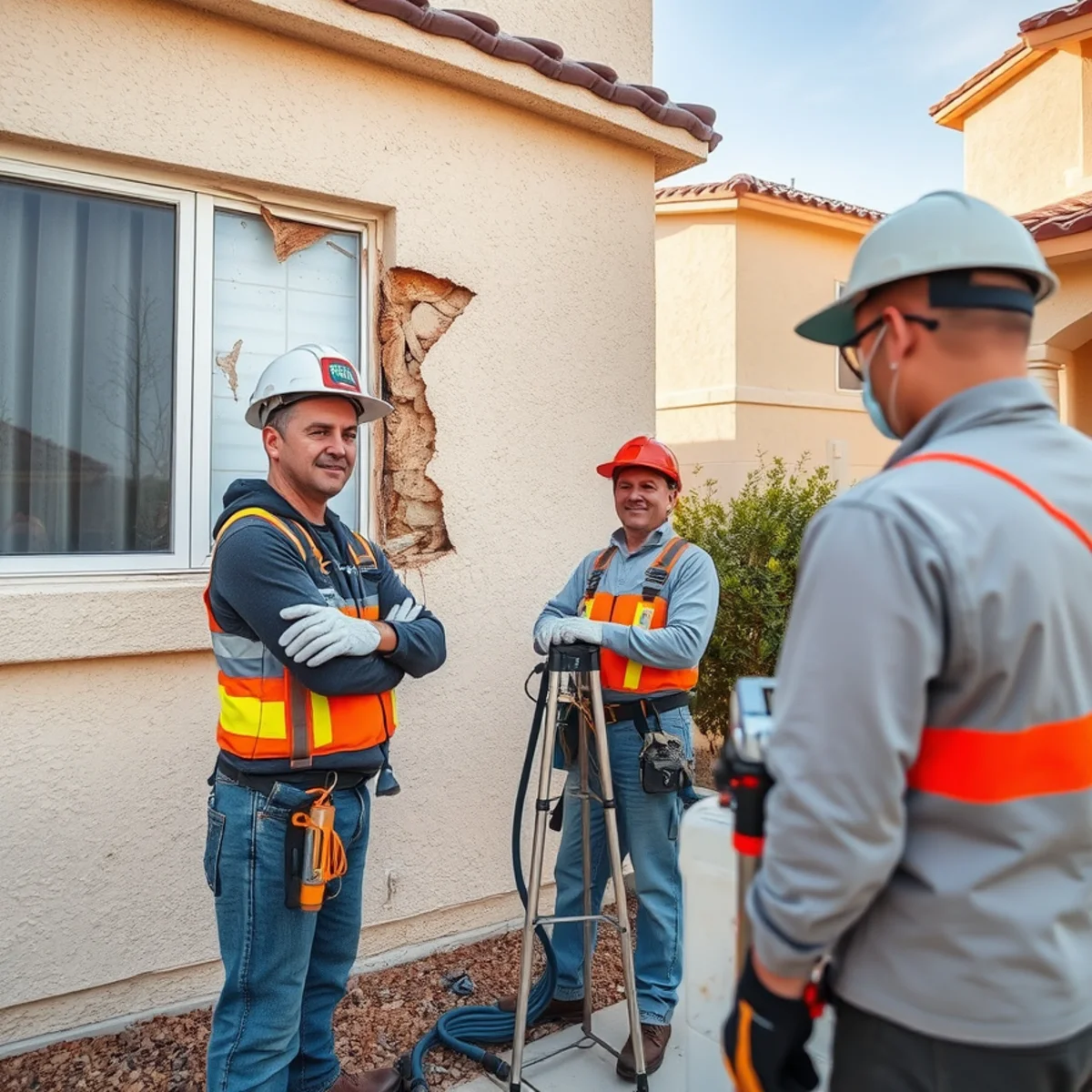
In a condo or townhome, water rarely respects property lines. A leak that starts above you ends up on your ceiling; a slab leak under your unit can affect a shared wall. That is why water damage in an HOA community raises a question single-family owners never face: is this the association's responsibility or mine? In California, the answer lives in your governing documents — and knowing the general framework helps you act fast when The Colony or any Murrieta community springs a leak.
General information, not legal advice
This article outlines how California HOA and condo water damage responsibility usually works. It is not legal advice, and your CC&Rs and bylaws control your specific situation. Review your governing documents and, when in doubt, consult your association's attorney.
The key idea: where does the responsibility line fall?
Most condo arrangements divide the property into common areas, which the HOA maintains, and the individual units, which owners maintain. The dividing line is usually described in the CC&Rs — the recorded covenants, conditions, and restrictions — and it often follows a walls-in concept: the association is responsible for the building structure and the exterior up to the drywall surface, and the owner is responsible for everything inside, from the paint in. But the exact line varies from community to community, which is why two condos can handle the same leak differently. Your CC&Rs are the authority, not the general rule.
What the HOA usually handles
The association typically maintains and insures the common and structural elements:
- The roof, exterior walls, and building envelope.
- Common-area plumbing and pipes that serve multiple units.
- Structural framing and, often, the drywall surface as the dividing line.
- The master insurance policy covering the building structure, subject to its terms and deductible.
What the unit owner usually handles
The owner is generally responsible for the interior of their unit and their belongings:
- Interior finishes — paint, flooring, cabinets, and fixtures inside the unit.
- Plumbing that serves only their unit, in many CC&R arrangements.
- Personal property and furnishings, through an individual condo owner (HO-6) policy.
- The HO-6 policy's role in covering interior improvements and the association's deductible when it is passed through.
The gray areas that cause disputes
Most HOA water fights happen in the in-between. When a pipe inside a shared wall leaks, is it common or unit plumbing? When water from an upstairs unit damages the unit below, whose insurance responds — the source owner's, the affected owner's, or the association's? These questions turn on the specific language in the CC&Rs, on who was at fault, and on how the master and individual policies are written. There is often no single obvious answer, which is exactly why documentation and prompt action matter so much: they preserve everyone's options while the responsibility gets sorted out.
Read your CC&Rs before you need them
The single best thing a unit owner or board member can do is read the maintenance and insurance sections of the CC&Rs before a leak happens. Knowing where your responsibility ends and the HOA's begins saves days of confusion mid-emergency. This is general information, not legal advice.
What to do first when water appears
Whoever ultimately pays, the immediate steps are the same, and speed protects everyone:
- Stop the source if you safely can, and if the water is coming from another unit, alert that owner and the HOA immediately.
- Protect people and move belongings out of the water.
- Notify the HOA or property management right away, in writing, so the association is on record and can act on common elements.
- Photograph and video everything before cleanup — the source if visible, the standing water, and all damage.
- Call for emergency mitigation; extraction and drying cannot wait for the responsibility question to be resolved.
- Open claims as appropriate — your HO-6 policy and, through the board or manager, the master policy.
Carry an HO-6 policy
Every condo owner should have an individual HO-6 policy. The HOA's master policy usually stops at the structure, leaving your interior finishes, belongings, and the master deductible to you. An HO-6 fills exactly that gap — and it is inexpensive relative to what it covers.
Water damage right now? Don't wait.
45-minute average dispatch across Murrieta • available 24/7 • licensed & insured
Watch the master policy deductible
One number surprises condo owners more than any other: the master policy deductible. HOA master policies increasingly carry large deductibles — sometimes tens of thousands of dollars — and many CC&Rs allow the association to pass that deductible on to the unit owner whose unit was the source of the loss, or to divide it among the affected owners. That means even when the master policy technically responds to a claim, you can be on the hook for a big chunk before it pays a dime. This is the single strongest argument for an HO-6 policy that specifically includes loss-assessment and deductible coverage. Ask your agent to confirm your HO-6 would cover the master deductible, and ask your board what that deductible currently is — the answer often prompts owners to raise their own limits before anything ever goes wrong.
Getting it dried right in a shared building
Drying a condo is trickier than drying a standalone house, because water and moisture cross into shared walls, ceilings, and neighboring units. Doing it right means finding all the moisture — including what migrated next door — and drying the whole affected assembly, not just one unit's side. Our Murrieta team provides residential water damage restoration in condo and townhome communities, coordinates access with owners and the HOA, and documents thoroughly for every policy involved. Because trapped moisture in shared cavities can lead to mold remediation if it is missed, we follow IICRC S500 standards and confirm the structure is dry before we finish. We serve The Colony, Greer Ranch, and communities across Murrieta. When water crosses a unit line, 24/7 emergency water removal is the first call — call our 24/7 team for water damage restoration in Murrieta.
Frequently Asked Questions
It depends on your CC&Rs. As a general pattern, the HOA handles the structure and common-area plumbing while the owner handles interior finishes and belongings, often following a walls-in dividing line. Fault and insurance terms also matter. This is general information, not legal advice — your governing documents control.
An HO-6 is an individual condo owner's insurance policy that covers your interior improvements, personal belongings, and often the HOA master policy's deductible. Because the master policy usually stops at the building structure, an HO-6 fills the gap and is strongly recommended for every condo owner.
This is a common gray area. Depending on the CC&Rs, fault, and the policies involved, responsibility may fall on the upstairs owner, your own HO-6 policy, or the association. Document everything, notify the HOA promptly, and start mitigation immediately while the responsibility is sorted out.
Stop the source if safe, alert the neighboring unit and the HOA if the water is coming from elsewhere, and notify management in writing. Photograph the damage, then call for emergency extraction and drying. Fast mitigation protects everyone regardless of who ultimately pays.
Written & reviewed by the Water Damage Restoration Murrieta team
IICRC-certified, licensed & insured water damage restoration professionals serving Murrieta and southwest Riverside County. Questions about your situation? Call (201) 277-9344 — we answer 24/7.
Serving these areas: